
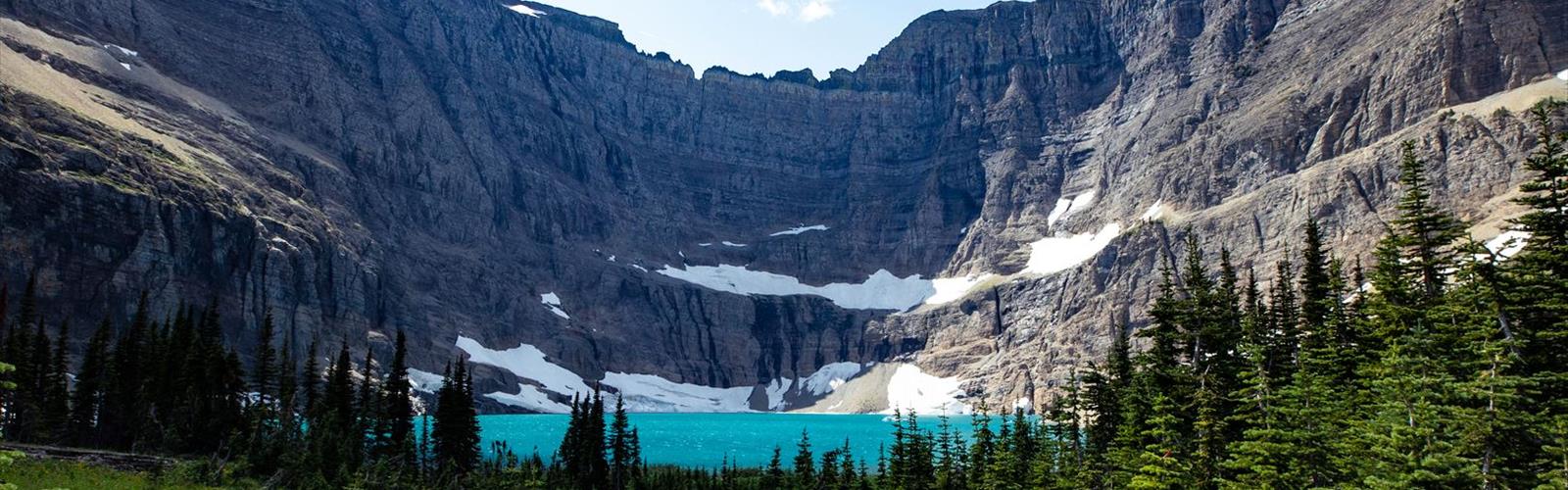

Ready to explore Iceberg lake? Here's everything you need to know before you go!
Discover the trail
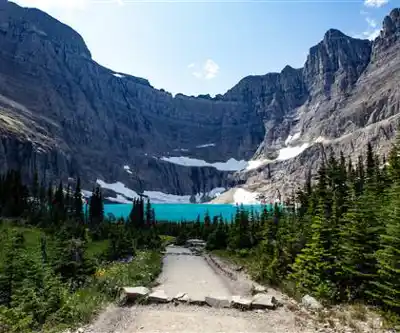
Trail description
Iceberg Lake sits tucked away in the Coast Mountains near Whistler, offering one of the most striking alpine destinations accessible as a day hike in British Columbia. The lake earns its name from the small chunks of ice that drift across its surface—remnants of ancient glaciers that carved this high mountain basin. What makes this destination particularly compelling is the contrast between the lake's brilliant turquoise waters and the dramatic rocky peaks that rise directly from its shores.
The 7-kilometer trail climbs 865 meters through distinctly different mountain environments, taking most hikers 6 to 8 hours to complete the round trip. This makes it a moderately challenging hike that rewards your effort with some of the most photogenic alpine scenery in the Vancouver Coast Mountains region.
The Trail Experience
Starting from the trailhead near Whistler, the path initially winds through dense coastal forest where towering conifers create a cool, shaded corridor. The forest floor here stays relatively soft underfoot, making for comfortable hiking as you begin the steady climb. As you gain elevation, the character of the landscape shifts dramatically.
The middle section of the trail breaks out of the forest into expansive alpine meadows. During summer months, these meadows explode with wildflowers—lupines, Indian paintbrush, and mountain asters create vibrant patches of color against the green grass. The terrain becomes rockier here, and the trail may cross several small streams fed by snowmelt from the peaks above.
The final approach to Iceberg Lake involves navigating through more rugged terrain where the trail picks its way between boulders and across exposed rock slabs. This section offers increasingly dramatic views of the surrounding peaks and valleys, building anticipation for the lake itself.
At the Lake
Iceberg Lake sits in a classic glacial cirque, surrounded on three sides by steep mountain walls that rise hundreds of meters directly from the water's edge. The lake's famous turquoise color comes from glacial flour—fine rock particles suspended in the water that scatter light in distinctive ways. On calm days, the surface acts like a mirror, perfectly reflecting the surrounding peaks and any floating ice chunks.
The shoreline offers several excellent spots for rest and photography. Rocky outcrops provide natural seating areas where you can spread out a picnic while taking in the alpine scenery. The lake's perimeter can be partially explored, though some sections require careful scrambling over loose rock.
The floating ice pieces that give the lake its name vary dramatically depending on conditions and season. Early in the hiking season, you might see substantial chunks, while later in summer, only small fragments may remain. Even without ice, the lake's setting remains spectacular.
Wildlife and Natural Features
The diverse elevation zones along this trail support a variety of mountain wildlife. Hoary marmots are commonly spotted in the alpine meadows, their sharp whistles often echoing across the landscape as they warn of approaching hikers. Mountain goats occasionally appear on the steep slopes above the lake, their white coats standing out against the dark rock.
Black bears use this area, particularly during berry season in late summer. They're typically more interested in foraging than confronting hikers, but proper food storage and awareness remain important throughout your visit.
The trail also showcases the dramatic geological forces that shaped this region. The U-shaped valley profile clearly shows glacial carving, while the polished rock surfaces near the lake demonstrate the power of moving ice. The contrast between the ancient, weathered peaks and the relatively young glacial features creates a landscape that tells the story of thousands of years of mountain building and erosion.
Planning Your Visit
Late June through early September provides the most reliable access to Iceberg Lake. Snow typically blocks the higher elevations well into June, while early autumn storms can bring new snow that makes the trail treacherous. July and August offer the warmest conditions and the best wildflower displays in the alpine meadows.
The 865-meter elevation gain demands proper preparation. Sturdy hiking boots with good ankle support are essential, as the trail includes loose rock, stream crossings, and potentially slippery conditions near the lake. Weather in the mountains can change rapidly, so layered clothing allows you to adjust as conditions shift from the cool forest to exposed alpine terrain.
Water sources exist along the trail, but carrying sufficient water for the 6 to 8-hour journey ensures you stay properly hydrated during the sustained climb. The alpine environment offers little shade, making sun protection crucial during clear weather.
Given the trail's length and elevation gain, starting early in the day helps ensure you complete the hike with plenty of daylight. The exposed sections can become particularly challenging if weather deteriorates, so checking current mountain conditions before departing is always wise.
This trail exemplifies what makes the Coast Mountains special—the combination of accessible starting points near major population centers with genuinely wild alpine terrain that feels completely removed from civilization. The contrast between Whistler's developed valley floor and the pristine mountain environment surrounding Iceberg Lake creates an adventure that satisfies both convenience and wilderness experience.
The Essential Hiking Checklist
Everything you need for your next hike. Bilingual, printable, 1 page.
Get your free hiking checklistRecommended gear for this trail
As an Amazon Associate I earn from qualifying purchases.


Ready to go?
Everything you need to know before you goStarting Point
The iceberg lake trailhead is located in the Kootenay National Park, British Columbia. To get there, take Highway 93 south from Radium Hot Springs for about 33 km until you reach the park boundary. The trailhead is well marked and there is a large parking area.
When?
How much?
As an Amazon Associate I earn from qualifying purchases.
Affiliate links — LGPO may earn a commission at no extra cost to you.
- Hiking shoes Essential
- → Salomon Elixir Tour Mid WP · 203.38 $
- Layered clothing Essential
- Rain jacket Essential
- Trekking poles
- → Black Diamond Trail Ergo Cork · 69.99 $
- Headlamp
- → Petzl Actik Core 625 · 103.95 $
FAQ - Frequently asked questions
Everything you need to knowSimilar hikes nearby
Discover other trails you might enjoy
Bridle Path
Vancouver Coast Mountains
Flora Lake
Vancouver Coast Mountains

Alouette Mountain
Vancouver Coast Mountains
Williamson Lake
Vancouver Coast Mountains
Brandywine Mountain
Vancouver Coast Mountains

Coliseum Mountain
Vancouver Coast Mountains
Hiking near Whistler
160 trails to explore ~45 km away
We work hard to provide the most up-to-date and error-free data possible. If something seems incorrect, let us know! Your contribution helps the whole community.
Hikers' opinions
Be the first to review!
No hiker has shared their experience yet. Share your impressions and help other hikers!