
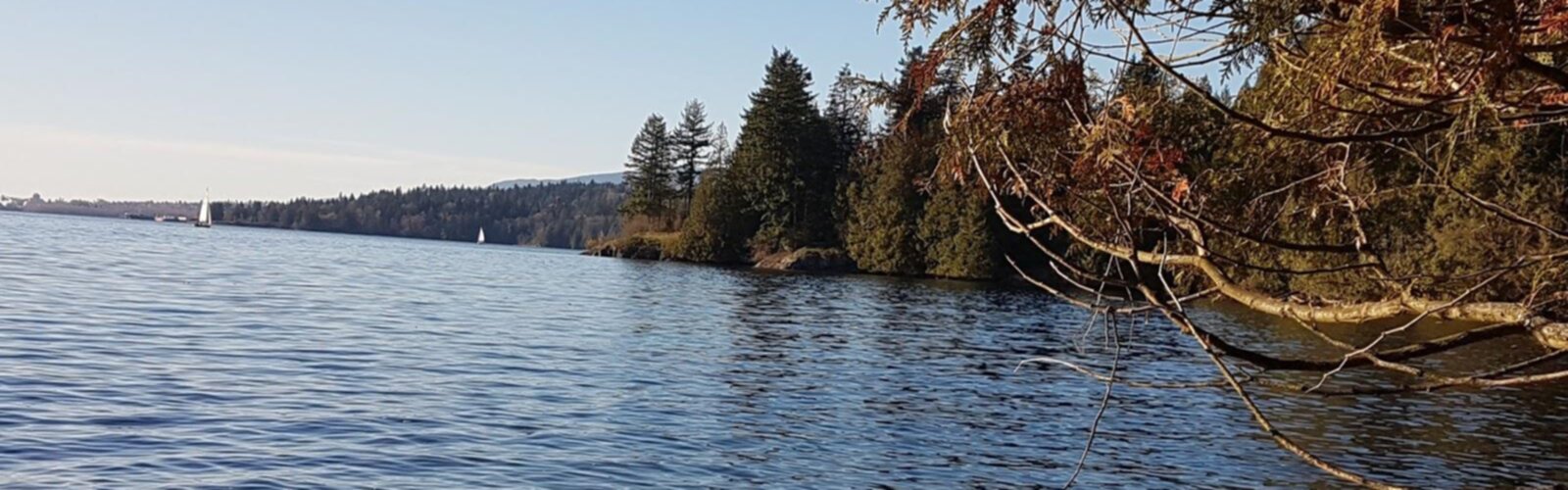

Ready to explore Jug Island Trailhead? Here's everything you need to know before you go!
Discover the trail
Trail description
The Jug Island Trailhead sits quietly within Belcarra Regional Park, offering one of the most rewarding short hikes in the Vancouver Coast Mountains. This easy trail delivers exactly what day hikers want: accessible wilderness, varied terrain, and a spectacular payoff at the end.
The trail strikes an ideal balance for hikers looking for more than a casual stroll but less than a full-day commitment. Most people complete the hike in about an hour and fifteen minutes, making it perfect for morning adventures that leave your afternoon free, or relaxed afternoon outings that end with sunset views over Indian Arm.
The Trail Experience
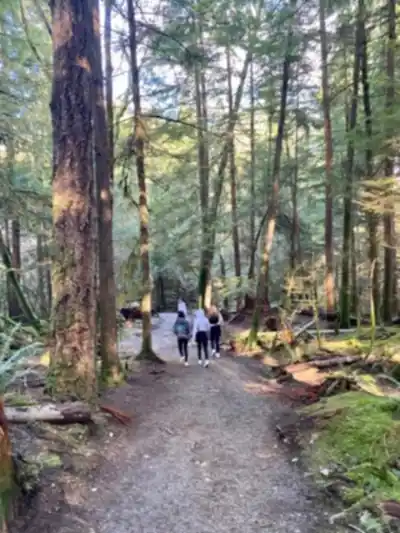
From the moment you leave the trailhead, you're walking through classic coastal British Columbia forest. Towering Douglas firs and western red cedars create a natural cathedral overhead, their massive trunks and dense canopy filtering sunlight into dappled patterns on the forest floor. The well-marked path makes navigation straightforward, allowing you to focus on the surroundings rather than worrying about getting lost.
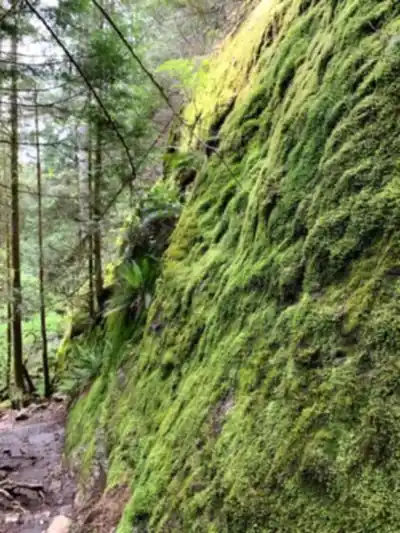
The terrain keeps things interesting without becoming intimidating. You'll encounter gentle inclines that get your heart rate up without leaving you gasping, interspersed with rocky sections that require a bit more attention to foot placement. These varied conditions make the trail feel dynamic—you're constantly moving through different micro-environments as the path winds through the forest.
The easy difficulty rating makes this trail accessible to most hikers. Beginners with basic fitness will find it manageable and confidence-building, while experienced hikers can use it as a quick workout or warm-up for bigger adventures. The rocky sections aren't technical scrambling, but they do require sturdy footwear and a bit of care, especially when wet.
Forest Environment and Wildlife
Keep your eyes open for black-tailed deer, which are commonly spotted along this trail. They're often surprisingly tolerant of hikers, though maintaining respectful distance is important for both your safety and their well-being. The diverse bird life includes species typical of coastal forests, and the mix of habitats along the trail—from dense forest to shoreline—creates opportunities to see different species as you progress.
The forest itself tells the story of the Coast Mountains ecosystem. The massive cedars and firs represent old-growth characteristics, while understory plants create layers of green that change with the seasons. In spring, you'll notice new growth and occasional wildflowers. Summer brings full canopy coverage and lush undergrowth. Fall offers subtle color changes, and winter hiking reveals the forest's structure more clearly.
The sound environment shifts as you move through different sections of trail. Dense forest areas muffle outside noise, creating an intimate atmosphere where you can hear your footsteps on the soft forest floor and the occasional bird call overhead. As you approach the shoreline, the sounds gradually open up to include water lapping against rocks and wind moving through the trees.
Jug Island Beach Destination
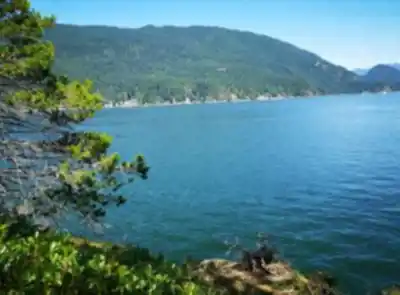
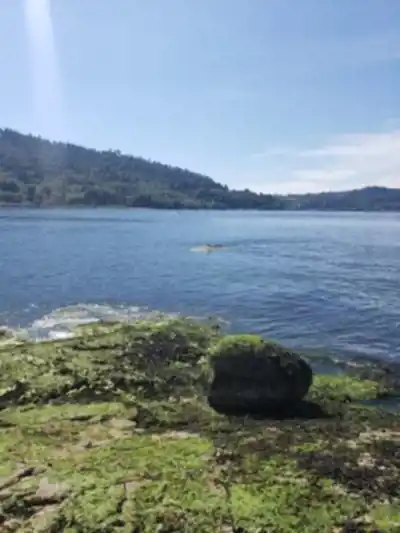
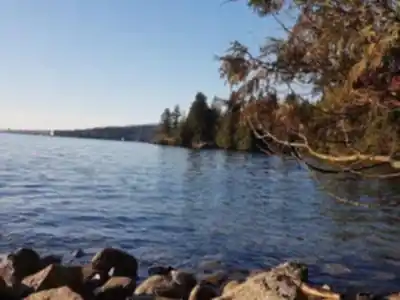
The trail's destination makes every step worthwhile. Jug Island Beach opens up dramatically after the forest hiking, providing stunning views across Indian Arm's calm waters to the small, picturesque Jug Island itself. The contrast between the intimate forest experience and the expansive water views creates a satisfying sense of arrival.
This beach serves as the perfect rest stop and turnaround point. The rocky shoreline provides comfortable spots to sit and take in the scenery, while the protected waters of Indian Arm create a peaceful atmosphere that feels removed from urban life despite being relatively close to Vancouver. Many hikers plan their timing to eat lunch here, and the location works equally well for a quick snack break or extended relaxation.
The views extend beyond just Jug Island itself. Indian Arm stretches in both directions, surrounded by forested mountains that showcase the dramatic topography of the Coast Mountains. On clear days, the water reflects the surrounding peaks, creating photo opportunities that capture the essence of British Columbia's coastal wilderness.
Trail Conditions and Seasonal Considerations
The trail maintains its character throughout the year, though each season brings distinct advantages. Summer offers the most predictable conditions with dry trails and warm weather perfect for spending time at the beach destination. The full forest canopy provides welcome shade during warmer months, making this a comfortable choice even on hot days.
Fall hiking reveals changing understory colors and clearer views through the forest as some vegetation dies back. Winter conditions require more preparation but offer the reward of fewer crowds and a different perspective on the coastal forest. The trail remains accessible year-round for properly equipped hikers, though the rocky sections require extra caution when wet or icy.
Spring brings renewed energy to the forest environment, with new growth creating vibrant green colors throughout the understory. This season can be muddy in places, but the sense of renewal and the return of more active wildlife make it particularly rewarding for nature-focused hikers.
Practical Hiking Information
Proper footwear makes a significant difference on this trail. The rocky sections and potentially muddy forest floor require shoes with good traction and ankle support. Hiking boots or sturdy trail runners work well, but avoid smooth-soled shoes or sandals.
Water and snacks are essential, particularly if you plan to spend time at the beach. While the hike isn't extremely long, the beautiful destination often encourages people to take their time and extend their visit. Pack enough supplies to stay comfortable and hydrated throughout your time on the trail and at the beach.
The trail's location within Belcarra Regional Park means it follows Leave No Trace principles. Pack out everything you bring in, stay on designated trails, and avoid disturbing wildlife or vegetation. These practices help preserve the area's natural character for future visitors.
Weather conditions can significantly impact the hiking experience. The forest sections provide some protection from rain, but the rocky areas can become slippery when wet. The beach destination is fully exposed, so consider wind and temperature when planning your visit. The trailhead's accessibility makes it an excellent choice for groups with mixed hiking experience, families with older children, or individuals looking for a satisfying outdoor experience without committing to a full-day adventure.
The Essential Hiking Checklist
Everything you need for your next hike. Bilingual, printable, 1 page.
Get your free hiking checklistRecommended gear for this trail
As an Amazon Associate I earn from qualifying purchases.


Ready to go?
Everything you need to know before you goStarting Point
The easiest way to get to the start of the trails at the jug island trailhead is to drive to Squamish, British Columbia and take the Squamish Valley Road exit off of Highway 99. Follow the signs to the jug island trailhead.
When?
Tuesday: 7:00 AM – 9:00 PM
Wednesday: 7:00 AM – 9:00 PM
Thursday: 7:00 AM – 9:00 PM
Friday: 7:00 AM – 9:00 PM
Saturday: 7:00 AM – 9:00 PM
Sunday: 7:00 AM – 9:00 PM
How much?
As an Amazon Associate I earn from qualifying purchases.
Affiliate links — LGPO may earn a commission at no extra cost to you.
- Hiking shoes Essential
- → Salomon Elixir Tour Mid WP · 203.38 $
- Layered clothing Essential
- Rain jacket Essential
- Trekking poles
- → Black Diamond Trail Ergo Cork · 69.99 $
- Headlamp
- → Petzl Actik Core 625 · 103.95 $
FAQ - Frequently asked questions
Everything you need to knowSimilar hikes nearby
Discover other trails you might enjoy
Bridle Path
Vancouver Coast Mountains
Flora Lake
Vancouver Coast Mountains

Alouette Mountain
Vancouver Coast Mountains
Williamson Lake
Vancouver Coast Mountains
Brandywine Mountain
Vancouver Coast Mountains

Coliseum Mountain
Vancouver Coast Mountains
Hiking near Vancouver
235 trails to explore ~15 km away
We work hard to provide the most up-to-date and error-free data possible. If something seems incorrect, let us know! Your contribution helps the whole community.
Hikers' opinions
Be the first to review!
No hiker has shared their experience yet. Share your impressions and help other hikers!