


Ready to explore Lost Lake? Here's everything you need to know before you go!
Discover the trail
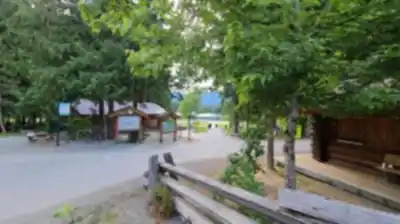
Trail description
Lost Lake sits tucked away in the Vancouver Coast Mountains, offering one of the region's most accessible yet genuinely rewarding hiking experiences. This pristine alpine lake delivers a strong combination of easy terrain and striking mountain scenery, making it a solid destination for seasoned hikers looking for a relaxed day out and newcomers getting their first real taste of Coast Mountain beauty alike.
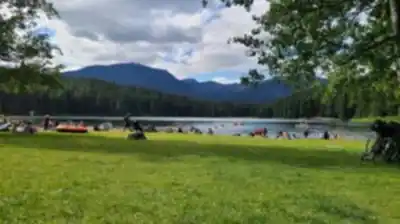
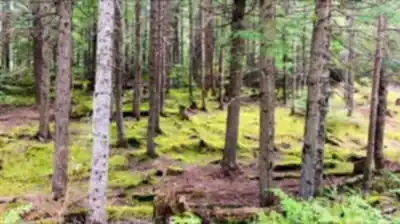
The lake occupies a natural basin surrounded by dense stands of towering evergreens—primarily Douglas fir, western hemlock, and cedar—that create a dramatic backdrop against the jagged peaks rising beyond the shoreline. On clear days, the water acts like a mirror, reflecting the forest canopy and mountain ridges that frame the lake. The setting feels remarkably secluded despite being relatively easy to reach, giving you that coveted sense of wilderness escape without requiring technical skills or extensive backcountry experience.
The Main Loop Trail
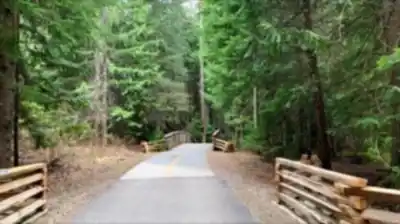
The primary trail around Lost Lake forms a gentle loop that takes most hikers about 1.5 to 2 hours to complete at a comfortable pace. The path stays well-maintained throughout the season, with a packed dirt and gravel surface that handles foot traffic well even after rain. Elevation change is minimal as you circle the lake, making this an ideal choice for families with children, older hikers, or anyone easing back into outdoor activity.
Starting from the main access point, the trail opens up views across the water almost immediately. The western shore offers the most dramatic vistas, where you can look straight across to the mountain walls that define this valley. As you continue around the loop, the path alternates between lakeside openings and deeper forest sections, creating a nice variety of scenery and light throughout your walk.
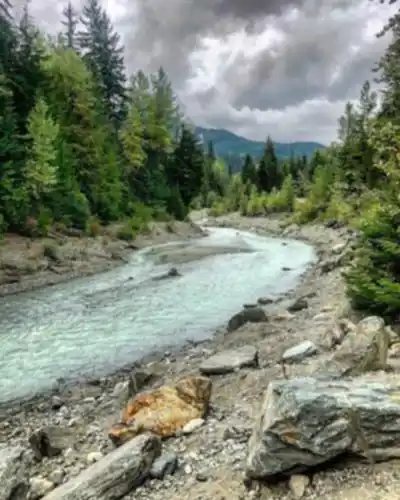
The trail surface stays relatively smooth, though you'll navigate some root sections and occasional rocky patches—nothing that demands special footwear beyond basic hiking shoes or sturdy sneakers. Several wooden bridges cross small creeks that feed into the lake, and these spots make natural stopping points for photos or a quick break.
Extended Hiking Options
For hikers wanting more distance and elevation, connecting trails branch off from the main loop and lead deeper into the Coast Mountain wilderness. These secondary paths climb more aggressively and venture into terrain that demands better fitness and solid navigation skills. The connecting routes open up access to higher elevation viewpoints, additional alpine lakes, and more remote sections of the range where foot traffic thins out considerably.
These extension trails feature steeper grades, more technical footing with loose rock and root obstacles, and less consistent trail marking. If you're planning to push beyond the main loop, bring proper hiking boots, extra water, and basic navigation tools—these routes can become disorienting in poor weather or low visibility.
Wildlife and Natural Features
Lost Lake supports a healthy mix of local wildlife that you're likely to encounter during your visit. Deer frequently graze in the meadow areas near the shoreline, particularly during early morning and evening hours. The surrounding forest hosts a variety of bird species, including Steller's jays, woodpeckers, and ravens. Smaller mammals like chipmunks and squirrels are consistently active along the trail corridor.
Maintain appropriate distance from all animals and never attempt to feed them. The lake ecosystem also supports fish populations—check current regulations before bringing gear, as fishing rules apply.
Swimming and Water Activities
During summer months, Lost Lake draws swimmers thanks to its relatively warm water and designated swimming areas along the shoreline. Several spots feature sandy or pebbly beaches where you can safely enter the water after your hike. Water temperatures stay refreshing even at peak summer, so expect a bracing dip rather than a warm soak.
The swimming areas are clearly marked and offer gradual depth increases with stable footing—well-suited for families with kids who want to play near the water. The combination of hiking and swimming makes Lost Lake a particularly strong choice on hot summer days.
Winter Use
Lost Lake shifts completely in winter, offering solid snowshoeing and cross-country skiing when snow conditions allow. The main loop trail becomes a different experience entirely, with snow-laden trees transforming the aesthetic from the summer version. The same gentle terrain that makes summer hiking so accessible translates well to winter sports, providing good conditions for beginners learning to snowshoe or ski.
Winter visitors should arrive prepared with appropriate gear including traction devices, warm layering, and emergency supplies—mountain weather can change quickly. Shorter daylight hours also mean earlier starts are worth planning for.
Planning Your Visit
The full hiking experience at Lost Lake covers 8 kilometers with 305 meters of elevation gain, rated Easy with an estimated time of 3 hours 30 minutes. The relatively short main loop makes it well-suited for a half-day outing, leaving time for swimming, photography, or simply sitting by the water. If you're planning to camp in the area, established campgrounds provide access to the trailhead with the amenities needed for comfortable overnight stays.
The lake draws visitors year-round, though summer and early fall see the heaviest use. Spring visits can be rewarding as wildlife becomes more active, though trail conditions may be muddy from snowmelt. Late fall brings strong autumn color but requires preparation for wet and cold conditions.
Following Leave No Trace principles keeps Lost Lake in good shape for everyone who comes after you—pack out all trash, stay on designated trails, observe wildlife from a distance, and camp only in established areas where permitted.
Recommended gear for this trail
As an Amazon Associate I earn from qualifying purchases.


Ready to go?
Everything you need to know before you goStarting Point
To access the hiking trails, you can start from several trailheads. One option is to head to the parking lot located at 1234 lost lake Road, which provides direct access to the trails. Another starting point is at 5678 Mountain View Drive, where additional parking and trail access are available. Both locations offer convenient entry points for exploring the area.
When?
How much?
As an Amazon Associate I earn from qualifying purchases.
Affiliate links — LGPO may earn a commission at no extra cost to you.
- Hiking shoes Essential
- → Salomon Elixir Tour Mid WP · 203.38 $
- Layered clothing Essential
- Rain jacket Essential
- Trekking poles
- → Black Diamond Trail Ergo Cork · 69.99 $
- Headlamp
- → Petzl Actik Core 625 · 103.95 $
FAQ - Frequently asked questions
Everything you need to know
25 hikes under 2 hours from Montreal
Distance, elevation, parking and season for each one. The ones we go back to ourselves.
Get the guideSimilar hikes nearby
Discover other trails you might enjoy
Bridle Path
Vancouver Coast Mountains
Flora Lake
Vancouver Coast Mountains

Alouette Mountain
Vancouver Coast Mountains
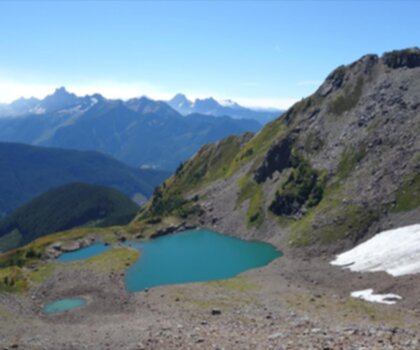
Williamson Lake
Vancouver Coast Mountains
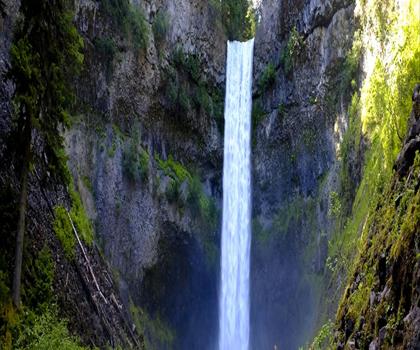
Brandywine Mountain
Vancouver Coast Mountains

Coliseum Mountain
Vancouver Coast Mountains
Hiking near Whistler
160 trails to explore ~2 km away
We work hard to provide the most up-to-date and error-free data possible. If something seems incorrect, let us know! Your contribution helps the whole community.
Hikers' opinions
Be the first to review!
No hiker has shared their experience yet. Share your impressions and help other hikers!