


Ready to explore Mission Ridge Park? Here's everything you need to know before you go!
Discover the trail
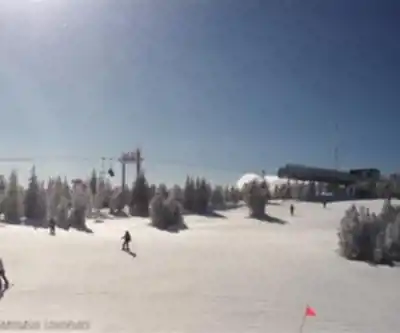
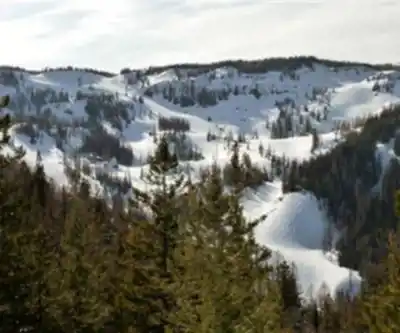
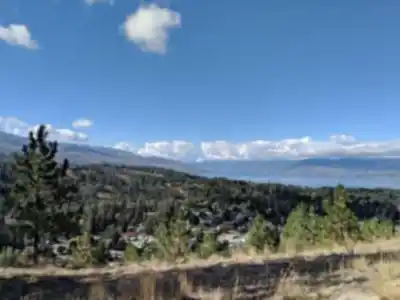
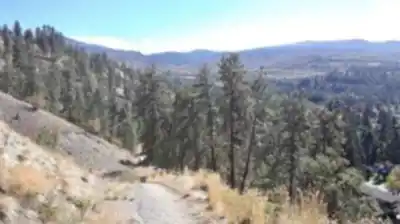
Trail description
Description
Mission Ridge Park stands as one of British Columbia's most demanding yet rewarding hiking destinations, offering a true test of endurance in the Vancouver Coast Mountains. This 217-kilometer trek with 2,079 meters of elevation gain represents a serious multi-day commitment that attracts experienced hikers seeking an epic wilderness adventure. The park's remote location and challenging terrain create an immersive backcountry experience far from the crowds of more accessible trails.
The Challenge Ahead
Make no mistake—this is a very hard hike that requires approximately 15 days to complete. The substantial distance and significant elevation gain demand excellent physical conditioning, extensive backcountry experience, and meticulous planning. The well-marked trails provide navigation confidence across varied terrain, from dense coastal forests to exposed ridgelines where weather conditions can change rapidly. Hikers traverse through multiple ecosystems, each presenting unique challenges and rewards as the trail winds through British Columbia's diverse landscape.
The elevation profile creates a series of demanding ascents and descents that test even seasoned trekkers. Early sections wind through lush temperate rainforest where towering evergreens create a cathedral-like canopy overhead. As you gain elevation, the forest gradually transitions to subalpine meadows dotted with vibrant wildflowers during the growing season. The highest sections expose hikers to alpine conditions where weather protection becomes critical.
Wildlife and Natural Features
The extended journey through Mission Ridge Park provides exceptional opportunities to observe British Columbia's diverse wildlife in their natural habitat. Deer frequently appear along forest sections, while the varied bird life includes both forest species and high-altitude residents. The park's remote nature increases chances of wildlife encounters, making proper food storage and bear safety protocols essential throughout the trek.
The rich tapestry of flora changes dramatically with elevation and season. Lower elevations showcase the region's characteristic coastal forest ecosystem with massive conifers, ferns, and moss-covered understory. Mid-elevation zones burst with seasonal wildflower displays, while higher reaches reveal hardy alpine plants adapted to harsh mountain conditions. This botanical diversity creates constantly changing scenery that helps break up the long days on trail.
Panoramic Rewards
The park's stunning vistas justify every challenging step, with sweeping views of British Columbia's majestic Coast Mountains unfolding as you gain elevation. Multiple viewpoints along the route provide opportunities to rest and appreciate the vast wilderness stretching in every direction. These scenic overlooks offer perfect spots for photography and contemplation, though weather conditions at elevation can limit visibility on some days.
The most spectacular views typically occur during the higher elevation sections where the trail breaks above treeline. On clear days, the panoramic vistas extend across multiple mountain ranges, revealing the true scale of British Columbia's wilderness. These moments of visual reward provide powerful motivation during the more grueling sections of the trek.
Seasonal Considerations and Planning
Mission Ridge Park remains accessible year-round, but each season presents dramatically different conditions that significantly impact the hiking experience. Summer offers the most favorable weather windows, with longer daylight hours and generally stable conditions, though afternoon thunderstorms remain possible at higher elevations. Spring brings wildflower displays but also unpredictable weather and potential snow at elevation.
Autumn transforms the landscape with vibrant foliage, particularly striking in the deciduous sections, but shorter days and increased precipitation require adjusted planning. Winter conditions create a completely different challenge, with snow-dusted landscapes offering stunning beauty alongside serious technical demands. Winter travel requires specialized equipment, advanced skills, and careful weather monitoring.
The 15-day duration demands careful resupply planning, whether through pre-positioned caches, arranged drops, or strategic exit points for resupply runs. Water sources exist along the route, but their reliability varies seasonally, making water treatment capability essential. Weather protection becomes critical given the extended exposure and elevation changes throughout the trek.
Essential Preparation
Success on this demanding route requires extensive preparation beyond typical day hiking gear. Multi-day backpacking equipment including shelter, sleeping systems, and cooking gear forms the foundation, but the extended duration and challenging terrain demand careful gear selection to balance functionality with weight considerations. Navigation tools remain important despite well-marked trails, as weather conditions can reduce visibility significantly.
Physical preparation should begin months in advance, focusing on building endurance for consecutive long days with heavy packs. Mental preparation proves equally important, as the extended duration and physical demands test psychological resilience alongside physical capabilities. Previous multi-day backpacking experience in challenging terrain provides valuable preparation for the unique demands of this route.
Trail condition information becomes crucial given the route's length and commitment level. Weather forecasts require careful monitoring, particularly for the higher elevation sections where conditions can deteriorate rapidly. Emergency planning takes on added importance given the remote location and extended duration, including communication plans and potential evacuation routes.
Mission Ridge Park offers an uncompromising wilderness experience that rewards prepared hikers with an unforgettable journey through some of British Columbia's most spectacular mountain terrain. The combination of physical challenge, natural beauty, and remote wilderness character creates memories that justify the substantial commitment required to complete this remarkable trek.
Recommended gear for this trail


Ready to go?
Everything you need to know before you goStarting Point
The easiest way to get to the start of the trails at the mission ridge park is to drive there.
When?
Tuesday: 6:00 AM – 11:00 PM
Wednesday: 6:00 AM – 11:00 PM
Thursday: 6:00 AM – 11:00 PM
Friday: 6:00 AM – 11:00 PM
Saturday: 6:00 AM – 11:00 PM
Sunday: 6:00 AM – 11:00 PM
How much?
- Hiking shoes Essential
- → Salomon Elixir Tour Mid WP · 203.38 $
- Layered clothing Essential
- Rain jacket Essential
- Trekking poles
- → Black Diamond Trail Ergo Cork · 69.99 $
- Headlamp
- → Petzl Actik Core 625 · 103.95 $
FAQ - Frequently asked questions
Everything you need to know
25 hikes under 2 hours from Montreal
Distance, elevation, parking and season for each one. The ones we go back to ourselves.
Get the guideSimilar hikes nearby
Discover other trails you might enjoy

Bridle Path
Vancouver Coast Mountains
Flora Lake
Vancouver Coast Mountains

Alouette Mountain
Vancouver Coast Mountains
Williamson Lake
Vancouver Coast Mountains
Brandywine Mountain
Vancouver Coast Mountains

Coliseum Mountain
Vancouver Coast Mountains
Hiking near Kelowna
45 trails to explore ~8 km away
We work hard to provide the most up-to-date and error-free data possible. If something seems incorrect, let us know! Your contribution helps the whole community.
Hikers' opinions