


Ready to explore Pacific Spirit Regional Park? Here's everything you need to know before you go!
Discover the trail

Trail description
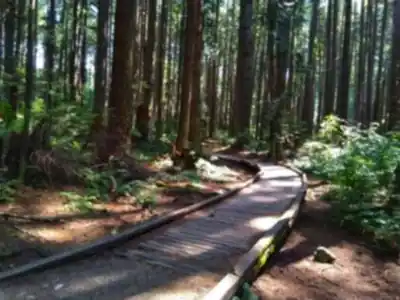
Pacific Spirit Regional Park sprawls across 750 hectares of temperate rainforest between Vancouver's urban core and the Pacific Ocean, creating an unexpected wilderness sanctuary within one of Canada's largest metropolitan areas. This isn't your typical city park—it's a genuine forest ecosystem where towering old-growth trees, intricate trail networks, and diverse wildlife populations thrive just minutes from downtown Vancouver.
The park sits on traditional territories of the Musqueam people, occupying the forested peninsula that separates the Fraser River from English Bay. Its location between the University of British Columbia campus and the residential neighborhoods of Kerrisdale and Dunbar makes it remarkably accessible, yet once you step onto the forest trails, the city noise fades into the whisper of wind through cedar boughs.
Trail Network and Terrain
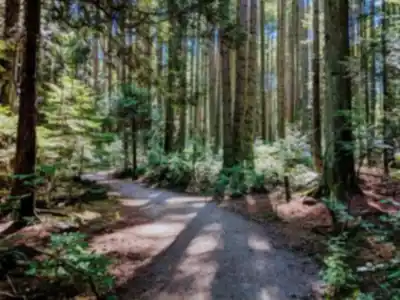
The park's extensive trail system weaves through varied terrain that showcases the best of British Columbia's coastal forest ecosystem. With 73 kilometers of trails threading through the forest, you'll find everything from wide, gravel paths suitable for casual walkers to narrower dirt tracks that feel more remote and wild. The network accommodates all hiking levels—families with young children can stick to the broader, flatter routes, while those seeking more challenge can explore the hillier sections that offer modest elevation changes up to 100 meters.
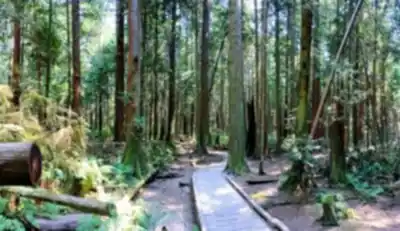
Well-maintained paths wind through dense stands of Douglas fir and western red cedar, some reaching impressive heights that create a cathedral-like canopy overhead. The forest floor beneath these giants supports a lush understory of sword ferns, salal, and Oregon grape, with seasonal wildflowers adding splashes of color throughout the growing season. Most trails are well-marked at intersections, though the sheer number of connecting paths means carrying a trail map is wise for first-time visitors.
The park's topography includes gentle ridges, small ravines, and seasonal creek beds that add variety to your hiking experience. During wet months, these creeks come alive with the sound of flowing water, while drier periods reveal interesting rock formations and root systems. The terrain never becomes truly steep or dangerous, making this an ideal location for building hiking confidence or enjoying nature without extreme physical demands.
What Makes This Place Special
What sets Pacific Spirit apart from other urban parks is its authentic wilderness character despite being completely surrounded by city. The moment you enter the forest, you're transported into a world that feels genuinely wild. The scale of the old-growth trees creates an almost mystical atmosphere, especially on misty mornings when fog drifts through the canopy.
The park's size allows for real exploration—you can easily spend hours discovering new trail combinations and hidden corners of the forest. Unlike smaller urban green spaces where you're always aware of the city beyond, Pacific Spirit's interior trails offer genuine solitude and the chance to lose yourself in nature. The complexity of the trail network means even regular visitors continue finding new routes and perspectives.
Wildlife and Natural Features
Pacific Spirit Regional Park supports a surprising diversity of wildlife for an urban forest. Black-tailed deer are commonly spotted, especially during early morning or evening visits when they emerge to browse in the more open areas. Coyotes inhabit the park year-round, though they typically avoid human contact and are rarely seen during daylight hours.
Birdwatchers will find plenty to observe, from the distinctive calls of barred owls echoing through the forest to the busy activity of smaller songbirds in the understory. Great blue herons occasionally visit the park's quieter areas, and various woodpecker species can be heard tapping on dead snags throughout the forest. The diverse plant community supports numerous smaller creatures—chipmunks, squirrels, and various insects that form the foundation of the forest's food web.
The forest itself tells the story of Pacific Northwest ecology. Massive Douglas firs, some several centuries old, demonstrate the region's capacity for supporting truly impressive tree growth. Western red cedars add their distinctive fragrance and fibrous bark texture, while understory plants like salmonberry and thimbleberry provide seasonal treats for both wildlife and observant hikers. The interplay between living trees, fallen logs in various stages of decay, and new growth sprouting from nurse logs creates a complex, ever-changing forest environment.
Seasonal Experiences
Each season transforms Pacific Spirit Regional Park into a different hiking destination. Spring brings fresh green growth and wildflower blooms, with trilliums, bleeding hearts, and other native flowers carpeting sunny forest openings. The forest feels alive with new growth and increased bird activity as migrant species return and nesting begins.
Summer offers the most comfortable hiking conditions, with dry trails and warm temperatures filtering through the forest canopy. This is peak season for family visits and longer explorations of the trail network. The dense canopy provides natural air conditioning, making summer hikes pleasant even on hot Vancouver days.
Autumn transforms the park into a showcase of fall colors. While the evergreen conifers remain unchanged, deciduous trees and understory plants burst into brilliant yellows, oranges, and reds. The forest floor becomes carpeted with fallen leaves, creating a satisfying crunch underfoot and releasing the rich scents of decomposition that fuel the forest ecosystem.
Winter hiking reveals the park's structure most clearly, as bare deciduous branches open up views previously hidden by leaves. Rain is frequent during Vancouver's wet season, but the forest canopy provides some protection, and the sound of raindrops on leaves adds to the atmospheric experience. Trails can become muddy, so appropriate footwear becomes essential.
Access and Practical Information
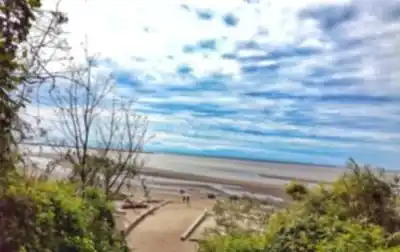
Multiple entry points around the park's perimeter make Pacific Spirit Regional Park easily accessible from various Vancouver neighborhoods. The main entrances include parking areas along 16th Avenue, Spanish Banks, and several points along the park's eastern boundary near the UBC campus. Public transit serves the area well, with several bus routes stopping near park entrances.
The park operates year-round with no admission fees, making it an affordable outdoor recreation option for individuals and families. Trail conditions remain generally good throughout the year, though winter visitors should expect muddy sections and should dress appropriately for wet conditions.
The park's location adjacent to UBC makes it popular with students and researchers, but the extensive trail network means crowding is rarely an issue except on the most popular routes during peak weekend periods. Early morning and weekday visits offer the most solitude and the best wildlife viewing opportunities.
Picnicking opportunities exist at various clearings and rest areas throughout the park, though facilities are minimal—this remains primarily a natural area rather than a developed recreation site. The park's proximity to Vancouver's amenities means supplies and services are readily available nearby, but visitors should come prepared with water and snacks for longer explorations of the trail system.
Recommended gear for this trail
As an Amazon Associate I earn from qualifying purchases.


Ready to go?
Everything you need to know before you goStarting Point
The trails at the pacific spirit regional park in British Columbia can be accessed from several different entrances. The main entrance is located at 16th Avenue and Blanca Street in Vancouver.
When?
Tuesday: 7:00 AM – 5:00 PM
Wednesday: 7:00 AM – 5:00 PM
Thursday: 7:00 AM – 5:00 PM
Friday: 7:00 AM – 5:00 PM
Saturday: 7:00 AM – 5:00 PM
Sunday: 7:00 AM – 5:00 PM
How much?
As an Amazon Associate I earn from qualifying purchases.
Affiliate links — LGPO may earn a commission at no extra cost to you.
- Hiking shoes Essential
- → Salomon Elixir Tour Mid WP · 203.38 $
- Layered clothing Essential
- Rain jacket Essential
- Trekking poles
- → Black Diamond Trail Ergo Cork · 69.99 $
- Headlamp
- → Petzl Actik Core 625 · 103.95 $
FAQ - Frequently asked questions
Everything you need to know
25 hikes under 2 hours from Montreal
Distance, elevation, parking and season for each one. The ones we go back to ourselves.
Get the guideSimilar hikes nearby
Discover other trails you might enjoy
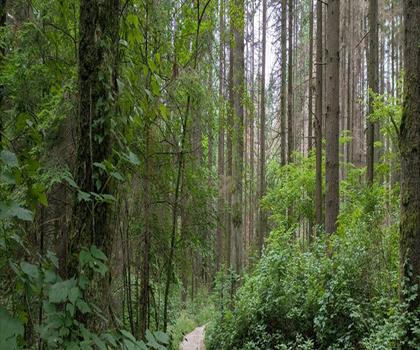
Bridle Path
Vancouver Coast Mountains
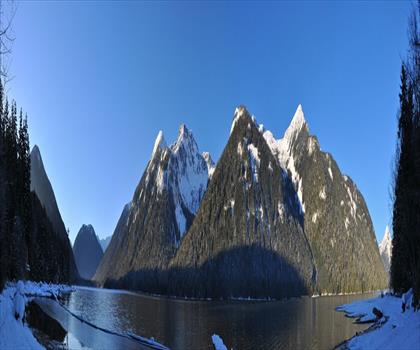
Flora Lake
Vancouver Coast Mountains

Alouette Mountain
Vancouver Coast Mountains
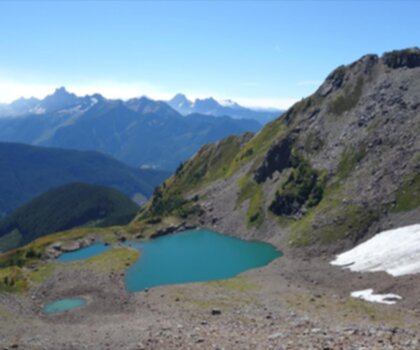
Williamson Lake
Vancouver Coast Mountains
Brandywine Mountain
Vancouver Coast Mountains

Coliseum Mountain
Vancouver Coast Mountains
Hiking near Vancouver
235 trails to explore ~8 km away
We work hard to provide the most up-to-date and error-free data possible. If something seems incorrect, let us know! Your contribution helps the whole community.
Hikers' opinions
Be the first to review!
No hiker has shared their experience yet. Share your impressions and help other hikers!