

Ready to explore Pinecone Burke Provincial Park? Here's everything you need to know before you go!
Discover the trail
Trail description
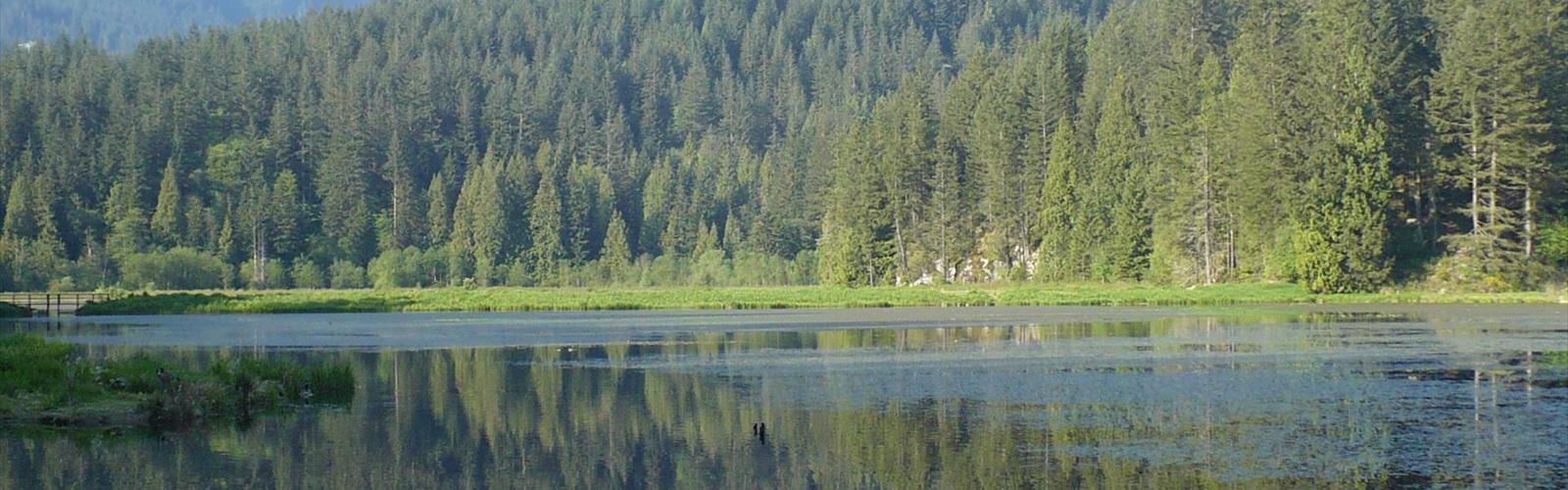
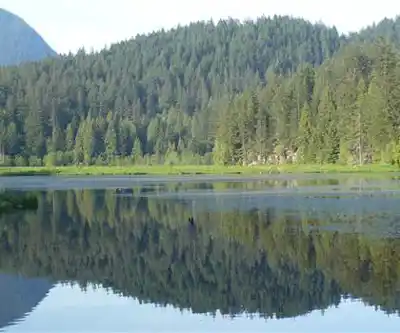
Pinecone Burke Provincial Park covers 38,000 hectares of wilderness just a short drive east of Vancouver, making it one of the most accessible gateways into genuine British Columbia backcountry. Sitting squarely in the Vancouver Coast Mountains, the park delivers a range of experiences that few places this close to a major city can match — from shaded old-growth forest walks to exposed ridgelines with sweeping mountain views.
The landscape shifts noticeably as you move through the park. Down low, dense coastal forest takes over, with towering Douglas firs and western red cedars forming a canopy thick enough to muffle outside noise entirely. The forest floor is carpeted with ferns and moss, and the air carries that distinctive mix of cedar and damp earth that defines the Pacific Northwest. Climb higher and the trees thin out, giving way to rocky slopes, alpine lakes, and waterfalls that drop hard down cliff faces. That range — from cathedral forest to open mountain terrain — is what keeps hikers coming back to Pinecone Burke rather than settling for something closer to the city.
Trail Network and Hiking Options
The park's trail system covers enough ground to keep you busy across multiple visits, with routes suited to different fitness levels and goals. The Woodland Walk Trail is a solid starting point for anyone new to the park or hiking with younger kids. It moves through old-growth sections where the scale of the trees does most of the work — you don't need dramatic elevation gain when the forest itself is this impressive.
The Dilly Dally Loop steps things up considerably. It involves real elevation change and varied terrain, starting in dense forest before climbing into more open zones where views start opening up. The trail surface shifts as you go — soft forest duff, rooted sections, rockier ground higher up — which keeps the experience from feeling monotonous. The payoff at the top is the kind of panoramic view that makes the effort feel well-spent.
The broader trail network links different ecological zones across the park, so a longer day can take you from creek-bottom forest, where you're walking to the sound of running water, all the way up to exposed ridgelines where the full scale of the Coast Range comes into view. That transition is one of the more satisfying things about hiking here — the sense that you've genuinely traveled through different worlds in a single outing.
Wildlife and Natural Features
Pinecone Burke has solid wildlife diversity, and the varied habitats across the park's elevation range are a big reason why. Black bears are present, especially during berry season, so standard bear awareness applies — proper food storage, making noise on the trail, and knowing what to do if you have an encounter. Deer are common throughout the forest corridors and tend to be most visible in the early morning or toward evening. Bobcats also live in these forests, though actually spotting one takes patience and a fair amount of luck.
Birdwatchers will find the mix of old-growth and regenerating forest particularly productive. The different habitat types support a wide range of species, from forest songbirds in the lower elevations to raptors working the thermals above the higher ridges. The park's water features — the waterfalls and creek systems — tend to concentrate wildlife activity and make for good observation spots if you're willing to sit quietly for a few minutes.
Backcountry Camping
Several backcountry camping areas let you extend a day trip into an overnight or multi-day experience. Staying in the park changes the dynamic significantly — you get the quieter hours when wildlife is most active, the evening sounds of the forest settling in, and the early morning mist sitting in the valleys before the day warms up. That kind of immersion is harder to find this close to Vancouver, and it's one of the things that makes Pinecone Burke worth the extra planning.
Backcountry camping here requires solid preparation and a genuine commitment to Leave No Trace principles. The remoteness of these camping areas is part of what makes them worth visiting, and keeping them that way depends on everyone who uses them.
Terrain and What to Expect on the Trail
Lower elevation trails are well-established and manageable for most hikers, though root systems and muddy sections are common, especially after rain. These aren't technical trails, but they reward attention — the forest ecology at this level is complex and interesting if you slow down enough to notice it.
Higher routes are a different story. Steeper grades, rockier surfaces, and more exposed terrain mean you'll want proper footwear and some hiking experience before committing to the upper sections of the park. The effort is worth it — the views and the access to alpine environments justify the climb — but going underprepared is a real risk.
Weather in the park can shift quickly, particularly at elevation. The coastal mountain climate means conditions here often diverge from what Vancouver is seeing, with cooler temperatures and higher precipitation being the norm. Layered clothing and reliable rain gear are worth bringing regardless of what the forecast says when you leave the city.
Getting the Most Out of a Visit
With 25 kilometres of trail and 900 metres of elevation gain available, a full day in Pinecone Burke — roughly 7.5 hours of hiking — gives you enough time to experience the park's range without rushing. The combination of accessible trailheads, genuine wilderness character, and the variety of terrain on offer makes this one of the more complete outdoor destinations in the Vancouver Coast Mountains region.
Whether you're after a straightforward forest walk, a challenging climb with views, or a multi-day backcountry trip, Pinecone Burke has the terrain to deliver it — and the proximity to Vancouver means there's no reason to keep putting it off.
The Essential Hiking Checklist
Everything you need for your next hike. Bilingual, printable, 1 page.
Get your free hiking checklistRecommended gear for this trail
As an Amazon Associate I earn from qualifying purchases.


Ready to go?
Everything you need to know before you goStarting Point
The easiest way to get to the start of the trails at the pinecone burke provincial park is to drive to the park entrance, which is located on Highway 99, about 25 kilometres north of Squamish.
When?
How much?
As an Amazon Associate I earn from qualifying purchases.
Affiliate links — LGPO may earn a commission at no extra cost to you.
- Hiking shoes Essential
- → Salomon Elixir Tour Mid WP · 203.38 $
- Layered clothing Essential
- Rain jacket Essential
- Trekking poles
- → Black Diamond Trail Ergo Cork · 69.99 $
- Headlamp
- → Petzl Actik Core 625 · 103.95 $
FAQ - Frequently asked questions
Everything you need to knowSimilar hikes nearby
Discover other trails you might enjoy
Bridle Path
Vancouver Coast Mountains
Flora Lake
Vancouver Coast Mountains

Alouette Mountain
Vancouver Coast Mountains
Williamson Lake
Vancouver Coast Mountains
Brandywine Mountain
Vancouver Coast Mountains

Coliseum Mountain
Vancouver Coast Mountains
Hiking near Vancouver
235 trails to explore ~31 km away
We work hard to provide the most up-to-date and error-free data possible. If something seems incorrect, let us know! Your contribution helps the whole community.
Hikers' opinions
Be the first to review!
No hiker has shared their experience yet. Share your impressions and help other hikers!