

Ready to explore Richmond Nature Park? Here's everything you need to know before you go!
Discover the trail
Oh no! We don't have any photos 😢
This trail hasn't been captured yet. Be the first to share your adventure!Trail description
Richmond Nature Park preserves 200 acres of raised peat bog habitat in the heart of Richmond, British Columbia—a rare glimpse into the wetland ecosystem that once covered much of Lulu Island. This unique bog-forest environment creates a walking experience unlike anywhere else in the Lower Mainland, where visitors can explore ancient peat formations, spongy moss carpets, and specialized plant communities that have adapted to this acidic, nutrient-poor habitat.
The park's 3-kilometer trail system winds through dramatically different environments, from open bog areas dominated by sphagnum moss and heath shrubs to denser forest sections where shrub-like trees create intimate walking corridors. With only 10 meters of elevation gain across the entire network, this accessible destination welcomes hikers of all abilities. The spongy, wet ground beneath your feet provides a distinctive walking sensation as you traverse the raised peat bog—a living ecosystem that has been developing for thousands of years.
Trail Experience and Terrain
Four distinct walking trails showcase the full range of habitats within Richmond Nature Park, each offering different perspectives on this complex ecosystem. The flat terrain and well-maintained boardwalks make it easy to customize your visit, whether you're planning a quick 45-minute loop or spending 2 to 3 hours exploring the complete trail system.
The bog areas feature elevated boardwalks that protect the fragile ecosystem while keeping your feet dry through the wettest sections. These wooden walkways serve as excellent viewing platforms for observing specialized plant life, including the distinctive sphagnum moss that gives the bog its characteristic spongy texture. This remarkable moss creates a living carpet that can hold up to 20 times its weight in water, contributing to the unique hydrology that defines the environment.
Forest sections offer a contrasting experience with packed earth paths winding between heath shrubs and the stunted trees that characterize bog-forest habitat. These trees, adapted to acidic conditions and limited nutrients, create an almost otherworldly landscape where familiar species take on unusual forms and growth patterns. The transition between bog and forest environments happens gradually, giving you time to notice how plant communities shift in response to subtle changes in water levels and soil conditions.
Walking here feels different from typical forest trails. The soft, yielding surface of the peat bog creates a gentle bounce with each step, while the open bog areas provide expansive views across the moss-covered landscape. Dense forest sections create intimate corridors where the canopy filters light into dappled patterns, and the quiet atmosphere makes it easy to spot wildlife movement.
Wildlife and Natural Features
Despite its urban location, the park supports surprising wildlife diversity. Deer frequently appear throughout the trail system, particularly during early morning and evening hours when they're most active. Coyotes also inhabit the park, though they typically avoid human contact during daylight hours. Bald eagles rank among the most impressive residents, often perched in taller trees or soaring overhead—a remarkable sight in such an urban setting.
The pond habitats scattered throughout the park create additional wildlife viewing opportunities, supporting waterfowl, amphibians, and the insects that form the base of the bog ecosystem's food web. These acidic water conditions create unique microhabitats supporting specialized species adapted to challenging conditions that would stress more common wetland plants and animals.
Plant life tells the story of adaptation and survival in harsh conditions. Heath shrubs dominating much of the landscape include species like Labrador tea and bog cranberry—plants that have evolved to extract nutrients from nutrient-poor bog environments. The ever-changing nature of this ecosystem means seasonal visits reveal different aspects of plant growth, flowering, and survival strategies.
Facilities and Visitor Amenities
Richmond Nature Park provides amenities that make it an excellent destination for families and extended visits. A playground area gives children space to burn energy before or after trail exploration, while multiple benches scattered throughout the trail system offer rest stops and wildlife observation points strategically placed for optimal viewing.
The picnic area includes barbecue pits, making it possible to combine trail exploration with outdoor dining. This facility transforms the park into a destination for half-day or full-day outings, particularly appealing for families wanting to combine nature education with recreation. The flat, accessible terrain makes it easy to carry picnic supplies to various spots throughout the park.
The Richmond Nature Park Society operates as a non-profit organization dedicated to providing natural history education opportunities for visitors and local residents. Their programs and events throughout the year offer deeper insights into bog-forest ecosystems, seasonal changes, and wildlife that calls this unique habitat home. These educational offerings add significant value for visitors interested in understanding the ecological processes that make this environment so distinctive.
Seasonal Considerations and What Makes This Special
The bog environment creates year-round interest, with each season revealing different aspects of this complex ecosystem. Spring brings emerging vegetation and increased bird activity, while summer offers the fullest expression of bog plant communities. Fall colors in heath shrubs and bog plants create striking displays, and winter provides opportunities to observe park structure and wildlife patterns without vegetation screening.
The wet nature of the bog environment means waterproof footwear is advisable year-round, even though boardwalks cover the wettest areas. The flat terrain and well-maintained trails make Richmond Nature Park accessible in most weather conditions, though exposed bog areas can be particularly windy during storm systems.
Richmond Nature Park stands out in the Vancouver Coast Mountains region as an easily accessible introduction to a rare and fascinating ecosystem. While the region offers countless mountain trails and coastal walks, few locations provide such an intimate look at bog-forest habitat that once characterized much of the Fraser River delta. The combination of unique natural features, urban accessibility, and family-friendly amenities makes this park a valuable addition to any Lower Mainland hiking experience.
The Essential Hiking Checklist
Everything you need for your next hike. Bilingual, printable, 1 page.
Get your free hiking checklistRecommended gear for this trail
As an Amazon Associate I earn from qualifying purchases.


Ready to go?
Everything you need to know before you goStarting Point
The richmond nature park is located in Richmond, British Columbia. To get to the start of the trails, take Highway 99 south to Steveston Highway. Turn left on Steveston Highway and continue for about 2 kilometers until you reach the park entrance on your right.
When?
How much?
As an Amazon Associate I earn from qualifying purchases.
Affiliate links — LGPO may earn a commission at no extra cost to you.
- Hiking shoes Essential
- → Salomon Elixir Tour Mid WP · 203.38 $
- Layered clothing Essential
- Rain jacket Essential
- Trekking poles
- → Black Diamond Trail Ergo Cork · 69.99 $
- Headlamp
- → Petzl Actik Core 625 · 103.95 $
FAQ - Frequently asked questions
Everything you need to knowSimilar hikes nearby
Discover other trails you might enjoy
Bridle Path
Vancouver Coast Mountains
Flora Lake
Vancouver Coast Mountains

Alouette Mountain
Vancouver Coast Mountains
Williamson Lake
Vancouver Coast Mountains
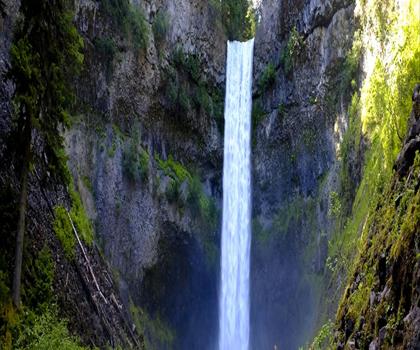
Brandywine Mountain
Vancouver Coast Mountains

Coliseum Mountain
Vancouver Coast Mountains
Hiking near Vancouver
235 trails to explore ~12 km away
We work hard to provide the most up-to-date and error-free data possible. If something seems incorrect, let us know! Your contribution helps the whole community.
Hikers' opinions
Be the first to review!
No hiker has shared their experience yet. Share your impressions and help other hikers!