
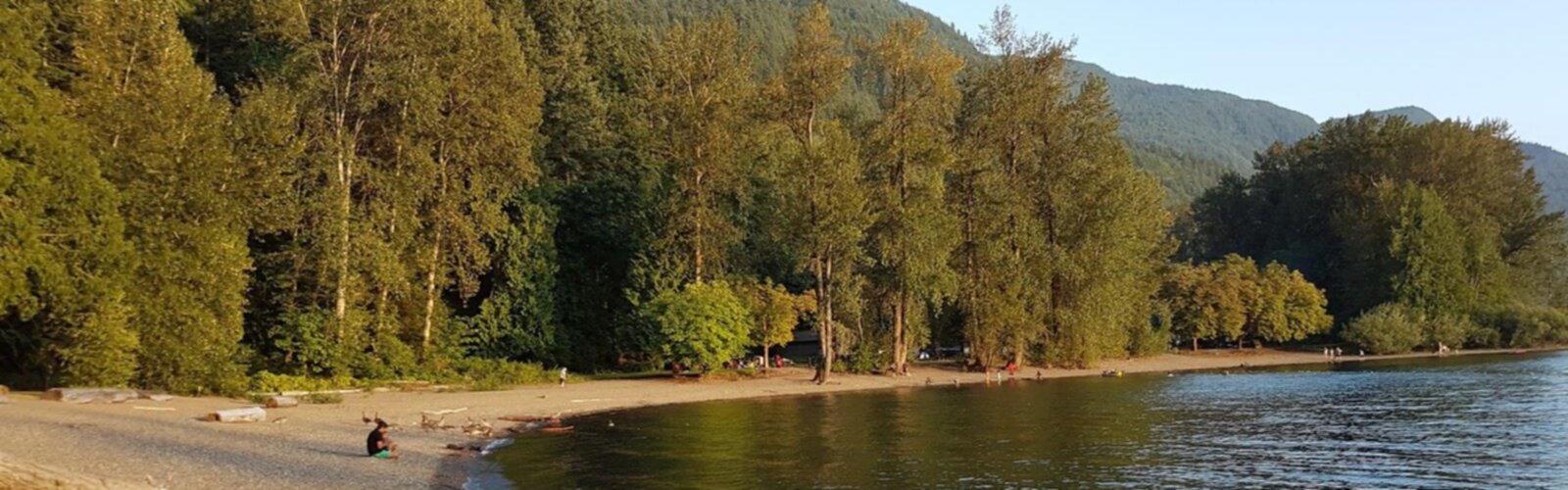

Ready to explore Sasquatch Provincial Park? Here's everything you need to know before you go!
Discover the trail
Trail description
Sasquatch Provincial Park sits in the Vancouver Coast Mountains near Harrison Hot Springs, covering around 1,200 hectares of coastal forest, mountain terrain, and pristine lake country. It's close enough to Vancouver for a day trip but feels genuinely removed from city life once you're on the trail. The park's combination of old-growth forest, three distinct lakes, and a well-connected trail network makes it one of the more versatile spots in the region for hikers of different abilities.
Trail Network and Terrain
The park's trails link three lakes — Hicks Lake, Deer Lake, and Weaver Lake — and can be combined into loops or hiked as out-and-back routes depending on how much ground you want to cover. The main hiking routes gain approximately 500 meters of elevation over 6 kilometers, with a typical moving time of around 2 hours and 15 minutes for a moderate-paced hiker. That said, most people take longer once they factor in lake stops and the natural tendency to slow down in old-growth forest.
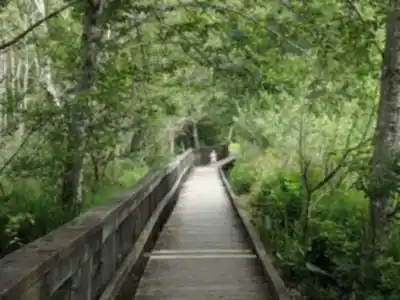
The terrain is classified as moderate, which feels accurate. You're not scrambling or dealing with exposed ridgelines, but the trails do climb meaningfully and include sections with rooted, rocky footing that demand attention — especially after rain, when the forest floor gets slick. The surface underfoot is generally soft, cushioned by years of accumulated needles, but don't let that lull you into wearing trail runners with no grip.
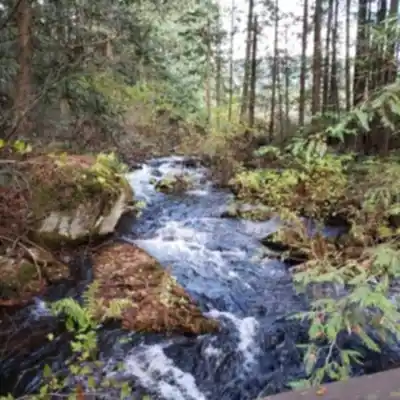
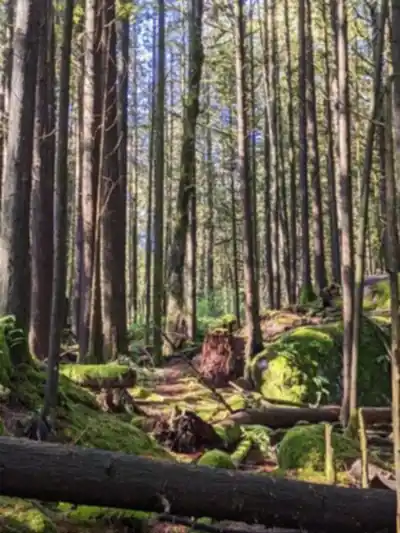
Forest character shifts noticeably as you move through the park. Some stretches pass through cathedral-like groves of Douglas fir, western red cedar, and hemlock where the canopy closes overhead and the light turns green and diffuse. Other sections open up into denser undergrowth where salal and ferns crowd the trail edges. The variety keeps the hiking interesting even on familiar routes.
The Three Lakes
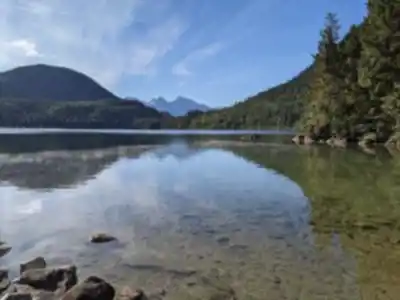
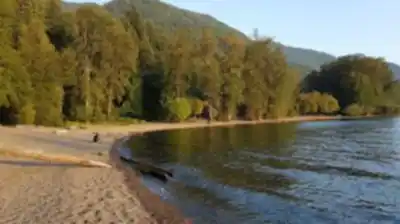
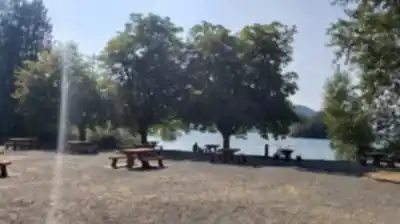
Hicks Lake, Deer Lake, and Weaver Lake each have their own feel, and visiting all three in a single outing is one of the better ways to experience the park's range. The lakes sit in different settings — some in forested bowls, others with broader views toward the surrounding mountains — and the light hits them differently depending on the time of day.
Swimming is a legitimate draw during summer months. The water stays cool even in July and August, which makes it refreshing rather than warm, but on a hot day after a climb that's not a complaint. Shorelines vary from easy, open access points to more secluded spots that require a short push through undergrowth. Early morning visits tend to reward patience: the lakes can go completely still before the wind picks up, and wildlife activity is highest around dawn.
Wildlife and Natural Features
Black bears are present in the park, particularly during berry season in late summer and fall. Standard bear awareness applies — make noise on the trail, store food properly, and know what to do if you have an encounter. Deer are commonly spotted near lake edges and in meadow openings, most reliably at dawn and dusk.
The forest supports a solid range of bird life. Varied thrushes, Steller's jays, and woodpeckers are reliable company on most hikes, and the lakes attract waterfowl. The understory goes through noticeable seasonal changes: spring brings wildflowers into the clearings, summer fills in the berry patches, and fall turns the deciduous shrubs and smaller trees before the coastal rains return.
The park's name nods to the legendary figure of Pacific Northwest folklore, and while sasquatch sightings remain unconfirmed, the dense old-growth sections of the trail do have an atmosphere that makes the mythology feel at least plausible.
Camping and Overnight Options
Sasquatch Provincial Park has both vehicle-accessible and walk-in campsites, which gives you options depending on how much gear you're hauling and how much privacy you want. The vehicle-accessible sites are more convenient for families or anyone with a lot of equipment, while the walk-in sites offer more separation from other campers and a quieter experience overall.
Camping here makes sense if you want to hike multiple trails over a couple of days rather than rushing through everything in one visit. The lake access from camp is a genuine bonus — early morning paddles or swims before the day-use crowds arrive are worth the overnight stay on their own.
Getting There and What to Bring
The park is located near Harrison Hot Springs, making it straightforward to reach from Vancouver for a day trip or weekend outing. The proximity to Harrison Hot Springs also means you can combine a day on the trails with a soak afterward, which is a reasonable way to end a hike that gained 500 meters.
Bring enough water for the full route — natural sources in the park require treatment before drinking. Layers and rain gear are worth packing regardless of the forecast; weather in the Coast Mountains shifts quickly, and a dry morning doesn't guarantee a dry afternoon. Footwear with solid grip handles the wet roots and rocky sections much better than anything with a smooth sole.
Trail conditions vary by season. Higher elevation sections can hold snow into late spring, and the wettest months bring slippery conditions throughout. Summer offers the best combination of dry trails and warm enough temperatures for swimming, while fall is worth considering for the foliage and generally lighter crowds.
The Essential Hiking Checklist
Everything you need for your next hike. Bilingual, printable, 1 page.
Get your free hiking checklistRecommended gear for this trail
As an Amazon Associate I earn from qualifying purchases.


Ready to go?
Everything you need to know before you goStarting Point
The sasquatch provincial park is located in British Columbia, Canada. The best way to get to the start of the trails is to drive to the park and then walk to the trailhead.
When?
Tuesday: 7:00 AM – 7:00 PM
Wednesday: 7:00 AM – 7:00 PM
Thursday: 7:00 AM – 7:00 PM
Friday: 7:00 AM – 7:00 PM
Saturday: 7:00 AM – 7:00 PM
Sunday: 7:00 AM – 7:00 PM
How much?
As an Amazon Associate I earn from qualifying purchases.
Affiliate links — LGPO may earn a commission at no extra cost to you.
- Hiking shoes Essential
- → Salomon Elixir Tour Mid WP · 203.38 $
- Layered clothing Essential
- Rain jacket Essential
- Trekking poles
- → Black Diamond Trail Ergo Cork · 69.99 $
- Headlamp
- → Petzl Actik Core 625 · 103.95 $
FAQ - Frequently asked questions
Everything you need to knowSimilar hikes nearby
Discover other trails you might enjoy
Bridle Path
Vancouver Coast Mountains
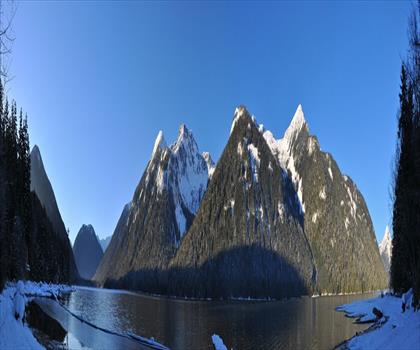
Flora Lake
Vancouver Coast Mountains

Alouette Mountain
Vancouver Coast Mountains
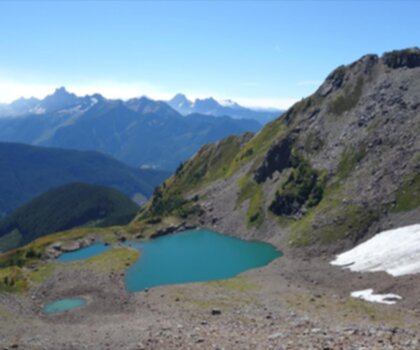
Williamson Lake
Vancouver Coast Mountains
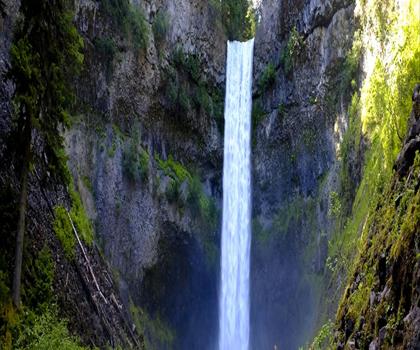
Brandywine Mountain
Vancouver Coast Mountains

Coliseum Mountain
Vancouver Coast Mountains
Hiking near Vancouver
235 trails to explore ~103 km away
We work hard to provide the most up-to-date and error-free data possible. If something seems incorrect, let us know! Your contribution helps the whole community.
Hikers' opinions
Be the first to review!
No hiker has shared their experience yet. Share your impressions and help other hikers!