
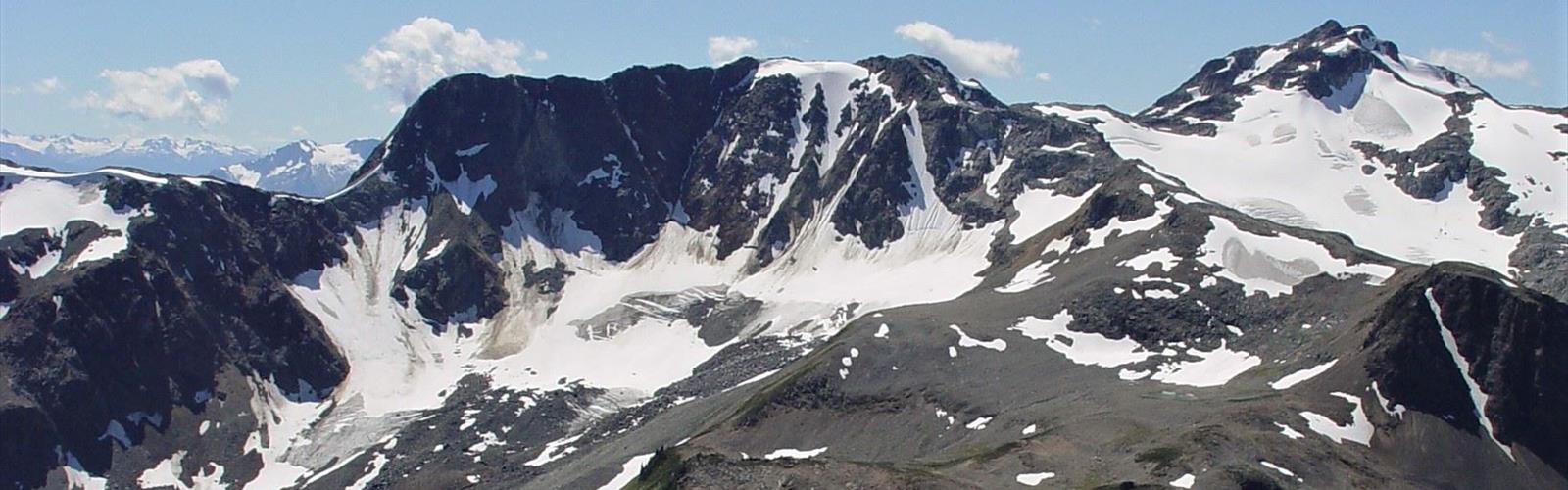

Ready to explore Semaphore Lake? Here's everything you need to know before you go!
Discover the trail
Trail description
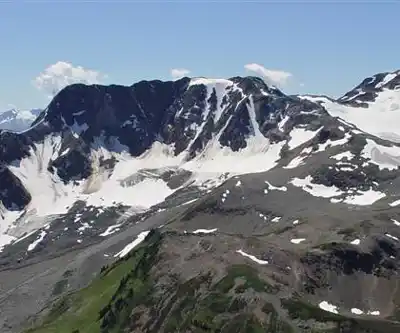
Semaphore Lake sits tucked into a dramatic cirque in British Columbia's Coast Mountains, offering hikers a genuine alpine experience without the crowds that follow more well-known destinations in the Sea-to-Sky corridor. The lake rests at 1,600 meters elevation, surrounded by rugged rock walls and open alpine slopes that give the place a backcountry feel you don't always expect from a day hike. Crystal-clear water, sweeping views across the Pemberton Valley, and enough quiet to actually hear the wind — this one earns its reputation.
What makes Semaphore Lake worth knowing about is the balance it strikes. You're getting real wilderness — alpine terrain, exposed ridgelines, mountain weather — without needing to commit to an overnight trip or technical skills. For intermediate hikers looking to step up from valley trails, this is a natural next move.
The Trail
The hike covers 8 kilometers with 450 meters of elevation gain, and most hikers complete the round trip in around 3 hours and 15 minutes at a comfortable pace. That estimate includes time to breathe and look around, not just move. Stronger hikers will finish faster; anyone who likes to linger at the lake should plan for more.
The trail starts in dense coastal forest, the kind where the canopy closes overhead and the light filters down in long shafts through the conifers. It's a good warm-up section — the grade is manageable, the footing is soft, and the switchbacks ease you into the elevation gain without throwing you straight into the hard stuff. Pay attention to how the forest floor changes as you climb: the undergrowth shifts, the trees thin, and the air starts to feel different.
The middle section of the trail is where the character of the hike really develops. The forest opens up gradually, and you start catching views through the trees before the terrain fully commits to alpine. The trail gets rockier here, and the footing requires a bit more attention. This is also where you'll start to feel the elevation — not in a punishing way, but enough to remind you that you're gaining real ground.
The upper section crosses into open alpine terrain, with meadows that spread out between rocky outcrops. The trail remains well-defined throughout, which matters when you're navigating rockier ground and the route isn't always obvious at first glance. The final approach to the lake involves some steeper, rockier terrain, but nothing that requires hands-on scrambling. You'll hear the change in your footsteps before you see the lake — granite and alpine gravel replacing the softer trail surface — and then the water opens up in front of you.
At the Lake
Semaphore Lake sits in a natural amphitheater of rock and slope that manages to feel both enclosed and wide open at the same time. The water is remarkably clear, and on calm mornings it mirrors the surrounding peaks with the kind of precision that makes you stop and stare. Large granite slabs along the shoreline serve as natural rest spots — flat enough to sit comfortably, positioned well for taking in the full scene.
The lake is cold. Even in the warmest part of summer, a swim is a commitment, and most people are happy to leave their boots on and eat lunch with their feet dangling near the water. That's not a complaint — it's part of what keeps the place feeling like actual mountains rather than a park amenity.
Weather at this elevation moves fast. A clear morning in the valley doesn't guarantee clear skies at the lake by early afternoon, and temperatures up here run noticeably cooler than what you left behind at the trailhead. That's worth keeping in mind when you're deciding how long to stay and what to pack.
Beyond the Lake
Semaphore Lake works well as a destination on its own, but it also sits in good position for hikers who want to keep moving. Locomotive Mountain and Face Mountain are both accessible from the lake area and offer additional elevation and broader views. These extensions move into more rugged, off-trail terrain and require solid route-finding ability — they're not the place to improvise if you're not comfortable reading mountain terrain without a marked path.
Even without heading for a summit, the area around the lake has enough to keep you occupied. Small tarns, open meadows, and shifting light throughout the day give the landscape a quality that rewards time spent rather than just passing through.
What to Bring
- Sturdy hiking boots: The rocky upper sections and uneven alpine terrain make ankle support and solid traction genuinely useful, not just recommended.
- Layers: Temperature at the lake can be significantly cooler than the trailhead, and conditions can shift quickly. A wind layer and a mid-layer cover most scenarios.
- Water and food: There's real elevation gain on this trail, and you'll want fuel for both the climb and the return trip.
- Map or GPS: The trail is well-marked, but having navigation backup matters if weather rolls in or visibility drops.
- Sun protection: Once you're above treeline, there's limited shade and the UV exposure increases with elevation.
When to Go
The trail is typically accessible from late spring through early fall, with the most reliable window running from June through September. Early season visits can mean snow on the upper trail, particularly in the alpine sections above treeline. Late season brings cooler temperatures and the possibility of early winter weather arriving without much warning. Summer offers the warmest conditions and the best chance of catching the alpine meadows in full bloom, which is when most people make the trip.
Starting early in the day is a good habit on any mountain hike — it gives you the calmest conditions at the lake, the best light for photography, and a comfortable buffer before afternoon weather has a chance to develop.
The Essential Hiking Checklist
Everything you need for your next hike. Bilingual, printable, 1 page.
Get your free hiking checklistRecommended gear for this trail
As an Amazon Associate I earn from qualifying purchases.


Ready to go?
Everything you need to know before you goStarting Point
The trails at the semaphore lake in British Columbia can be accessed from the parking lot located at the end of Semaphore Road.
When?
How much?
As an Amazon Associate I earn from qualifying purchases.
Affiliate links — LGPO may earn a commission at no extra cost to you.
- Hiking shoes Essential
- → Salomon Elixir Tour Mid WP · 203.38 $
- Layered clothing Essential
- Rain jacket Essential
- Trekking poles
- → Black Diamond Trail Ergo Cork · 69.99 $
- Headlamp
- → Petzl Actik Core 625 · 103.95 $
FAQ - Frequently asked questions
Everything you need to knowSimilar hikes nearby
Discover other trails you might enjoy
Bridle Path
Vancouver Coast Mountains
Flora Lake
Vancouver Coast Mountains

Alouette Mountain
Vancouver Coast Mountains
Williamson Lake
Vancouver Coast Mountains
Brandywine Mountain
Vancouver Coast Mountains

Coliseum Mountain
Vancouver Coast Mountains
Hiking near Whistler
160 trails to explore ~54 km away
We work hard to provide the most up-to-date and error-free data possible. If something seems incorrect, let us know! Your contribution helps the whole community.
Hikers' opinions
Be the first to review!
No hiker has shared their experience yet. Share your impressions and help other hikers!