
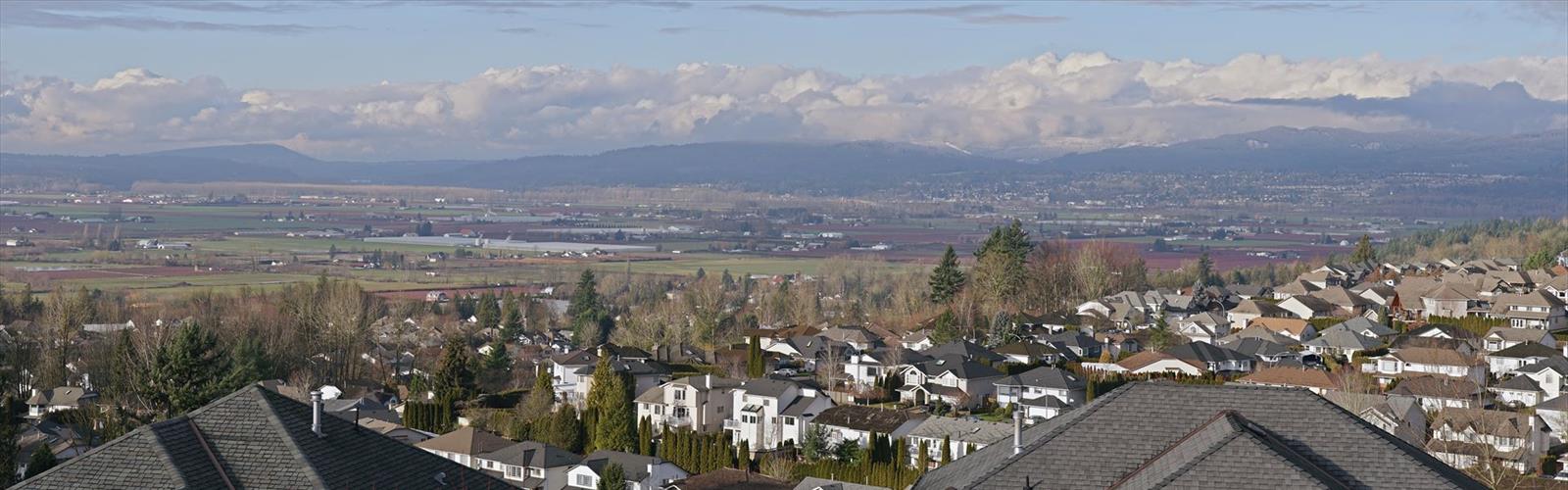

Ready to explore Sumas Mountain? Here's everything you need to know before you go!
Discover the trail
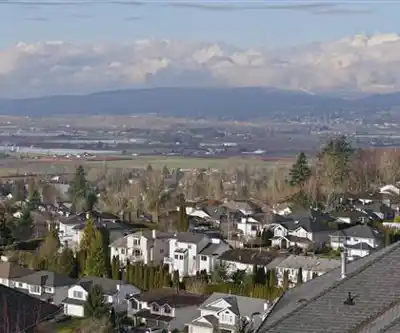
Trail description
Sumas Mountain rises sharply from the Fraser Valley floor in British Columbia, offering one of the more rewarding — and demanding — hikes in the Vancouver Coast Mountains region. At 14 kilometers round-trip with 900 meters of elevation gain, this is a genuine workout that earns you sweeping views over the agricultural patchwork of the Fraser Valley and the surrounding Coast Mountains.
What to Expect on the Trail
The climb up Sumas Mountain is no casual outing. That 900-meter elevation gain over the course of the hike means sustained uphill effort, and the terrain doesn't let you forget it. The mountain rises dramatically from the flatlands below, which is part of what makes the summit payoff so striking — you go from valley floor to panoramic viewpoint in a way that feels genuinely earned.
The forested slopes are dense and varied, with sections of second-growth mixed forest giving way to rockier terrain as you gain elevation. There are stretches that require careful footing, and some areas involve scrambling over rocky outcrops. This isn't a groomed trail system, and the route demands attention. Budget the full 6 hours and 30 minutes — this isn't a hike to rush.
Views and Highlights
The summit perspective is one of the best arguments for making the effort. From the top, the Fraser Valley spreads out below in a wide, flat panorama — farmland, river channels, and communities like Abbotsford visible on clear days. The contrast between the valley floor and the mountain terrain you've just climbed through gives the view a real sense of scale. On a clear day, the Coast Mountains fill the horizon in multiple directions, making this a genuinely impressive vantage point for the region.
The varied terrain along the way also creates natural stopping points — rocky outcrops and open sections that offer partial views and good spots to catch your breath before pushing on to the summit.
Terrain and Difficulty
Sumas Mountain is rated hard, and that rating is accurate. The combination of distance, elevation gain, and rugged terrain puts this squarely in the category of hikes that require solid fitness and some experience with steeper mountain routes. The heavily forested slope features rocky sections and areas where route-finding matters — this isn't a trail where you can zone out and follow a well-worn path without paying attention.
Hikers should be comfortable with uneven footing, sustained climbing, and occasional scrambling. Trekking poles are a practical choice here, particularly on the descent when tired legs meet steep, rocky terrain.
Access and Trailhead
Sumas Mountain is located in the Fraser Valley area of British Columbia, accessible from the Abbotsford region. The mountain sits within the Vancouver Coast Mountains zone, rising prominently above the surrounding lowlands. As with many trails in this part of BC, it's worth checking current conditions before heading out — the terrain and access points can vary, and local trail reports are your best resource for up-to-date information.
Seasonal Conditions
The relatively lower elevation compared to some of the higher Coast Mountain peaks means the trail is accessible for a longer season than many alpine routes in the region. That said, the steep terrain can be slippery in wet conditions, which are common throughout much of the year in this part of British Columbia. Winter hiking is possible but demands appropriate footwear and awareness of reduced daylight. Spring and fall tend to offer a good balance of manageable weather and solid visibility for the valley views. Summer gives you the most reliable conditions for the full experience.
Practical Notes
- Distance: 14 km round-trip
- Elevation gain: 900 m
- Estimated time: 6 hours 30 minutes
- Difficulty: Hard
- Bring plenty of water — the sustained climb and limited shade on upper sections mean you'll go through more than you expect.
- Sturdy hiking boots with ankle support are strongly recommended given the rocky, uneven terrain.
- Start early to give yourself a comfortable buffer on time, especially if you're not familiar with the route.
Sumas Mountain rewards hikers who come prepared — the Fraser Valley views from the summit are genuinely worth the effort, and the rugged character of the terrain makes it a satisfying challenge for anyone looking to push beyond the easier trails in the region.
The Essential Hiking Checklist
Everything you need for your next hike. Bilingual, printable, 1 page.
Get your free hiking checklistRecommended gear for this trail
As an Amazon Associate I earn from qualifying purchases.


Ready to go?
Everything you need to know before you goStarting Point
The sumas mountain trails can be accessed from the sumas mountain parking lot, which is located off of sumas mountain Road.
When?
How much?
As an Amazon Associate I earn from qualifying purchases.
Affiliate links — LGPO may earn a commission at no extra cost to you.
- Hiking shoes Essential
- → Salomon Elixir Tour Mid WP · 203.38 $
- Layered clothing Essential
- Rain jacket Essential
- Trekking poles
- → Black Diamond Trail Ergo Cork · 69.99 $
- Headlamp
- → Petzl Actik Core 625 · 103.95 $
FAQ - Frequently asked questions
Everything you need to knowSimilar hikes nearby
Discover other trails you might enjoy
Bridle Path
Vancouver Coast Mountains
Flora Lake
Vancouver Coast Mountains

Alouette Mountain
Vancouver Coast Mountains
Williamson Lake
Vancouver Coast Mountains
Brandywine Mountain
Vancouver Coast Mountains

Coliseum Mountain
Vancouver Coast Mountains
Hiking near Vancouver
235 trails to explore ~73 km away
We work hard to provide the most up-to-date and error-free data possible. If something seems incorrect, let us know! Your contribution helps the whole community.
Hikers' opinions
Be the first to review!
No hiker has shared their experience yet. Share your impressions and help other hikers!