


Ready to explore The Black Tusk? Here's everything you need to know before you go!
Discover the trail
Trail description
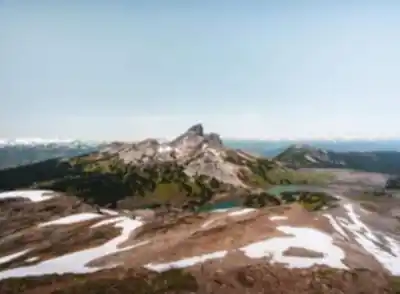
The Black Tusk stands as one of British Columbia's most distinctive peaks, a jagged volcanic spire that pierces the sky at 2,319 meters (7,608 feet) in Garibaldi Provincial Park. This ancient volcanic remnant creates a dramatic silhouette against the Vancouver Coast Mountains, its dark rock face visible from incredible distances and serving as a beacon for hikers throughout the region.
What makes the Black Tusk truly remarkable isn't just its imposing height, but its geological story. The mountain's distinctive black coloration and sharp, angular profile are remnants of volcanic activity from thousands of years ago. Unlike the rounded, glacially-carved peaks that dominate much of the Coast Mountains, the Black Tusk's harsh edges and dark rock create a striking contrast against the surrounding alpine landscape of emerald meadows and turquoise lakes.
The Trail Experience
The journey to the Black Tusk begins at the Rubble Creek parking lot, positioned about 30 minutes north of Squamish or 90 minutes from Vancouver. This trailhead serves multiple destinations within Garibaldi Provincial Park, making it one of the busier starting points in the region, especially during peak summer months.
The 29-kilometer round-trip adventure demands respect and preparation. With 1,740 meters of elevation gain spread over roughly 10 hours and 15 minutes of hiking, this trail challenges even experienced hikers with its sustained climbs and varied terrain. The difficulty rating of "hard" becomes apparent early on, as the trail begins by winding through dense coastal forest where towering Douglas firs and western hemlocks create a cathedral-like canopy overhead.
The forest floor, carpeted with ferns and moss, provides a cool, shaded start to what becomes an increasingly exposed and demanding ascent. As you climb higher, the forest gradually gives way to subalpine terrain, and the sustained nature of the elevation gain becomes the defining characteristic of this hike. There's no easy section—every kilometer earned requires steady effort and determination.
Key Landmarks and Terrain
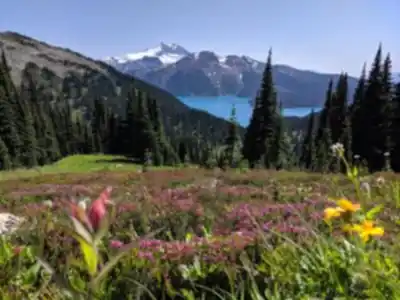
Taylor Meadows marks a significant milestone in the journey, offering the first taste of the alpine environment that defines the upper reaches of this hike. During peak wildflower season, typically July through August, these meadows explode with color—Indian paintbrush, lupine, and mountain asters creating natural gardens that seem almost impossibly vibrant against the backdrop of snow-capped peaks.
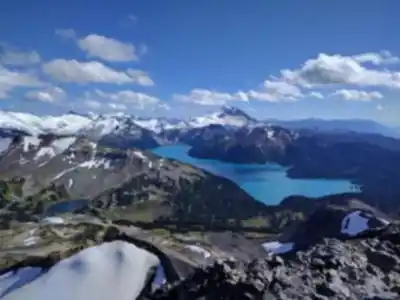
Beyond Taylor Meadows, the trail continues its relentless climb toward Garibaldi Lake, another crucial waypoint that provides both a psychological and physical break. The lake's distinctive turquoise waters, fed by glacial melt, offer a stunning contrast to the surrounding landscape. This spot serves as an ideal place to refuel and assess conditions before tackling the final, most challenging section of the ascent.
The route from Garibaldi Lake to the base of the Black Tusk represents the most demanding portion of the hike. The trail becomes steeper and more rugged, winding through boulder fields and across exposed slopes where weather conditions can change rapidly. Alpine larches dot the landscape at this elevation, their delicate needles turning brilliant gold in autumn, creating one of the most spectacular seasonal displays in the Coast Mountains.
The Summit Approach
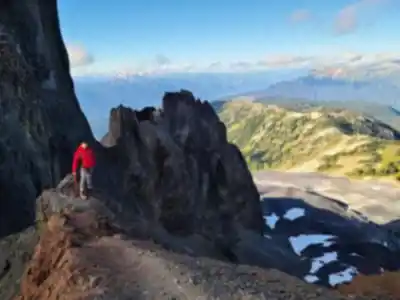
Reaching the base of the Black Tusk's distinctive spire marks the end of the established trail, but not necessarily the end of the adventure. The final scramble to the summit requires technical skills, sure footing, and extreme caution due to loose rock and exposure. Many hikers choose to stop at the base, where the views are already spectacular and the sense of accomplishment complete.
The volcanic rock that gives the Black Tusk its distinctive appearance becomes a hands-on experience during this final section. The loose, dark stone requires careful foot placement and constant attention. Weather conditions play a crucial role in determining whether the scramble is safe—wet rock becomes treacherous, and high winds at this exposed elevation can create dangerous conditions.
What Sets This Hike Apart
On clear days, the panoramic views from the Black Tusk area encompass some of British Columbia's most iconic mountain scenery. The Tantalus Range stretches to the west, while the peaks of Garibaldi Provincial Park extend in every direction. Garibaldi Lake spreads out far below, its turquoise surface reflecting the surrounding peaks and creating a scene that seems almost too perfect to be real.
The geological diversity visible from this vantage point tells the story of the region's volcanic past. Cinder cones, lava flows, and other volcanic features dot the landscape, creating a unique alpine environment that differs dramatically from the glacially-carved terrain found elsewhere in the Coast Mountains. This volcanic heritage makes the Black Tusk area feel distinctly different from other high-elevation hikes in the region.
Planning and Preparation
This full-day adventure requires careful preparation and appropriate gear. Sturdy hiking boots with good ankle support are essential for navigating the rocky terrain and loose surfaces encountered throughout the upper portions of the trail. The length and difficulty of this hike mean that gear choices become critical—every item in your pack should serve a purpose.
Weather conditions can change rapidly at elevation, making layered clothing crucial for comfort and safety. The exposed nature of much of the upper trail means sun protection becomes critical during clear weather, while the potential for sudden weather changes requires rain gear and warm layers even on seemingly perfect days.
Water requirements are substantial for this long, demanding hike. Carry plenty of water and high-energy snacks to maintain strength throughout the day. The sustained elevation gain over nearly 30 kilometers means your body will be working hard for the entire duration of the hike.
Trail conditions and weather forecasts should always be checked before departure. Snow can linger well into summer at higher elevations, and afternoon thunderstorms are common during certain seasons. The loose rock near the summit becomes particularly dangerous when wet, making timing and weather awareness crucial safety considerations.
Respecting this pristine alpine environment means following Leave No Trace principles strictly. Pack out all trash, stay on established trails to prevent erosion, and maintain appropriate distances from any wildlife encountered. The fragile alpine ecosystem around the Black Tusk requires careful stewardship to preserve its beauty for future generations of hikers.
Recommended gear for this trail
As an Amazon Associate I earn from qualifying purchases.


Ready to go?
Everything you need to know before you goStarting Point
the black tusk is located in Garibaldi Provincial Park, British Columbia. The park is about a 2.5 hour drive north of Vancouver.
When?
How much?
As an Amazon Associate I earn from qualifying purchases.
Affiliate links — LGPO may earn a commission at no extra cost to you.
- Hiking shoes Essential
- → Salomon Elixir Tour Mid WP · 203.38 $
- Layered clothing Essential
- Rain jacket Essential
- Trekking poles
- → Black Diamond Trail Ergo Cork · 69.99 $
- Headlamp
- → Petzl Actik Core 625 · 103.95 $
FAQ - Frequently asked questions
Everything you need to know
25 hikes under 2 hours from Montreal
Distance, elevation, parking and season for each one. The ones we go back to ourselves.
Get the guideSimilar hikes nearby
Discover other trails you might enjoy
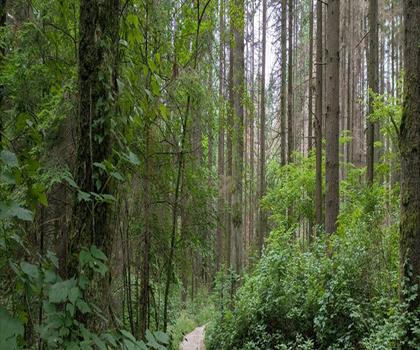
Bridle Path
Vancouver Coast Mountains
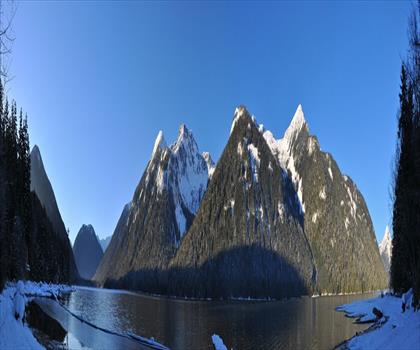
Flora Lake
Vancouver Coast Mountains

Alouette Mountain
Vancouver Coast Mountains
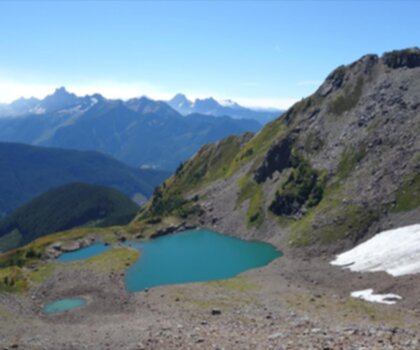
Williamson Lake
Vancouver Coast Mountains
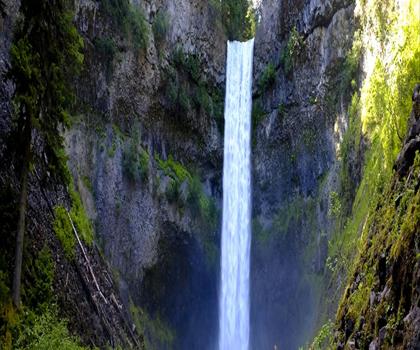
Brandywine Mountain
Vancouver Coast Mountains

Coliseum Mountain
Vancouver Coast Mountains
Hiking near Whistler
160 trails to explore ~17 km away
We work hard to provide the most up-to-date and error-free data possible. If something seems incorrect, let us know! Your contribution helps the whole community.
Hikers' opinions
Be the first to review!
No hiker has shared their experience yet. Share your impressions and help other hikers!