


Ready to explore The North Shore - Eagle Bluffs? Here's everything you need to know before you go!
Discover the trail



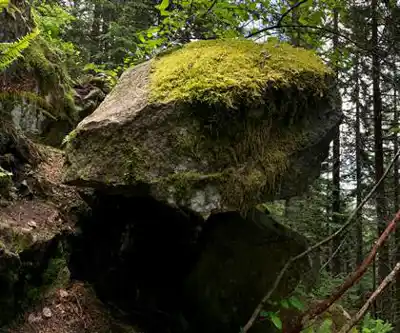
Trail description
Eagle Bluffs stands out as one of the North Shore's most rewarding hiking destinations, offering spectacular panoramic views across Howe Sound, Bowen Island, and on clear days, glimpses of downtown Vancouver's skyline. This trail in the Vancouver Coast Mountains delivers the kind of sweeping vistas that make the North Shore famous, combined with diverse terrain that keeps the journey engaging from start to finish.
The hike begins at the Cypress Mountain parking lot, where you'll immediately notice the well-established trailhead that serves multiple routes in this popular recreation area. The 8-kilometer round trip to Eagle Bluffs typically takes 4-5 hours to complete, making it a solid half-day adventure that's rated moderate to challenging. This difficulty rating reflects both the steady elevation gain and the varied terrain you'll encounter along the way.
The Trail Experience
Your journey starts with a steady climb through dense coastal forest, where towering Douglas firs and western hemlocks create a canopy that filters the light into dappled patterns on the forest floor. The initial section requires consistent effort as you gain elevation, but the well-maintained trail makes for secure footing even when conditions are damp.
As you progress upward, the forest gradually opens up, revealing the first hints of the spectacular views to come. The trail passes through Black Mountain Plateau, a natural resting point where many hikers pause to catch their breath and take in the changing landscape. This plateau offers a preview of the alpine environment ahead, with its more open terrain and hardy mountain vegetation.
Cabin Lake marks another significant waypoint along the route, providing an ideal spot for a picnic or extended rest. The lake's serene waters reflect the surrounding peaks, creating a peaceful interlude before the final push to the bluffs themselves. The contrast between the dense forest of the lower elevations and the more exposed alpine terrain around the lake showcases the diverse ecosystems you'll experience on this single hike.
The final approach to Eagle Bluffs involves navigating more exposed terrain, where the trail becomes rockier and the views begin to open dramatically. This section requires more careful foot placement, especially in wet conditions, but the anticipation builds with each step as glimpses of Howe Sound appear through the trees.
Wildlife and Natural Features
Eagle Bluffs lives up to its name, with eagles frequently spotted soaring on the thermals that rise from the sound below. These magnificent birds often circle at eye level when you're standing on the bluffs, providing incredible wildlife viewing opportunities. The area also supports a healthy population of hoary marmots, which can often be seen basking on sun-warmed rocks during warmer months. Their distinctive whistles serve as an early warning system for the colony and add to the authentic alpine atmosphere.
The diverse elevation range of this hike means you'll encounter multiple forest zones, from the lush coastal forest at the base to the hardy alpine plants that cling to the rocky outcrops near the summit. This botanical diversity makes the trail particularly interesting for those who appreciate the subtle changes in vegetation as elevation increases.
The Payoff: Views from Eagle Bluffs
The panoramic views from Eagle Bluffs justify every step of the climb. Howe Sound stretches out below, its deep blue waters dotted with islands and framed by the dramatic peaks of the Coast Mountains. Bowen Island dominates the southern view, while the Sunshine Coast mountains create a stunning backdrop across the sound. On exceptionally clear days, the urban landscape of Vancouver becomes visible, creating an interesting juxtaposition between wilderness and city life.
The bluffs themselves provide multiple vantage points, allowing hikers to find their preferred spot for taking in the scenery. The rocky outcrops offer stable platforms for photography, though the exposed nature of these viewpoints means wind can be a factor, especially during shoulder seasons.
Planning Your Visit
Proper preparation significantly enhances your Eagle Bluffs experience. Sturdy hiking boots are essential, as the trail includes rocky sections and can be slippery when wet. The 350 meters of elevation gain, combined with the 8-kilometer distance, demands adequate hydration and nutrition, so pack plenty of water and energy-rich snacks.
Mountain weather changes rapidly, making layered clothing crucial for comfort and safety. Even on warm valley days, conditions at the bluffs can be significantly cooler and windier. A waterproof layer provides insurance against sudden weather changes that are common in the Coast Mountains.
Early morning starts offer several advantages: fewer crowds on the trail, better lighting conditions for photography, and typically more stable weather. The morning light on Howe Sound creates particularly dramatic photographic opportunities, with the low angle sun highlighting the water's surface and the surrounding peaks.
Trail conditions can vary significantly with the season and recent weather, so checking current conditions before departure helps avoid unpleasant surprises. Snow can linger at higher elevations well into spring, while summer brings the risk of afternoon thunderstorms.
Responsible Recreation
Eagle Bluffs' popularity means that responsible recreation practices are essential for preserving the area's natural beauty. Pack out all trash, including organic waste like apple cores and banana peels, which decompose slowly in alpine environments. The fragile alpine vegetation around the bluffs recovers slowly from damage, so staying on established trails and designated viewpoints helps protect these sensitive areas.
Wildlife viewing opportunities come with responsibilities. Maintain respectful distances from eagles and marmots, and never feed wildlife, as this disrupts their natural behaviors and can create dangerous situations for both animals and future hikers.
If hiking alone, always inform someone of your planned route and expected return time. Cell phone coverage can be spotty in the mountains, making self-reliance and proper planning essential safety measures.
The Essential Hiking Checklist
Everything you need for your next hike. Bilingual, printable, 1 page.
Get your free hiking checklistRecommended gear for this trail
As an Amazon Associate I earn from qualifying purchases.


Ready to go?
Everything you need to know before you goStarting Point
the north shore - eagle bluffs is located in British Columbia. To get to the start of the trails, take Highway 1 to exit 14 for Mount Seymour Parkway. Head north on Mount Seymour Parkway and take the first left onto Deep Cove Road. Follow Deep Cove Road until it ends and park in the lot at the end.
When?
How much?
As an Amazon Associate I earn from qualifying purchases.
Affiliate links — LGPO may earn a commission at no extra cost to you.
- Hiking shoes Essential
- → Salomon Elixir Tour Mid WP · 203.38 $
- Layered clothing Essential
- Rain jacket Essential
- Trekking poles
- → Black Diamond Trail Ergo Cork · 69.99 $
- Headlamp
- → Petzl Actik Core 625 · 103.95 $
FAQ - Frequently asked questions
Everything you need to knowSimilar hikes nearby
Discover other trails you might enjoy
Bridle Path
Vancouver Coast Mountains
Flora Lake
Vancouver Coast Mountains

Alouette Mountain
Vancouver Coast Mountains
Williamson Lake
Vancouver Coast Mountains
Brandywine Mountain
Vancouver Coast Mountains

Coliseum Mountain
Vancouver Coast Mountains
Hiking near Vancouver
235 trails to explore ~14 km away
We work hard to provide the most up-to-date and error-free data possible. If something seems incorrect, let us know! Your contribution helps the whole community.
Hikers' opinions
Be the first to review!
No hiker has shared their experience yet. Share your impressions and help other hikers!