
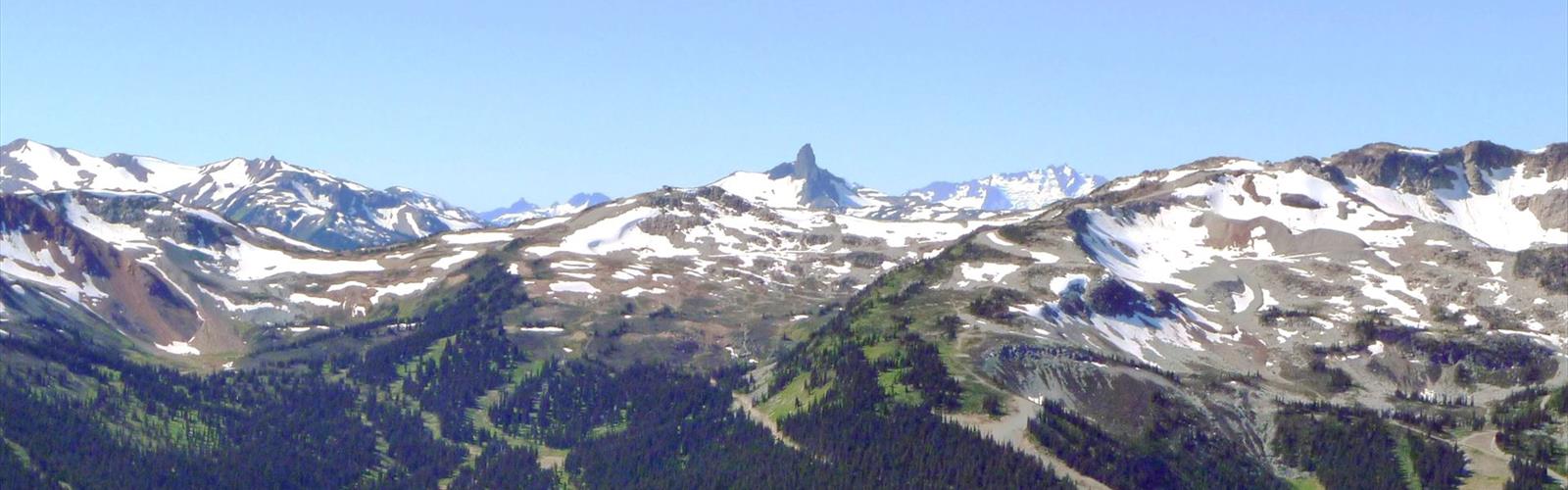

Ready to explore Wedge Mountain? Here's everything you need to know before you go!
Discover the trail
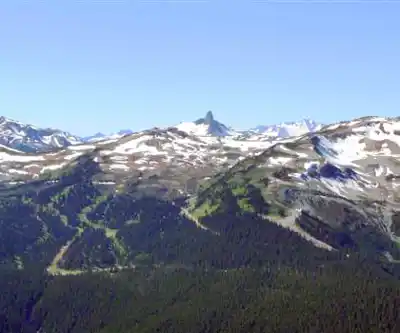
Trail description
Wedge Mountain stands as the highest peak in Garibaldi Provincial Park, reaching 2,895 meters (9,497 feet) into the British Columbia sky. With a prominence of 2,249 meters, this massive summit dominates the northern Garibaldi Ranges and delivers one of the most demanding and rewarding alpine experiences in the Vancouver Coast Mountains. The mountain earned its name from the Garibaldi Park Board in 1932 — "Wedge" was chosen over the previously suggested "Mount Vancouver" to reflect the peak's distinctive angular profile that cuts sharply against the horizon.
From the Whistler Blackcomb Ski Area, Wedge Mountain is one of the most prominent peaks visible in the northern skyline, sitting across the valley from the well-known Spearhead Range beyond Billygoat Pass. That proximity to Whistler makes it a natural target for serious hikers and mountaineers looking to push beyond resort-area trails. The mountain anchors the northernmost group of peaks in the Garibaldi system, sharing this remote territory with Mount Weart — locally nicknamed "the Armchair" for its distinctive shape — and Mount Currie, which overlooks the Pemberton valley to the north.
Geographically, Wedge Mountain's prominence is defined by the divide between the Green and Cheakamus Rivers, with the key saddle located at Tokum Corners near the south end of Alta Lake. This positioning places the mountain on the boundary between the New Westminster and Lillooet Land Districts.
The Hiking Experience
The route to Wedge Mountain covers 8 kilometers with 1,200 meters of elevation gain, and most hikers should budget around 4.5 hours for the ascent. This is a hard-rated objective — not a casual day hike. Solid fitness, reliable navigation skills, and proper alpine gear are all non-negotiable before you set foot on this trail.
The lower section of the route moves through dense coastal forest typical of the region — towering Douglas fir and western hemlock forming a thick canopy overhead, with devil's club, salmonberry, and deep moss carpeting the forest floor. It's a classic BC coastal mountain start: humid, green, and atmospheric.
As you gain elevation, the forest gradually opens into subalpine terrain. Meadows appear between the thinning trees, and during summer these zones fill with Indian paintbrush, lupine, and mountain heather. The ground underfoot becomes increasingly rocky and the exposure grows, requiring careful foot placement and, depending on your exact line, some basic scrambling.
The upper mountain is full alpine — open, exposed, and unforgiving if the weather turns. Snow can linger on the upper reaches well into July, and early-season attempts may require mountaineering equipment including an ice axe and crampons. Even in peak summer, conditions on the exposed ridges and rocky faces can shift quickly. The summit rewards the effort with panoramic views across the entire Garibaldi region: the Spearhead Range, the Whistler valley far below, and on clear days, sightlines reaching toward the Pacific Ocean to the southwest.
Wildlife and Natural Features
The range of elevation zones around Wedge Mountain supports a solid variety of wildlife. Black bears are common in the lower forested sections, especially during berry season in late summer and early fall. Mountain goats inhabit the higher rocky terrain and cliff faces. Deer and elk frequent the meadow zones in between. Higher up, marmots and pikas are regulars, and the alpine environment hosts several bird species adapted to life above treeline.
Access and Practical Considerations
Getting to the Wedge Mountain trailhead requires careful planning. Access typically involves forest service roads that may need a high-clearance vehicle, and road conditions can vary significantly depending on recent weather and maintenance. This is genuine backcountry — there are no developed facilities at the trailhead, and self-sufficiency is essential from the moment you leave your vehicle.
Weather in this part of the Coast Mountains is notoriously unpredictable. Conditions can deteriorate rapidly with increasing elevation, and even in summer, sudden temperature drops and precipitation are real possibilities on the exposed upper mountain. Come prepared for a full range of conditions regardless of what the forecast says at the trailhead.
Water sources are generally available in the lower and middle sections of the route, but reliable water access becomes limited in the alpine zone depending on the season. Carry enough water or bring a reliable purification method for treating natural sources.
The technical demands of this route — sustained elevation gain, remote location, route-finding in alpine terrain, and potential snow travel — make Wedge Mountain best suited for experienced hikers who are comfortable well above treeline. No technical rock climbing is required, but the combination of exposure, distance from help, and rapidly changing mountain weather means this summit deserves genuine respect and thorough preparation before you go.
The Essential Hiking Checklist
Everything you need for your next hike. Bilingual, printable, 1 page.
Get your free hiking checklistRecommended gear for this trail
As an Amazon Associate I earn from qualifying purchases.


Ready to go?
Everything you need to know before you goStarting Point
The wedge mountain trails are located in the wedge mountain Provincial Park, which is about a 2-hour drive from Vancouver. To get to the park, take Highway 99 north to Squamish and then follow the signs to the park.
When?
How much?
As an Amazon Associate I earn from qualifying purchases.
Affiliate links — LGPO may earn a commission at no extra cost to you.
- Hiking shoes Essential
- → Salomon Elixir Tour Mid WP · 203.38 $
- Layered clothing Essential
- Rain jacket Essential
- Trekking poles
- → Black Diamond Trail Ergo Cork · 69.99 $
- Headlamp
- → Petzl Actik Core 625 · 103.95 $
FAQ - Frequently asked questions
Everything you need to knowSimilar hikes nearby
Discover other trails you might enjoy
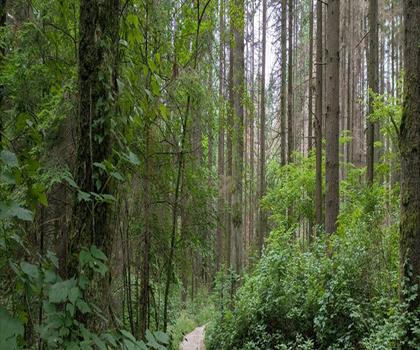
Bridle Path
Vancouver Coast Mountains
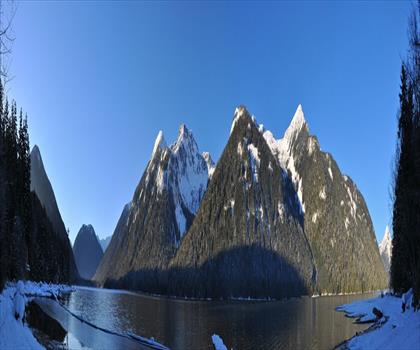
Flora Lake
Vancouver Coast Mountains

Alouette Mountain
Vancouver Coast Mountains
Williamson Lake
Vancouver Coast Mountains
Brandywine Mountain
Vancouver Coast Mountains

Coliseum Mountain
Vancouver Coast Mountains
Hiking near Whistler
160 trails to explore ~12 km away
We work hard to provide the most up-to-date and error-free data possible. If something seems incorrect, let us know! Your contribution helps the whole community.
Hikers' opinions
Be the first to review!
No hiker has shared their experience yet. Share your impressions and help other hikers!