


Ready to explore Whistler Mountain Bike Park? Here's everything you need to know before you go!
Discover the trail
Trail description
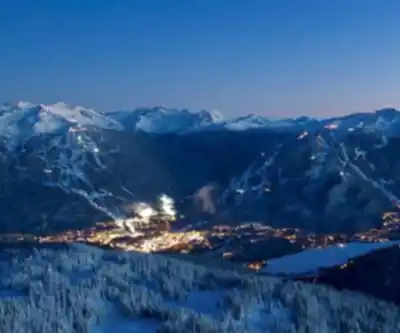
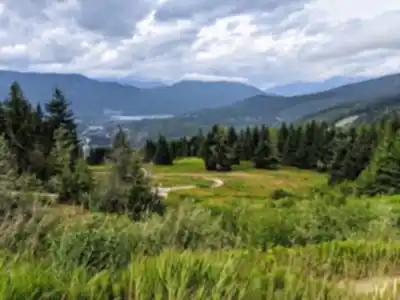
Whistler Mountain Bike Park sits high in the Vancouver Coast Mountains, transforming from a world-renowned downhill biking destination into an equally compelling hiking playground. While the park built its reputation on gravity-fed mountain biking thrills, the extensive trail network and dramatic alpine setting make it a standout destination for hikers seeking both accessible forest walks and challenging mountain terrain.
The park's trail system spans multiple elevation zones, starting from the village base and climbing through dense coastal forest into subalpine meadows and exposed ridgelines. What sets this location apart from other hiking destinations in the Coast Mountains is the combination of well-maintained trail infrastructure originally built for mountain biking and the stunning variety of ecosystems you'll encounter as you gain elevation.
Trail Network and Terrain
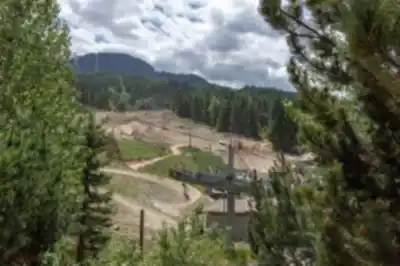
The hiking experience here differs significantly from traditional wilderness trails. Many routes follow former logging roads and purpose-built mountain bike trails, creating wider, more stable walking surfaces than typical backcountry paths. This infrastructure makes the park particularly accessible for hikers who want to experience high-alpine environments without navigating technical scrambles or poorly marked routes.
Lower elevation trails wind through old-growth coastal forest dominated by massive Douglas fir, western red cedar, and hemlock. The forest floor stays relatively open, allowing excellent visibility of the towering canopy above. As you climb higher, the forest transitions to mountain hemlock and subalpine fir, with increasing glimpses of the surrounding peaks through the trees.
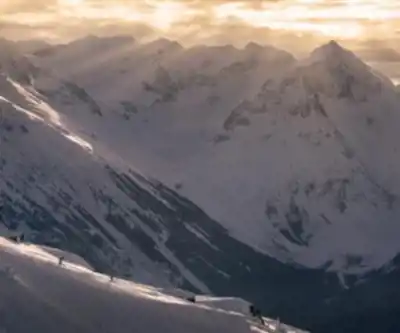
The real payoff comes in the alpine zones, where the trees give way to expansive meadows filled with wildflowers during summer months. From these higher elevations, hikers gain commanding views across the Sea-to-Sky corridor, with glimpses of Howe Sound to the south and the massive glaciated peaks of the Coast Range stretching north.
What Makes This Hiking Experience Unique
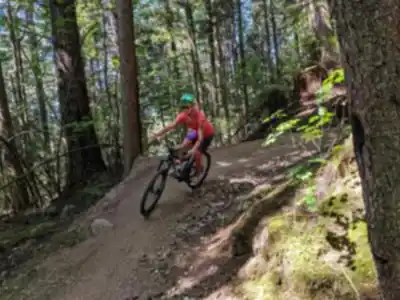
The park's mountain biking heritage creates a hiking environment unlike anywhere else in British Columbia. The professionally designed trail system means you'll encounter features like banked turns, carefully graded switchbacks, and strategically placed viewpoints that maximize the scenic impact. These trails were built to handle high-speed bike traffic, so they're incredibly well-drained and stable underfoot, even during wet coastal weather.
The shared-use nature of the trail system adds an interesting dynamic to the hiking experience. You'll encounter mountain bikers throughout the day, creating opportunities to witness some seriously impressive riding skills as bikers navigate technical features and jumps. The energy is infectious, and many hikers find themselves inspired to try mountain biking after watching the action.
Wildlife and Natural Features
The diverse elevation range supports an impressive variety of wildlife that hikers regularly encounter. Black bears are common throughout the area, particularly in late summer when they're feeding on berries in the alpine meadows. The park's location in prime bear habitat means hikers need to stay alert and make noise while traveling.
Mule deer frequent the lower forest zones, while mountain goats occasionally appear on the higher rocky outcrops. Bird life is particularly rich, with everything from common forest species like Steller's jays and varied thrushes to high-alpine specialists like white-tailed ptarmigan and gray-crowned rosy-finned finches in the upper elevations.
The geological features add another layer of interest to the hiking experience. The Coast Mountains' dramatic relief becomes apparent as you climb, with massive granite faces and glaciated peaks dominating the skyline. During clear weather, the contrast between the lush green valleys and the stark, snow-covered summits creates some of the most photogenic mountain scenery in British Columbia.
Seasonal Access and Conditions
The park operates seasonally, typically opening for summer activities once snow clears from the upper elevations, usually by late June or early July. The hiking season extends through October, with September often providing the most stable weather and spectacular fall colors in the alpine zones.
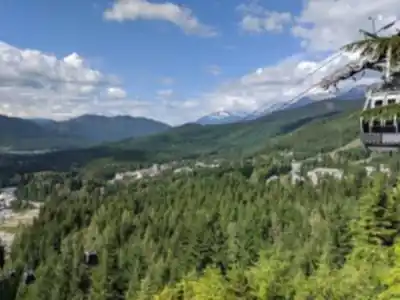
Access to the higher elevation trails requires using the village gondola system, which provides a significant head start on elevation gain. This mechanical advantage allows hikers to reach alpine terrain that would otherwise require much longer approaches from valley bottom trailheads. The gondola system also means that weather conditions can change rapidly as you gain elevation, so hikers need to come prepared for mountain weather even on warm valley days.
Trail Etiquette and Safety
Hiking in a mountain bike park requires understanding shared-trail etiquette. On designated bike trails, hikers should yield to descending bikers and stay aware of approaching riders. Many trails have specific time windows for different user groups, and some routes remain hiking-only throughout the day. The park staff does an excellent job of posting current trail conditions and usage guidelines at key intersections.
The well-maintained trail system shouldn't lull hikers into complacency about mountain safety. Weather in the Coast Mountains changes rapidly, and the combination of high elevation and proximity to the Pacific Ocean means conditions can shift from sunny to stormy within hours. Proper layering, rain protection, and extra food and water remain essential for any hiking adventure here.
Village Integration and Amenities
The integration with Whistler Village provides hiking amenities rarely found at mountain trailheads. After a day in the mountains, hikers can easily access restaurants, gear shops, and accommodation without driving to another location. The village's pedestrian-friendly layout makes it easy to walk from trailheads to dining and lodging options.
Local restaurants cater to the outdoor recreation crowd, with many offering hearty meals perfect for refueling after long days on the trails. The village atmosphere creates natural opportunities to connect with other outdoor enthusiasts and share information about trail conditions and wildlife sightings. Equipment rentals and guided tour options are readily available for those interested in combining hiking with other mountain activities during their visit.
Recommended gear for this trail
As an Amazon Associate I earn from qualifying purchases.


Ready to go?
Everything you need to know before you goStarting Point
The easiest way to get to the start of the trails at the whistler mountain bike park is to drive to the village of Whistler and take the gondola up to the top of the mountain.
When?
Tuesday: 10:00 AM – 5:00 PM
Wednesday: 10:00 AM – 5:00 PM
Thursday: 10:00 AM – 5:00 PM
Friday: 10:00 AM – 5:00 PM
Saturday: 10:00 AM – 5:00 PM
Sunday: 10:00 AM – 5:00 PM
How much?
As an Amazon Associate I earn from qualifying purchases.
Affiliate links — LGPO may earn a commission at no extra cost to you.
- Hiking shoes Essential
- → Salomon Elixir Tour Mid WP · 203.38 $
- Layered clothing Essential
- Rain jacket Essential
- Trekking poles
- → Black Diamond Trail Ergo Cork · 69.99 $
- Headlamp
- → Petzl Actik Core 625 · 103.95 $
FAQ - Frequently asked questions
Everything you need to know
25 hikes under 2 hours from Montreal
Distance, elevation, parking and season for each one. The ones we go back to ourselves.
Get the guideSimilar hikes nearby
Discover other trails you might enjoy
Bridle Path
Vancouver Coast Mountains
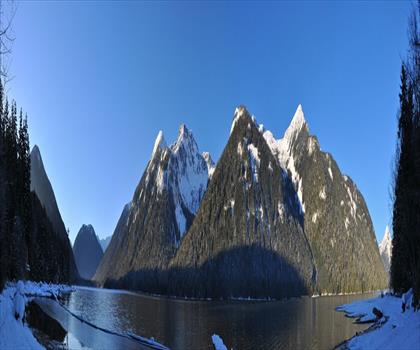
Flora Lake
Vancouver Coast Mountains

Alouette Mountain
Vancouver Coast Mountains
Williamson Lake
Vancouver Coast Mountains
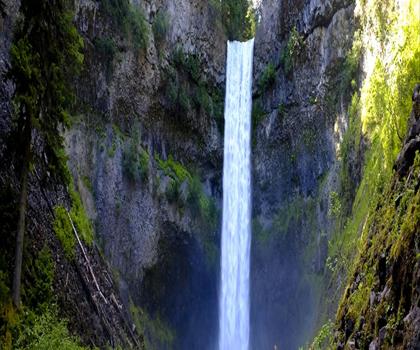
Brandywine Mountain
Vancouver Coast Mountains

Coliseum Mountain
Vancouver Coast Mountains
Hiking near Whistler
160 trails to explore ~0 km away
We work hard to provide the most up-to-date and error-free data possible. If something seems incorrect, let us know! Your contribution helps the whole community.
Hikers' opinions
Be the first to review!
No hiker has shared their experience yet. Share your impressions and help other hikers!