

Ready to explore Whyte Lake Trailhead? Here's everything you need to know before you go!
Discover the trail
Trail description
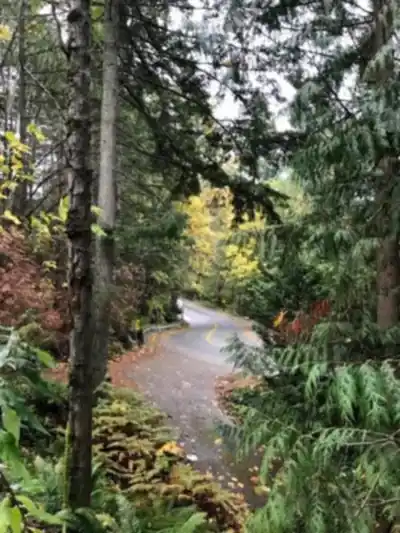
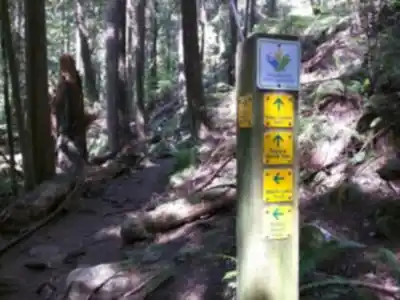
The Whyte Lake Trail delivers one of the most satisfying short hikes in the Vancouver Coast Mountains, offering a perfect balance of forest immersion and lakeside reward. This 5-kilometer round-trip journey through West Vancouver's backcountry feels worlds away from the city, yet remains easily accessible for a quick nature escape.
Trail Experience and Terrain
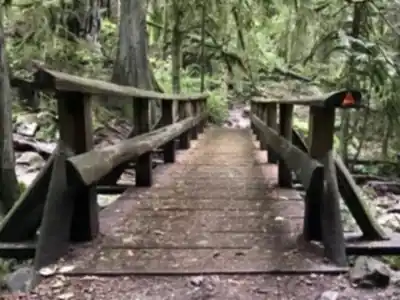
The well-marked trail begins with a gentle ascent through dense coastal forest, where towering Douglas firs and western red cedars create a natural cathedral overhead. The path is well-maintained and wide enough for comfortable hiking, making it genuinely suitable for beginners while still providing the forest experience that draws seasoned hikers back repeatedly.
As you climb the 240 meters of elevation gain, the trail winds through classic Pacific Northwest terrain. The forest floor is carpeted with ferns and moss, creating that quintessential West Coast atmosphere. The grade remains moderate throughout, with no technical sections or scrambling required. Most hikers find the pace relaxed enough to enjoy the surroundings rather than focusing solely on the physical challenge.
The soundscape changes as you progress deeper into the forest. City noise fades completely, replaced by the rustle of leaves in the canopy above and the occasional crack of branches underfoot. Bird songs echo through the trees, and you'll often hear the distinctive tapping of woodpeckers working the older trees. The air carries the fresh, earthy scent of the coastal forest, particularly noticeable after rain when the moss and cedar become more aromatic.
Wildlife and Natural Features
Wildlife encounters add spontaneity to the hike. Squirrels are common along the trail, often bold enough to investigate hikers from nearby branches. The forest supports a variety of bird species, making this trail particularly rewarding for those who enjoy birdsong as a hiking soundtrack. While larger wildlife like deer occasionally use these forest corridors, most animal activity happens during quieter hours.
The forest itself tells the story of the Coast Mountains' ecology. The mix of old-growth characteristics and second-growth areas provides insight into how these coastal forests regenerate. Western red cedars, some impressively large, demonstrate why this species became so central to Pacific Northwest ecosystems and indigenous cultures.
Whyte Lake
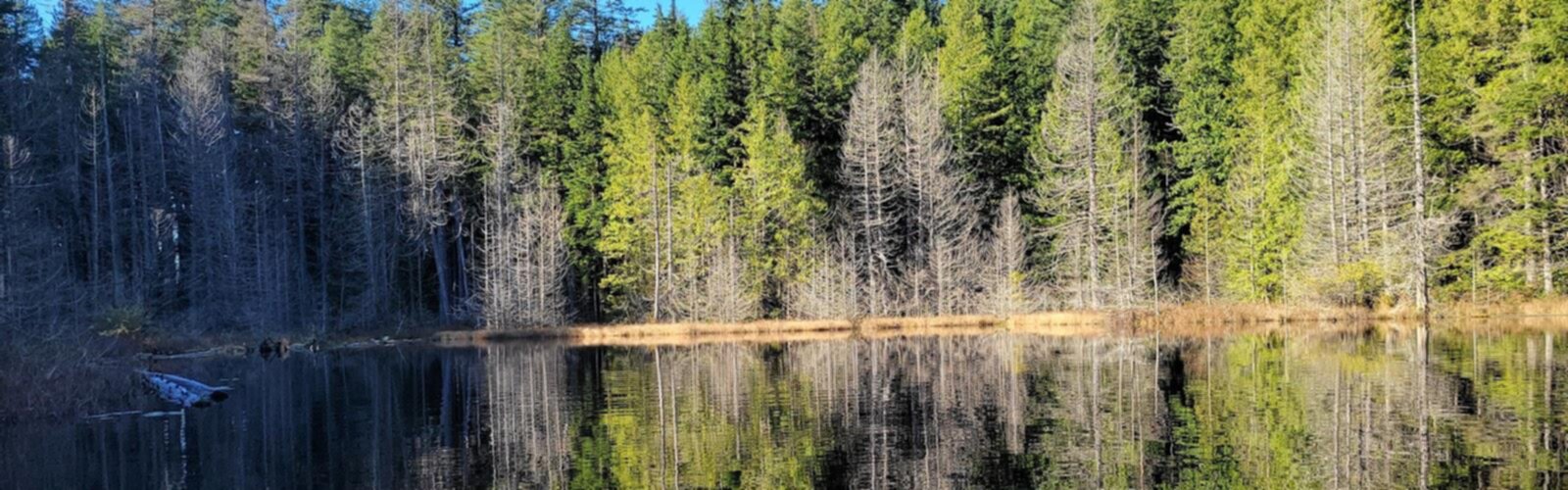
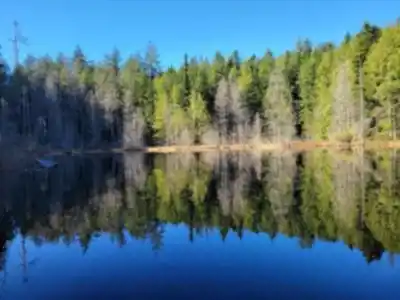
The trail's destination justifies every step of the approach. Whyte Lake sits in a natural bowl surrounded by dense forest, creating an intimate setting that feels completely secluded. The lake's calm waters act as a perfect mirror on still days, reflecting the surrounding trees and sky in sharp detail that makes for compelling photography.
Several wooden benches positioned along the shoreline provide comfortable spots to rest and take in the view. The lake's size makes it feel more like a private retreat than a public destination, even when other hikers are present. The water remains cool throughout the year, fed by mountain runoff and springs.
This lakeside setting works equally well for solitary reflection or group gatherings. The benches can accommodate small groups, and the shoreline offers additional spots for spreading out a picnic. The peaceful atmosphere makes it an ideal place to extend your visit, whether you're reading, sketching, or simply watching the light change on the water's surface.
Access and Parking
The trailhead's location near West Vancouver makes it one of the more convenient mountain experiences accessible from downtown Vancouver. Parking is available at the Nelson Canyon Park parking lot, which serves as the staging area for the hike. This parking arrangement means you won't be searching for roadside spots or dealing with residential parking restrictions.
The proximity to Vancouver makes this trail particularly valuable for after-work hikes during longer summer days or weekend mornings when you want a nature experience without committing to a full day in the mountains. The drive from downtown Vancouver typically takes 30-45 minutes depending on traffic and your specific starting point.
Practical Considerations
Sturdy hiking shoes provide the best foundation for this trail, though the path doesn't require technical footwear. The forest environment means the trail can remain damp even during dry periods, and fallen leaves can create slippery conditions, particularly on any steeper sections.
Water remains essential despite the relatively short distance. The elevation gain and forest environment can be more demanding than the distance suggests, particularly on warmer days when the tree cover traps humidity. Snacks help maintain energy levels and extend your time at the lake without feeling rushed to return.
The trail's popularity means you'll likely encounter other hikers, particularly on weekends and during peak seasons. However, the lake area provides enough space that it rarely feels crowded, and the forest setting naturally disperses groups along the route.
Environmental Responsibility
The trail's accessibility makes environmental stewardship particularly important. Staying on designated paths protects the understory vegetation and prevents the trail widening that can damage root systems of the large trees. The coastal forest ecosystem here is more delicate than it appears, with shallow soils and complex relationships between plants that can be disrupted by foot traffic.
Pack-out principles apply especially to food waste, which can attract wildlife and alter their natural behavior patterns. The pristine condition of Whyte Lake depends on every visitor taking responsibility for their impact.
This combination of accessibility, natural beauty, and genuine mountain atmosphere makes Whyte Lake Trail a standout option in the Vancouver area's extensive hiking network. The trail delivers a complete forest-to-lake experience that satisfies both the need for physical activity and the desire for natural immersion, all within a timeframe that fits easily into most schedules.
The Essential Hiking Checklist
Everything you need for your next hike. Bilingual, printable, 1 page.
Get your free hiking checklistRecommended gear for this trail
As an Amazon Associate I earn from qualifying purchases.


Ready to go?
Everything you need to know before you goStarting Point
The whyte lake trailhead is located in the community of Pemberton, British Columbia. To get there, take Highway 99 north from Vancouver to Pemberton. Turn left onto Portage Road and drive for about 5 km until you reach the trailhead parking lot on the right.
When?
How much?
As an Amazon Associate I earn from qualifying purchases.
Affiliate links — LGPO may earn a commission at no extra cost to you.
- Hiking shoes Essential
- → Salomon Elixir Tour Mid WP · 203.38 $
- Layered clothing Essential
- Rain jacket Essential
- Trekking poles
- → Black Diamond Trail Ergo Cork · 69.99 $
- Headlamp
- → Petzl Actik Core 625 · 103.95 $
FAQ - Frequently asked questions
Everything you need to knowSimilar hikes nearby
Discover other trails you might enjoy
Bridle Path
Vancouver Coast Mountains
Flora Lake
Vancouver Coast Mountains

Alouette Mountain
Vancouver Coast Mountains
Williamson Lake
Vancouver Coast Mountains
Brandywine Mountain
Vancouver Coast Mountains

Coliseum Mountain
Vancouver Coast Mountains
Hiking near Vancouver
235 trails to explore ~13 km away
We work hard to provide the most up-to-date and error-free data possible. If something seems incorrect, let us know! Your contribution helps the whole community.
Hikers' opinions
Be the first to review!
No hiker has shared their experience yet. Share your impressions and help other hikers!