
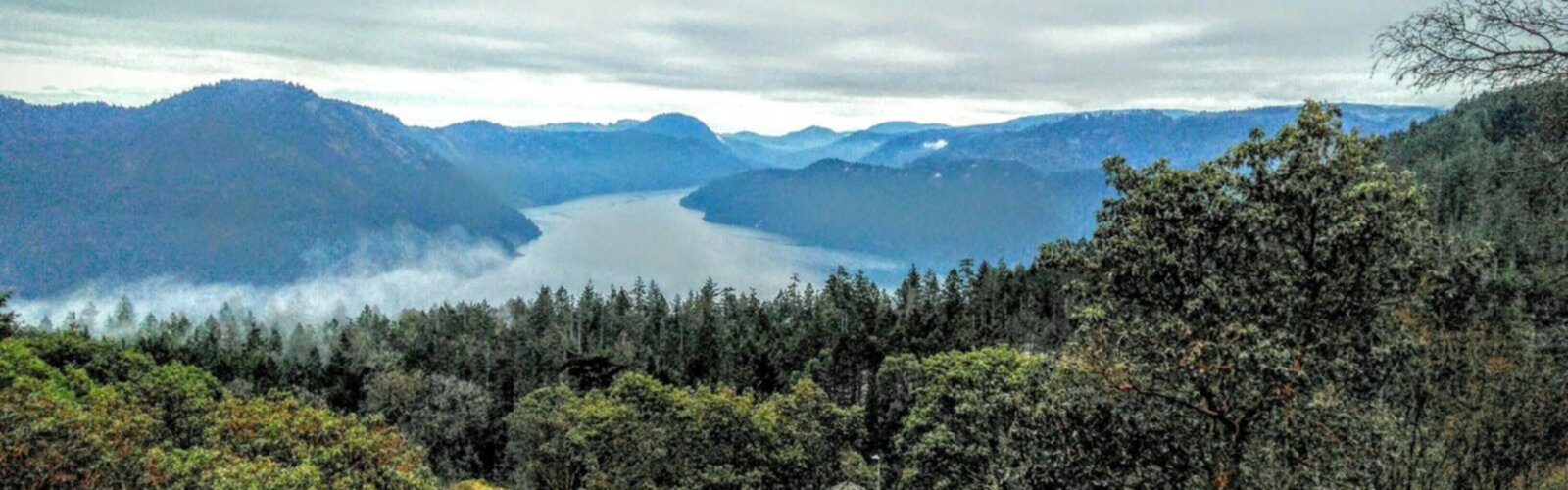

Ready to explore Cowichan Valley? Here's everything you need to know before you go!
Discover the trail


Trail description
The Cowichan Valley stretches across the heart of Vancouver Island, offering some of the most diverse hiking terrain you'll find in British Columbia. This isn't just one trail—it's an entire network of paths that wind through old-growth forests, alongside rushing rivers, and up mountainsides that reward climbers with sweeping views of the Salish Sea.
What sets the Cowichan Valley apart from other Vancouver Island destinations is its incredible variety packed into a relatively compact area. You can start your morning on a gentle riverside walk, spend your afternoon climbing to panoramic viewpoints, and finish the day exploring one of the world's most impressive wooden trestles. The valley's temperate climate and well-maintained trail system make it accessible year-round, though each season brings its own character to the landscape.
Kinsol Trestle and Forest Trails
The Kinsol Trestle stands as one of the tallest free-standing timber trestles anywhere in the world, and it's become the valley's most recognizable landmark. But this engineering marvel is more than just a photo opportunity—it serves as a hub for multiple trail systems that branch out into the surrounding forest.
The approach to the trestle takes you through dense stands of Douglas fir and western red cedar, some of which have been growing for centuries. The forest floor here stays relatively clear thanks to the thick canopy above, making navigation straightforward even for newer hikers. Once you reach the trestle itself, you'll understand why it draws visitors from across the province. The structure spans the Koksilah River valley, offering views that stretch in every direction.
From the trestle, several trails continue deeper into the forest. These paths vary in difficulty and length, but most follow old logging roads that have been reclaimed by nature. You'll cross small creeks on wooden bridges, pass through groves where the only sound is your footsteps on the soft forest floor, and emerge at viewpoints that look out over the valley's patchwork of farmland and forest.
Mount Tzouhalem
For hikers seeking more elevation and challenge, Mount Tzouhalem delivers both. The mountain rises directly from the valley floor, and its well-marked trail system accommodates different skill levels and time commitments. The main route to the summit gains about 600 meters of elevation over roughly an hour and a half of steady climbing, making it a solid workout without being overwhelming for most hikers in reasonable shape.
The lower sections of the trail wind through mixed forest, where you'll notice the transition from the valley's agricultural areas to true wilderness. As you climb higher, the trees thin out and the views begin to open up. About halfway to the summit, you'll start catching glimpses of Cowichan Bay through the trees, and these preview views hint at what's waiting above.
The summit of Mount Tzouhalem provides some of the finest panoramic views on southern Vancouver Island. On clear days, you can see across the Cowichan Bay to Salt Spring Island and the other Gulf Islands. To the north, the valley spreads out below you, showing the intricate pattern of rivers, farms, and forest that defines this region. The summit area has several rocky outcrops that make excellent spots for lunch breaks and photography.
Cowichan River Footpath
The Cowichan River Footpath offers a completely different hiking experience from the valley's mountain trails. This riverside route follows the Cowichan River as it meanders through the valley, providing easy walking on mostly flat terrain. The path stays close enough to the water that you'll hear the river throughout your hike, and several spots offer direct access to the riverbank.
This trail showcases the valley's wildlife better than almost anywhere else in the region. The river corridor attracts deer, various bird species, and if you're hiking quietly and paying attention, you might spot river otters playing in the water. The path passes through different ecosystems as it follows the river—from open meadows where wildflowers bloom in spring and summer, to dense riparian forests where massive cottonwoods and maples create cool, shaded walking.
The footpath connects several access points, so you can customize your hike length based on your schedule and energy level. Some sections pass close to residential areas, while others feel completely remote despite being easily accessible from the valley's main roads.
Trail Conditions and Terrain
The Cowichan Valley's trail system benefits from active maintenance by local hiking groups and government agencies. Most paths are well-marked with signs at major junctions, and the popular routes like Mount Tzouhalem have trail markers at regular intervals. The terrain varies significantly depending on which trails you choose, but generally consists of packed earth, some rocky sections, and wooden bridges over streams and wet areas.
During winter months, the lower elevation trails rarely see snow, though they can be muddy after heavy rains. The riverside paths tend to stay in good condition year-round, while the mountain trails may have some slippery sections during wet weather. Summer brings dry, dusty conditions on the more exposed trails, but the forest paths maintain their cool, comfortable walking surfaces.
The moderate difficulty rating reflects the variety of options available here. While some trails like the river footpath remain gentle and accessible to most fitness levels, routes like Mount Tzouhalem require steady endurance and sure footing on steeper sections. The elevation gain on mountain routes can be significant, but the well-graded trails and regular rest spots make the climbs manageable for hikers with reasonable preparation.
Getting the Most from Your Visit
The valley's trail network is extensive enough that you could easily spend several days exploring different routes without repeating yourself. Many hikers find that combining a morning mountain hike with an afternoon riverside walk gives them a complete picture of what the area offers. The contrast between the physical challenge and panoramic views of places like Mount Tzouhalem and the peaceful, wildlife-rich experience of the river trails showcases the valley's diversity.
After your hiking day, the valley's local food and drink scene provides excellent options for refueling. Several wineries and craft breweries operate in the area, many featuring locally-sourced ingredients and regional specialties. These establishments often attract other outdoor enthusiasts, making them natural gathering spots for sharing trail recommendations and comparing notes about the day's adventures.
The Cowichan Valley's combination of accessible trails, diverse terrain, and well-developed amenities makes it an ideal base for exploring Vancouver Island's hiking opportunities while still offering enough variety to keep you busy for days.
The Essential Hiking Checklist
Everything you need for your next hike. Bilingual, printable, 1 page.
Get your free hiking checklistRecommended gear for this trail
As an Amazon Associate I earn from qualifying purchases.


Ready to go?
Everything you need to know before you goStarting Point
The trails at the cowichan valley can be accessed from the Trans-Canada Highway. Take exit #130 and follow the signs to the cowichan valley Trail.
When?
As an Amazon Associate I earn from qualifying purchases.
Affiliate links — LGPO may earn a commission at no extra cost to you.
- Hiking shoes Essential
- → Salomon Elixir Tour Mid WP · 203.38 $
- Layered clothing Essential
- Rain jacket Essential
- Trekking poles
- → Black Diamond Trail Ergo Cork · 69.99 $
- Headlamp
- → Petzl Actik Core 625 · 103.95 $
FAQ - Frequently asked questions
Everything you need to knowSimilar hikes nearby
Discover other trails you might enjoy
Sandbar Trail
Vancouver Island
Old Baldy Mountain Trail
Vancouver Island
Wittys Lagoon
Vancouver Island

Mount Cain
Vancouver Island
Kings Peak
Vancouver Island
Buttle Lake
Vancouver Island
Hiking near Nanaimo
212 trails to explore ~46 km away
We work hard to provide the most up-to-date and error-free data possible. If something seems incorrect, let us know! Your contribution helps the whole community.
Hikers' opinions
Be the first to review!
No hiker has shared their experience yet. Share your impressions and help other hikers!