

Ready to explore Cowichan Vly Trl? Here's everything you need to know before you go!
Discover the trail
Trail description
The Cowichan Valley Trail runs through the heart of Vancouver Island as part of the Trans Canada Trail network, covering 120 kilometers of varied terrain across one of the island's most scenic and ecologically rich corridors. Built along abandoned railway corridors, the trail connects forests, rivers, and communities from the Shawnigan Lake area through Duncan and on to Lake Cowichan, making it one of the most accessible and rewarding multi-use routes on the island.
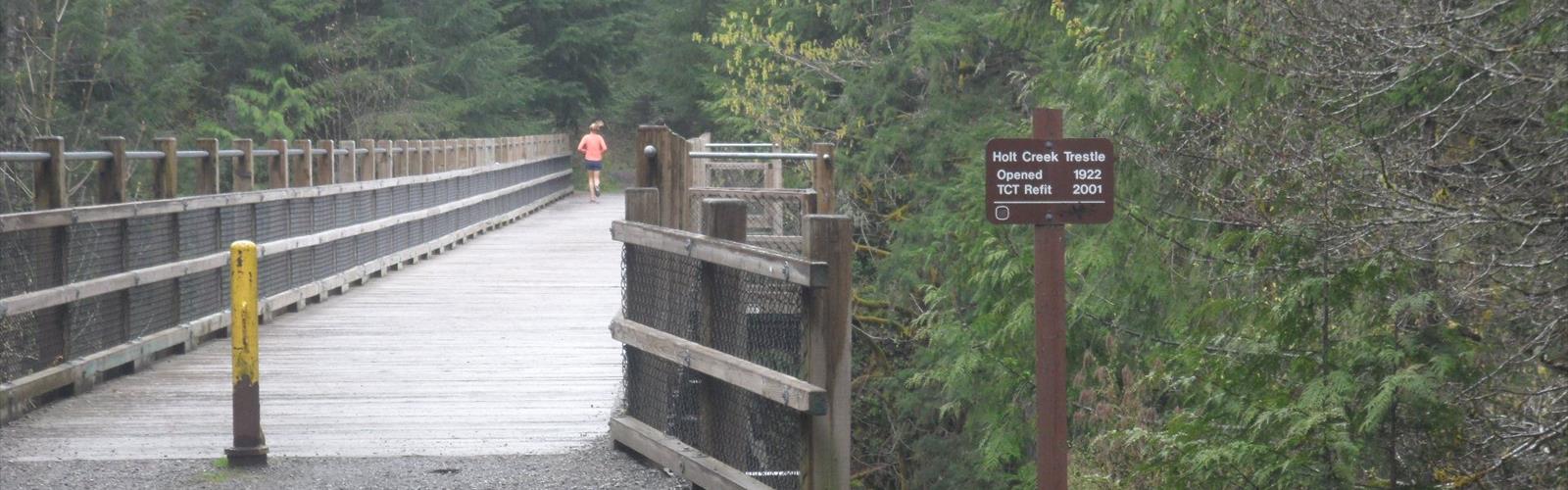
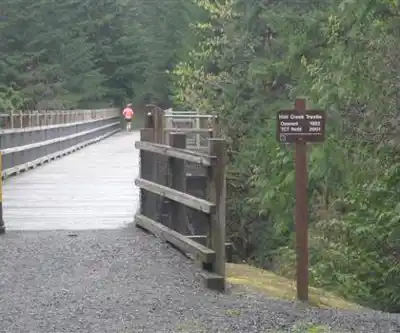
The trail's most iconic feature is the Kinsol Trestle, a massive timber rail structure that rises 44 meters above the Koksilah River and stretches 187 meters across the canyon. It's one of the tallest free-standing timber rail trestles in the world, and standing on it gives you a striking view of the forested valley below. The walk up to the trestle builds naturally — you follow the old railway grade through the trees, and the wooden framework gradually reveals itself before you step out onto the structure itself.
Terrain and Trail Surface
Because the trail follows former railway lines, the grades are gentle throughout most of the route. That said, some sections do involve up to 500 meters of elevation gain, which earns the trail its moderate difficulty rating. The surface shifts between packed gravel, boardwalk sections, and wooden bridges over smaller creeks and wetland crossings. It's well-maintained overall, and the consistent width makes it easy to move at your own pace without feeling crowded by the terrain.
The Koksilah River accompanies a significant portion of the route, and the character of the water changes depending on the season — calm pools in drier months, rushing current after heavy rainfall. These riverside stretches are some of the most pleasant sections to walk, with the sound of moving water and open sightlines that break up the forest canopy.
Forest and Wildlife
The trail moves through dense coastal forest dominated by Douglas fir and western red cedar, with the canopy closing in overhead in a way that feels genuinely immersive rather than just scenic. Meadow openings along the route attract deer, and the tall snags near the river are reliable spots to find bald eagles perched or circling overhead. The mix of forest types and riparian habitat makes this a strong trail for birdwatching, with activity shifting noticeably through the seasons.
Fall brings salmon runs to the river, which in turn draws predators and scavengers and adds a whole different layer of wildlife activity to the experience. Spring wildflowers push through the forest floor and attract butterflies to the more open sections. Winter strips the deciduous trees back and opens up views that are completely hidden during the leafy months.
Accessibility and Who It's For
The sectioned nature of the trail means it works for a wide range of visitors. Families with young children can focus on the Kinsol Trestle area, where parking and facilities make it easy to do a manageable out-and-back without committing to a long day. The gentle railway grades keep most sections accessible even for people who don't hike regularly.
For more experienced hikers, the full 120-kilometer length opens up multi-day itinerary options. The trail's connection to the broader Trans Canada Trail network also means you can link it to other regional routes if you want to extend your trip or approach from a different direction.
Communities Along the Route
The trail passes through or near several communities, which adds a practical and cultural dimension to longer trips. Duncan, known as the City of Totems, is a natural stop for resupply and a worthwhile place to spend time exploring the Indigenous art and totem poles that define the town's character. Lake Cowichan, at the other end of the route, has a quieter lakeside feel and a small-town atmosphere that pairs well with a few days on the trail.
Having these communities accessible along the route means you're not entirely self-sufficient on a multi-day trip — you can grab a meal, restock supplies, or simply take a break from the trail without having to drive back to a trailhead. Local restaurants and shops in both towns reflect the valley's character, and the area's wineries and artisan businesses make for a natural extension of a longer visit.
Planning Your Trip
Most visitors will choose a specific section rather than attempting the full 120 kilometers in one go. The Kinsol Trestle area is the obvious starting point for a first visit — it's the most dramatic section, it's well-signed, and the access is straightforward. Other sections offer their own rewards, particularly the quieter forest and riverside stretches that see less foot traffic.
The trail is accessible year-round, though some facilities may have reduced hours in winter. Each season changes the experience meaningfully — spring and fall tend to offer the most wildlife activity, summer gives you the longest days and warmest conditions, and winter delivers solitude and a stripped-down version of the landscape that has its own appeal.
The Essential Hiking Checklist
Everything you need for your next hike. Bilingual, printable, 1 page.
Get your free hiking checklistRecommended gear for this trail
As an Amazon Associate I earn from qualifying purchases.


Ready to go?
Everything you need to know before you goStarting Point
The Cowichan Valley Trail is located in Duncan, British Columbia. To get to the start of the trails, take Highway 1 to exit 90. Head east on Trunk Road and then turn left on Beverly Street. The trailhead will be on your right.
When?
As an Amazon Associate I earn from qualifying purchases.
Affiliate links — LGPO may earn a commission at no extra cost to you.
- Hiking shoes Essential
- → Salomon Elixir Tour Mid WP · 203.38 $
- Layered clothing Essential
- Rain jacket Essential
- Trekking poles
- → Black Diamond Trail Ergo Cork · 69.99 $
- Headlamp
- → Petzl Actik Core 625 · 103.95 $
FAQ - Frequently asked questions
Everything you need to knowSimilar hikes nearby
Discover other trails you might enjoy
Sandbar Trail
Vancouver Island
Old Baldy Mountain Trail
Vancouver Island
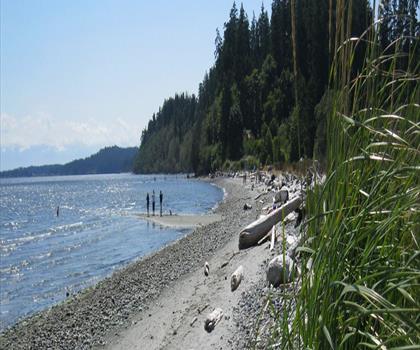
Wittys Lagoon
Vancouver Island

Mount Cain
Vancouver Island
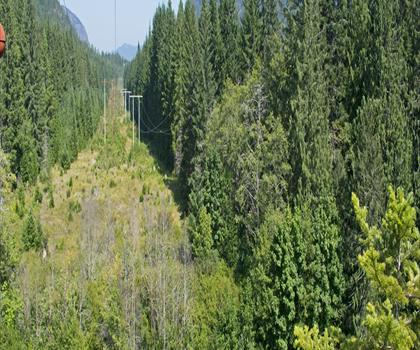
Kings Peak
Vancouver Island
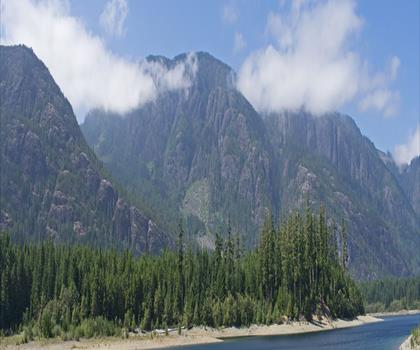
Buttle Lake
Vancouver Island
Hiking near Nanaimo
212 trails to explore ~45 km away
We work hard to provide the most up-to-date and error-free data possible. If something seems incorrect, let us know! Your contribution helps the whole community.
Hikers' opinions
Be the first to review!
No hiker has shared their experience yet. Share your impressions and help other hikers!