

Ready to explore Della Falls? Here's everything you need to know before you go!
Discover the trail

Available trails
| TrailTrails | Dist.Distance | GainElevation | TimeDuration | Difficulty | GPX |
|---|---|---|---|---|---|
|
|
14.71 km | — | 3h30 | GPX |
GPX track: © OpenStreetMap contributors — ODbL 1.0
Trail description
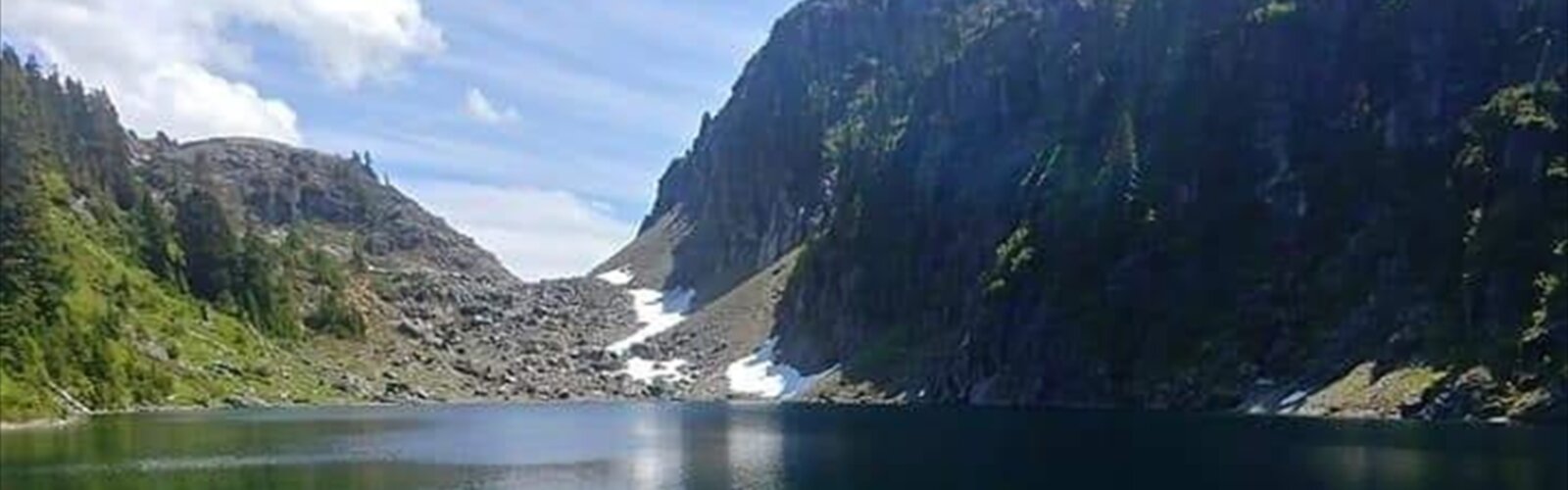
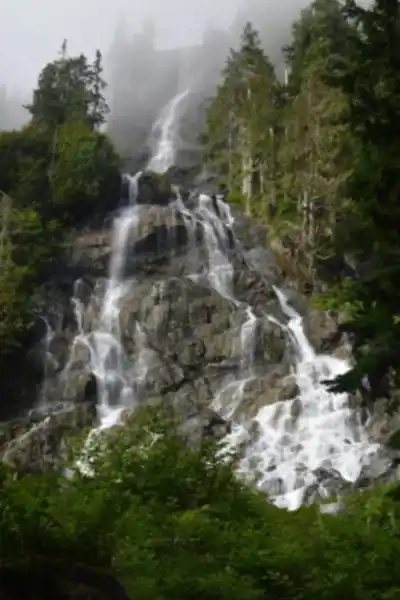
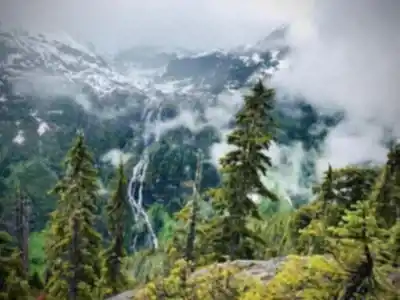
Della Falls commands attention as one of Canada's tallest waterfalls, plunging an impressive 440 meters (1,443 feet) down sheer rock faces into crystal-clear pools below. Located deep within Strathcona Provincial Park on Vancouver Island, this natural wonder rewards determined hikers with one of British Columbia's most spectacular displays of raw natural power.
What sets Della Falls apart from other waterfall destinations isn't just its height—it's the complete wilderness experience required to reach it. This isn't a roadside attraction or a quick day hike. The journey to witness this cascading giant demands commitment, preparation, and respect for backcountry conditions, making the eventual payoff all the more meaningful.
The Multi-Stage Journey
Your adventure begins before you even set foot on the trail. The only way to reach the trailhead is via a scenic boat ride across Great Central Lake, immediately immersing you in the remote character of this destination. This water crossing serves as a natural gateway, separating the developed world from the pristine wilderness that awaits.
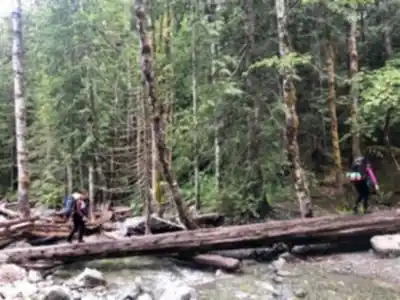
Once you disembark at the far end of the lake, the real hiking begins. The trail stretches approximately 15 kilometers (9 miles) one way through some of Vancouver Island's most untouched terrain. This isn't a manicured path—expect rugged conditions that demand experience with backcountry navigation and wilderness travel. The route follows along picturesque riverbanks and winds through dense coastal rainforest, where towering Douglas firs and western red cedars create a living cathedral overhead.
The terrain varies significantly throughout the hike. You'll navigate root-strewn forest floors, cross streams on fallen logs, and pick your way over rocky sections where the trail becomes less defined. The path can be muddy and slippery, particularly after rain, and several creek crossings may require careful rock-hopping or wading depending on water levels.
Wildlife and Natural Environment
The forests surrounding the Della Falls trail showcase British Columbia's rich biodiversity in full display. Ancient trees draped in moss create an almost primordial atmosphere, while the understory bursts with ferns, salmonberry, and devil's club. This lush environment supports a diverse array of wildlife that hikers should be prepared to encounter.
Black bears are common throughout this region, making proper food storage and bear awareness essential. Deer frequently browse in the more open areas along the route, and the keen observer might spot signs of elk or even the occasional wolf track. The area's bird life is equally impressive, with Steller's jays calling from the canopy, varied thrushes singing their haunting songs, and the possibility of spotting a great blue heron along the waterways.
The sound of rushing water accompanies much of the hike, as numerous smaller cascades and rapids provide a constant soundtrack to your journey. These smaller water features offer preview glimpses of the main attraction while providing opportunities to refill water bottles and cool overheated feet.
The Waterfall Experience
After hours of forest hiking, the trees suddenly open to reveal Della Falls in all its towering glory. The waterfall doesn't just drop—it thunders down the rock face in multiple tiers, creating a mist that can be felt from hundreds of meters away. The sheer scale becomes apparent as you crane your neck upward, trying to take in the full 440-meter drop from base to summit.
The viewing area at the base provides the perfect spot to rest, refuel, and absorb the magnitude of what you've reached. The pools below the falls are crystal clear and surprisingly deep, carved by millennia of falling water. The surrounding rock walls create a natural amphitheater that amplifies the sound of cascading water into a constant, powerful roar.
Photography enthusiasts will find endless opportunities here, though capturing the full height of the falls in a single frame requires careful positioning and possibly a wide-angle lens. The mist creates rainbow effects on sunny days, while the surrounding cliffs and forest provide dramatic framing for the waterfall shots.
Planning Your Visit
Summer months offer the most favorable conditions for attempting this hike, with better weather and optimal trail conditions. However, even during the best season, weather can change rapidly in these mountainous regions, so checking current conditions before departure is essential.
Given the 15-kilometer one-way distance and challenging terrain, most hikers treat this as a multi-day backpacking trip rather than attempting it as a day hike. The trail offers several suitable camping spots along the route, allowing you to break up the journey and fully immerse yourself in the wilderness experience.
Essential Preparation
This hike demands serious preparation and appropriate gear. Sturdy, broken-in hiking boots are non-negotiable given the rough terrain and potential for wet conditions. Weather-appropriate clothing should include rain gear regardless of the forecast, as conditions can deteriorate quickly in this coastal mountain environment.
Bring significantly more water and food than you think you'll need. The physical demands of navigating rough terrain for extended periods burn calories quickly, and having extra supplies provides a crucial safety margin. Water purification tablets or a reliable filter allow you to safely use the numerous water sources along the route.
Navigation skills and equipment are essential, as the trail can become indistinct in places. A detailed topographic map, compass, and GPS device should all be part of your kit. If you're unfamiliar with backcountry navigation, seriously consider hiring a local guide who knows the route intimately.
Bear safety equipment, including bear spray and proper food storage containers, isn't optional in this region. Practice Leave No Trace principles religiously—this pristine environment depends on every visitor's commitment to preserving its untouched character for future adventurers.
The Essential Hiking Checklist
Everything you need for your next hike. Bilingual, printable, 1 page.
Get your free hiking checklistRecommended gear for this trail
As an Amazon Associate I earn from qualifying purchases.


Ready to go?
Everything you need to know before you goStarting Point
The start of the trails at the della falls can be accessed from Port Alberni. From there, take Highway 4 west to the junction of Highway 4 and Highway 28. Head north on Highway 28 to Campbell River and then take the ferry from Campbell River to Quadra Island. From Quadra Island, take the Heriot Bay Road north to della falls.
When?
How much?
As an Amazon Associate I earn from qualifying purchases.
Affiliate links — LGPO may earn a commission at no extra cost to you.
- Hiking shoes Essential
- → Salomon Elixir Tour Mid WP · 203.38 $
- Layered clothing Essential
- Rain jacket Essential
- Trekking poles
- → Black Diamond Trail Ergo Cork · 69.99 $
- Headlamp
- → Petzl Actik Core 625 · 103.95 $
FAQ - Frequently asked questions
Everything you need to knowSimilar hikes nearby
Discover other trails you might enjoy
Sandbar Trail
Vancouver Island
Old Baldy Mountain Trail
Vancouver Island
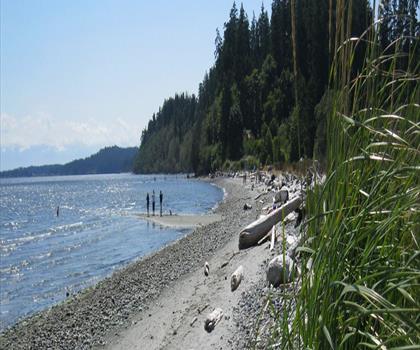
Wittys Lagoon
Vancouver Island

Mount Cain
Vancouver Island
Kings Peak
Vancouver Island
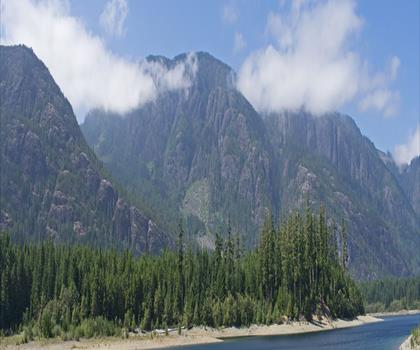
Buttle Lake
Vancouver Island
Hiking near Nanaimo
212 trails to explore ~120 km away
We work hard to provide the most up-to-date and error-free data possible. If something seems incorrect, let us know! Your contribution helps the whole community.
Hikers' opinions
Be the first to review!
No hiker has shared their experience yet. Share your impressions and help other hikers!