
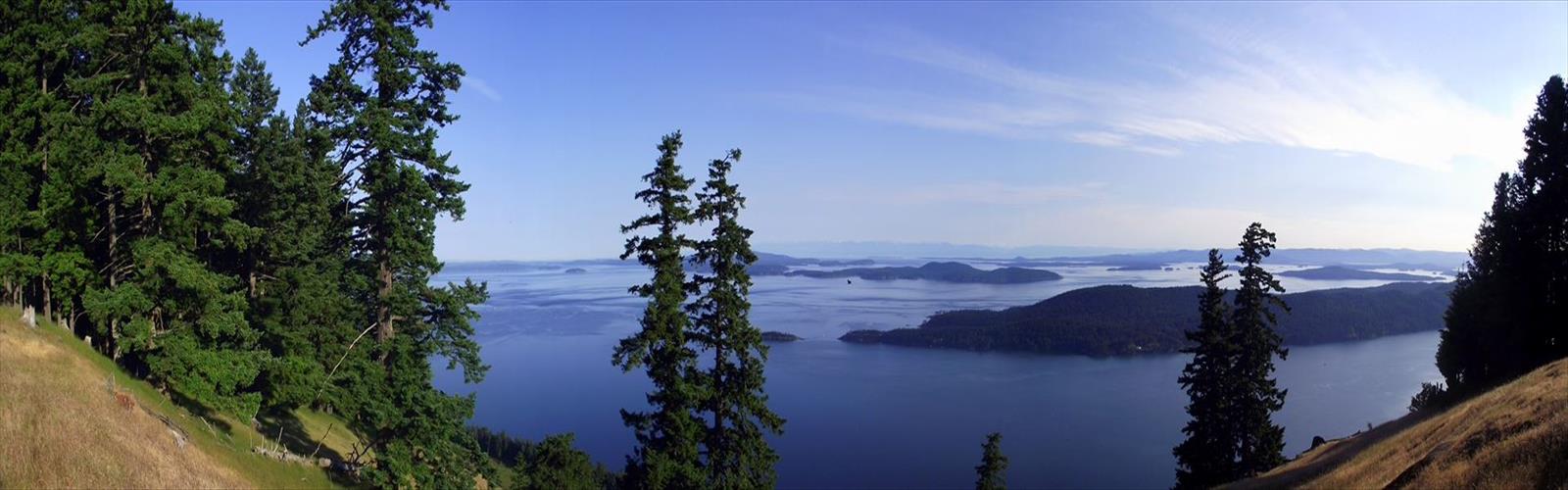

Ready to explore Gulf Islands National Park Reserve? Here's everything you need to know before you go!
Discover the trail

Trail description
Gulf Islands National Park Reserve spreads across 15 islands and numerous islets between Vancouver Island and the British Columbia mainland, protecting some of the most ecologically diverse and scenic landscapes in the Pacific Northwest. This archipelago offers hikers everything from challenging summit climbs to gentle coastal walks, all set against the backdrop of the island-dotted Salish Sea.
Trail Highlights and Terrain
The park's trail network showcases the remarkable diversity of Gulf Islands ecosystems. Mount Norman Trail on South Pender Island stands out as the premier hiking destination, delivering panoramic views that sweep across the Salish Sea to the Olympic Mountains and San Juan Islands. This moderately challenging trail climbs steadily through second-growth Douglas fir forest before emerging onto exposed rocky bluffs where arbutus trees cling to the cliffsides. The ascent covers varied terrain, from soft forest floor carpeted with fallen needles to exposed granite sections that require careful footing. The summit rewards hikers with 360-degree views that on clear days extend from Mount Baker to the Coast Mountains.
For those seeking a more relaxed experience, Sidney Spit offers gentle paths that wind through coastal meadows and along pristine sandy beaches. The spit itself is a fascinating geological feature—a long finger of sand and gravel that extends into Haro Strait, creating protected lagoons perfect for birdwatching. The walking here is easy and flat, making it ideal for families or anyone wanting to combine hiking with beachcombing.
The park's lush forests create cathedral-like spaces where massive Douglas firs tower overhead, their understory carpeted with salal, Oregon grape, and seasonal wildflowers. Trail surfaces vary dramatically depending on your chosen route—from well-maintained gravel paths suitable for most fitness levels to rugged single-track that winds over exposed bedrock and through dense coastal forest. Along the rugged shorelines, you'll encounter a completely different world where wind-sculpted shore pines and hardy coastal plants have adapted to salt spray and rocky terrain. These diverse landscapes mean that even short hikes offer constantly changing scenery and terrain challenges.
Wildlife and Natural Features
The Gulf Islands sit along the Pacific Flyway, making them exceptional for wildlife viewing throughout the year. Bald eagles are year-round residents, often seen perched in tall snags or soaring on thermals above the islands. The surrounding waters teem with marine life—harbor seals and sea lions frequently haul out on rocky shores and can be spotted from many coastal trails. Patient hikers often witness these marine mammals fishing in the kelp beds visible from elevated viewpoints.
During summer months, the meadows burst with wildflowers including camas, chocolate lilies, and shooting stars. These Garry oak ecosystems are among Canada's most endangered habitats, making the park's protected meadows particularly significant. The diverse plant communities support an impressive array of butterflies, including the rare Taylor's checkerspot. Walking through these meadows feels like stepping into a natural garden, with the sweet fragrance of wildflowers mixing with the salt air from nearby shores.
Tide pools along rocky shores reveal another layer of biodiversity. Low tide exposes colorful sea stars, anemones, and hermit crabs in natural aquariums carved into the bedrock. Many trails provide easy access to these intertidal zones, adding an educational component to your hiking experience. The contrast between the terrestrial hiking experience and these marine discoveries makes each outing feel like multiple adventures in one.
Access and Transportation
Reaching Gulf Islands National Park Reserve requires ferry travel, which adds to the adventure but requires planning. BC Ferries provides regular service from Vancouver Island to the various Gulf Islands. South Pender Island, home to Mount Norman Trail, is accessible via Swartz Bay to Otter Bay with a connecting ferry. Sidney Spit is reached by seasonal passenger ferry from Sidney on Vancouver Island.
Ferry schedules vary seasonally and can fill up during peak summer months, so advance reservations are recommended for vehicles. Foot passengers generally don't need reservations but should check current schedules. The ferry rides themselves offer spectacular scenery and wildlife viewing opportunities, with orcas, porpoises, and seabirds commonly spotted from the decks. Many hikers find the ferry journey becomes an integral part of their outdoor experience, providing time to decompress and transition into island time.
What to Expect on the Trail
Hiking in the Gulf Islands feels distinctly different from mainland mountain experiences. The maritime environment creates a unique atmosphere where forest trails suddenly open to dramatic ocean vistas, and the sound of waves often accompanies your footsteps. Trail conditions can change rapidly due to coastal weather—morning fog might give way to brilliant sunshine, transforming the entire character of your hike.
The relatively compact nature of the islands means you're never far from civilization, yet the protected park areas maintain a wild, pristine feeling. Many trails offer multiple bailout points or shorter loop options, making it easy to adjust your plans based on weather, energy levels, or ferry schedules. The combination of forest, meadow, and shoreline environments means you'll encounter different microclimates and ecosystems within a single outing.
Practical Considerations
The Gulf Islands' maritime climate means weather can change quickly. Even on warm summer days, coastal areas can be significantly cooler and windier than inland locations. Layer your clothing and bring a windproof jacket, especially for exposed areas like Mount Norman's summit or Sidney Spit's beaches. The elevation changes, while moderate, can create noticeable temperature differences between trailheads and high points.
Water sources are limited on many islands, so carry plenty of water for your hikes. The rocky terrain and coastal exposure can be more demanding than distances suggest, particularly on trails like Mount Norman where you'll encounter steep sections and potentially slippery rock faces. Sturdy hiking boots with good grip are recommended for most trails, as wet rock and root systems can create slippery conditions even in dry weather.
Tides significantly affect coastal hiking experiences. Check tide tables before visiting Sidney Spit or planning any shoreline exploration—low tides reveal the best tide pooling opportunities and make beach walking easier, while high tides can limit access to some areas. The interplay between tides and trail access adds an extra dimension to trip planning that mainland hikers might not be accustomed to.
Accommodation and Extended Stays
While day trips are certainly possible, staying overnight allows you to experience the islands' peaceful evening and early morning atmosphere. Camping options are available on several islands, with Prior Centennial Campground on North Pender Island being particularly popular among hikers. The campground provides easy access to multiple trail systems and stunning sunset views over the water.
Various bed and breakfasts, vacation rentals, and small resorts operate throughout the Gulf Islands, offering comfortable bases for multi-day hiking adventures. Booking well in advance is essential during summer months when accommodation fills quickly. Many hikers find that staying multiple days allows them to explore different islands and experience the varying character each one offers.
Conservation and Respect
Gulf Islands National Park Reserve protects some of British Columbia's most threatened ecosystems. The Garry oak meadows you'll walk through exist nowhere else in Canada and support numerous species at risk. Stay on designated trails to avoid damaging fragile plant communities, and resist the urge to pick wildflowers or disturb wildlife. These ecosystems are particularly vulnerable due to their limited range and the pressures of island environments.
The marine environment is equally sensitive. When exploring tide pools, look but don't touch—even brief handling can stress or injure these creatures. Replace any rocks you lift to examine underneath, as many organisms depend on these specific microhabitats. The interconnected nature of island ecosystems means that small impacts can have outsized effects on the overall ecological balance.
Following Leave No Trace principles is essential in this island environment where ecosystems are particularly vulnerable to human impact. Pack out all trash, respect wildlife viewing distances, and help preserve these remarkable landscapes for future generations of hikers to discover and enjoy.
The Essential Hiking Checklist
Everything you need for your next hike. Bilingual, printable, 1 page.
Get your free hiking checklistRecommended gear for this trail
As an Amazon Associate I earn from qualifying purchases.


Ready to go?
Everything you need to know before you goStarting Point
The gulf islands national park reserve is located in British Columbia, Canada. The best way to get to the start of the trails is to drive to the park reserve and then park in the parking lot. From there, you can hike or bike to the start of the trails.
When?
As an Amazon Associate I earn from qualifying purchases.
Affiliate links — LGPO may earn a commission at no extra cost to you.
- Hiking shoes Essential
- → Salomon Elixir Tour Mid WP · 203.38 $
- Layered clothing Essential
- Rain jacket Essential
- Trekking poles
- → Black Diamond Trail Ergo Cork · 69.99 $
- Headlamp
- → Petzl Actik Core 625 · 103.95 $
FAQ - Frequently asked questions
Everything you need to knowSimilar hikes nearby
Discover other trails you might enjoy
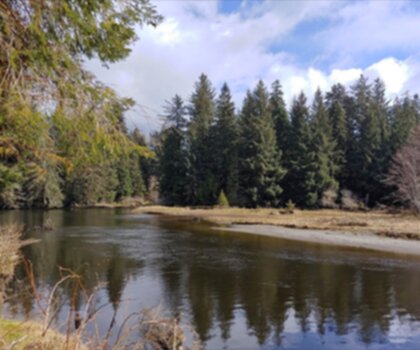
Sandbar Trail
Vancouver Island
Old Baldy Mountain Trail
Vancouver Island
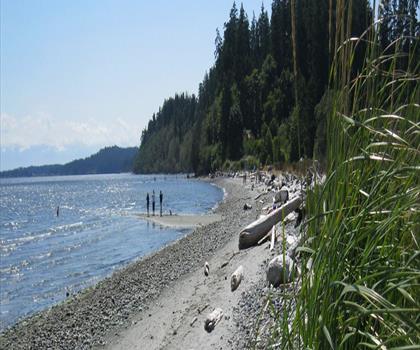
Wittys Lagoon
Vancouver Island

Mount Cain
Vancouver Island
Kings Peak
Vancouver Island
Buttle Lake
Vancouver Island
Hiking near Victoria
93 trails to explore ~43 km away
We work hard to provide the most up-to-date and error-free data possible. If something seems incorrect, let us know! Your contribution helps the whole community.
Hikers' opinions
Be the first to review!
No hiker has shared their experience yet. Share your impressions and help other hikers!