
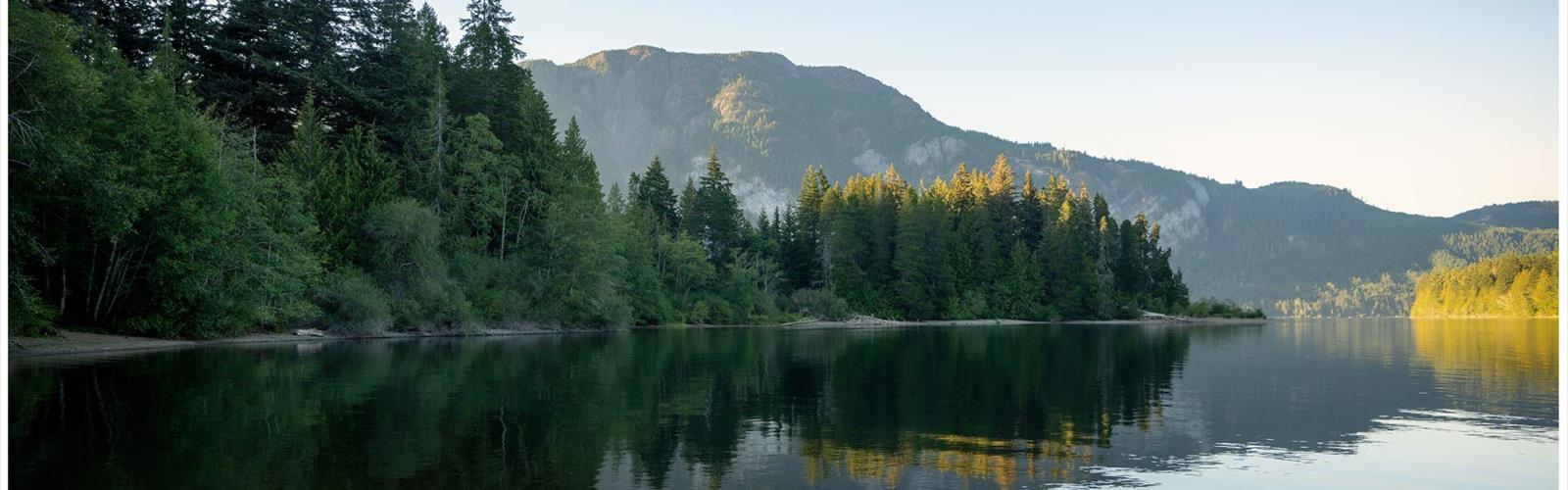

Ready to explore Horne Lake? Here's everything you need to know before you go!
Discover the trail
Trail description
Horne Lake sits in the forested interior of Vancouver Island, offering a diverse outdoor playground that combines hiking trails, underground cave systems, and peaceful water activities. Located just a short drive from Qualicum Beach, this area feels remarkably removed from coastal development, surrounded by the dense second-growth forests and limestone geology that characterize this part of the island.
The lake itself anchors a landscape shaped by both ancient geological forces and more recent logging history. Towering Douglas firs and western red cedars frame the shoreline, while the underlying limestone bedrock has created the extensive cave system that draws visitors from across the province. The combination of forest, water, and underground features makes Horne Lake unique among Vancouver Island's outdoor destinations.
Trail Network and Hiking Experience
The trail system around Horne Lake accommodates hikers of varying experience levels, from families looking for gentle forest walks to those seeking more challenging terrain. The main hiking route covers approximately 2.5 kilometers with 135 meters of elevation gain, making it an easy trail that most hikers can complete in about an hour and fifteen minutes.
The paths wind through lush coastal rainforest, where the understory thrives with salmonberry, ferns, and moss-covered fallen logs that create natural bridges and obstacles along the way. The forest floor feels soft underfoot, cushioned by decades of fallen needles and decomposing organic matter that characterizes these temperate rainforest environments.
Starting from the main trailhead, hikers follow well-marked paths that initially stay relatively flat near the lakeshore. These sections offer excellent opportunities to spot the diverse wildlife that inhabits the area, including black bears, deer, and various bird species that thrive in the mixed forest environment. The forest canopy filters sunlight into dappled patterns on the trail, creating excellent photography opportunities throughout the day.
As the trail progresses, gentle elevation gains lead to viewpoints where the forest opens up to reveal glimpses of the surrounding landscape. These elevated sections provide perspectives over the lake and the rolling forested hills that extend toward the island's mountainous spine. Despite the modest elevation gain, hikers get a genuine sense of the area's topography and the vast forest that stretches in all directions.
Trail conditions vary seasonally, with spring bringing muddy sections as snowmelt and rain saturate the forest floor. Summer and early fall typically offer the most reliable footing, though the dense forest canopy keeps most trails relatively dry even during light rain. Winter hiking is possible but requires appropriate gear for wet conditions and shorter daylight hours.
Horne Lake Caves Provincial Park
The cave system represents the area's most distinctive feature, formed over millennia as slightly acidic groundwater dissolved the limestone bedrock. Horne Lake Caves Provincial Park protects these underground formations and provides guided tours that allow safe exploration of chambers and passages that would otherwise require specialized caving equipment and expertise.
The guided tours reveal intricate limestone formations, including stalactites, stalagmites, and flowstone deposits that demonstrate the ongoing geological processes shaping the underground environment. Tour guides explain the formation process and the delicate ecosystem that exists within the caves, including the bats and other creatures that call these chambers home.
Different tour options cater to various comfort levels and physical abilities. Some tours remain in well-lit, easily accessible chambers, while others venture into more challenging sections that require crawling through narrow passages and navigating uneven surfaces. The constant cool temperature inside the caves provides a refreshing contrast to warm summer days and requires bringing appropriate layers regardless of outside weather.
Water Activities and Lake Access
Horne Lake's calm waters create ideal conditions for paddling activities, particularly for those new to kayaking or canoeing. The lake's protected location means wind rarely creates challenging conditions, and the relatively small size allows paddlers to explore the entire shoreline during a single outing.
The lake's clear water reveals the rocky bottom in shallow areas, while deeper sections reflect the surrounding forest canopy. Paddling close to shore provides opportunities to observe wildlife coming to drink and to explore small inlets and bays that aren't visible from the main hiking trails. The peaceful environment makes this an excellent location for those seeking a meditative paddling experience.
Water temperatures remain cool throughout the year due to the lake's depth and forest shading, making swimming more appealing during the warmest summer months. The rocky shoreline provides several access points for launching watercraft, though some areas require carrying boats over uneven terrain.
Camping and Extended Stays
Several campgrounds in the area allow visitors to extend their Horne Lake experience beyond a day trip. These facilities range from basic sites with minimal amenities to more developed campgrounds with washrooms and potable water. The forested setting provides natural privacy between sites while maintaining the sense of being immersed in the island's wilderness.
Camping here offers the opportunity to experience the forest's nighttime sounds and early morning wildlife activity that day visitors typically miss. The lack of significant light pollution allows for excellent stargazing on clear nights, with the Milky Way often visible through breaks in the forest canopy.
Evening campfires are permitted in designated areas during appropriate seasons, creating opportunities to extend outdoor time after hiking and paddling activities conclude. The combination of activities available makes Horne Lake well-suited for multi-day visits that can include different pursuits each day.
Access and Planning Considerations
The drive from Qualicum Beach takes visitors through a transition from coastal communities into the island's forested interior. The access road is well-maintained but becomes more winding as it approaches the lake, requiring attention to oncoming traffic and wildlife that may cross the roadway.
Parking areas accommodate the various activities, though spaces can fill during peak summer weekends and holiday periods. Arriving early in the day or visiting during weekdays typically ensures better parking availability and a less crowded experience on trails and water.
The area's popularity means that advance planning becomes important during busy periods, particularly for camping reservations and cave tours. The combination of activities attracts diverse groups, from serious hikers and cavers to families seeking gentle outdoor experiences, creating a welcoming atmosphere for various outdoor interests.
The Essential Hiking Checklist
Everything you need for your next hike. Bilingual, printable, 1 page.
Get your free hiking checklistRecommended gear for this trail
As an Amazon Associate I earn from qualifying purchases.


Ready to go?
Everything you need to know before you goStarting Point
The start of the trails at the horne lake can be accessed by driving north on Highway 19 from Campbell River and turning left onto horne lake Road. The trailhead is located at the end of the road.
When?
As an Amazon Associate I earn from qualifying purchases.
Affiliate links — LGPO may earn a commission at no extra cost to you.
- Hiking shoes Essential
- → Salomon Elixir Tour Mid WP · 203.38 $
- Layered clothing Essential
- Rain jacket Essential
- Trekking poles
- → Black Diamond Trail Ergo Cork · 69.99 $
- Headlamp
- → Petzl Actik Core 625 · 103.95 $
FAQ - Frequently asked questions
Everything you need to knowSimilar hikes nearby
Discover other trails you might enjoy
Sandbar Trail
Vancouver Island
Old Baldy Mountain Trail
Vancouver Island
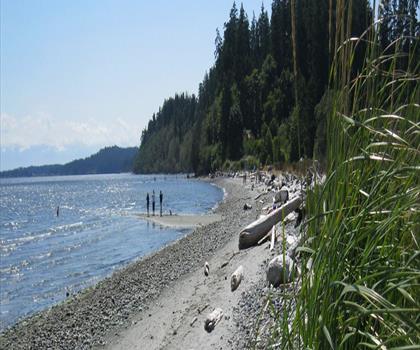
Wittys Lagoon
Vancouver Island

Mount Cain
Vancouver Island
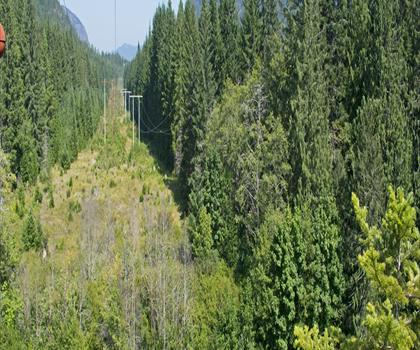
Kings Peak
Vancouver Island
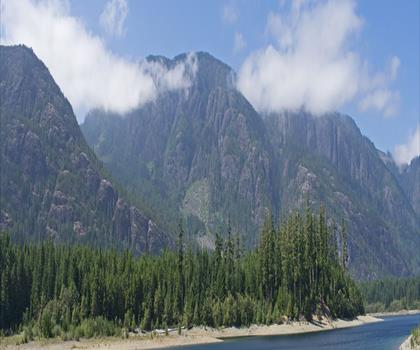
Buttle Lake
Vancouver Island
Hiking near Nanaimo
212 trails to explore ~60 km away
We work hard to provide the most up-to-date and error-free data possible. If something seems incorrect, let us know! Your contribution helps the whole community.
Hikers' opinions
Be the first to review!
No hiker has shared their experience yet. Share your impressions and help other hikers!