
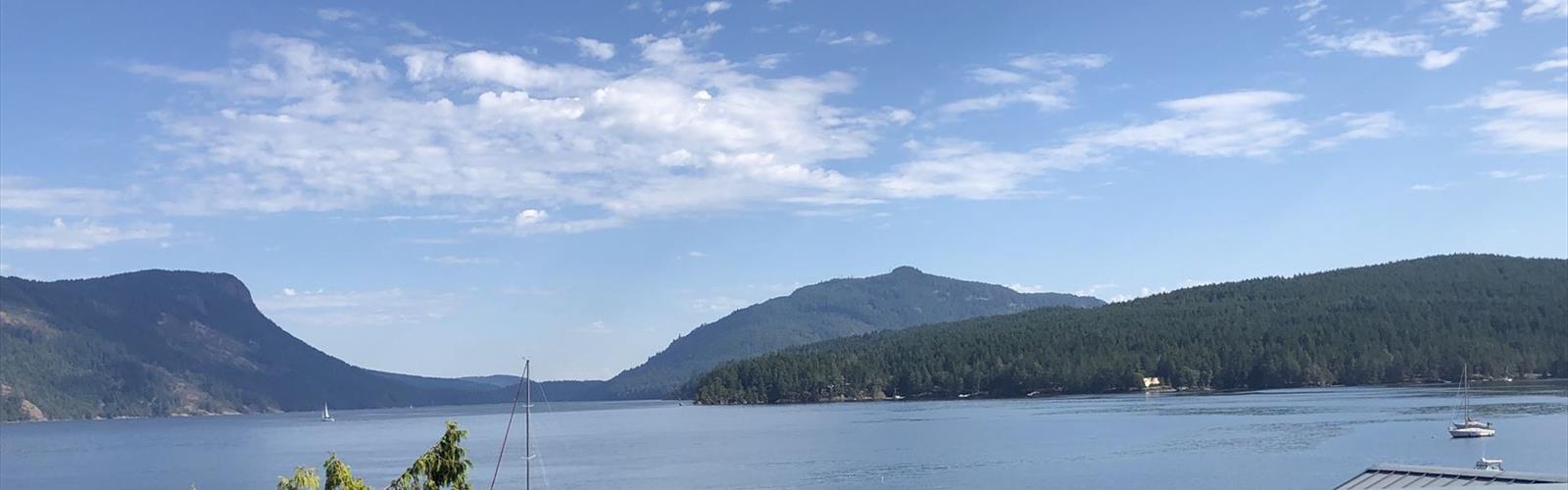

Ready to explore Maple Mountain? Here's everything you need to know before you go!
Discover the trail

Trail description
Maple Mountain rises quietly from the heart of Vancouver Island's Cowichan Valley Regional District, offering hikers a genuine escape into the island's diverse forest ecosystems. This lesser-known destination attracts outdoor enthusiasts who appreciate well-maintained trails without the crowds found at more popular peaks. The mountain's 489-meter elevation gain provides a satisfying workout while remaining accessible to hikers with moderate experience levels, making it an ideal choice for a focused afternoon adventure.
Trail System and Terrain
The mountain features a network of well-maintained paths that wind through different forest zones as you gain elevation. Lower sections of the trail take you through dense coastal forest where towering Douglas firs and western red cedars create a natural canopy overhead. The understory here is rich with ferns, salal, and seasonal wildflowers that add color to the forest floor.
As you climb higher, the forest composition shifts, and you'll notice the maple trees that give the mountain its name becoming more prominent. During autumn months, these deciduous trees create spectacular displays of orange and red foliage that contrast beautifully with the evergreen backdrop. The trails themselves vary from gentle, meandering paths suitable for casual walkers to steeper sections that challenge more experienced hikers.
The path surface consists mainly of packed earth and forest duff, with some rocky sections and occasional root crossings that require attention. Wooden bridges span seasonal creeks, and strategically placed benches offer rest spots at key viewpoints along the way. The terrain becomes more challenging in the upper sections, where switchbacks help manage the steeper grades while protecting the hillside from erosion.
The Hiking Experience
Most hikers find the estimated hour and a half duration perfect for a focused outdoor workout without committing an entire day. The moderate difficulty rating reflects the steady climb and varied terrain rather than technical challenges, making it accessible to anyone with basic hiking experience and reasonable fitness levels.
The trail's design allows hikers to experience Vancouver Island's forest ecosystem in layers. You'll start among the giants of the coastal forest, progress through mixed stands where deciduous and evergreen species intermingle, and eventually reach more open areas near the summit where views begin to emerge through the canopy.
Sound plays a big part in the Maple Mountain experience. The lower forest sections muffle outside noise, creating a peaceful environment where you'll hear bird calls, rustling leaves, and the occasional creek flowing beneath the wooden bridges. As you gain elevation, the sounds of the valley below gradually fade, replaced by wind moving through the upper canopy.
Summit Views and Scenic Rewards
The summit of Maple Mountain delivers panoramic vistas that make the climb worthwhile. On clear days, hikers are treated to sweeping views across the Cowichan Valley toward the Salish Sea, where the water stretches toward the mainland mountains on the horizon. The viewpoint also offers perspectives of neighboring Vancouver Island peaks and the patchwork of forests, farmland, and communities that characterize this region.
The summit area provides an ideal setting for a trail lunch or extended rest. The open space allows for 360-degree views, and the relatively flat terrain makes it comfortable for groups to spread out and enjoy the scenery. Early morning hikers often experience the added reward of watching mist rise from the valleys below as the sun warms the landscape.
What sets Maple Mountain's summit apart from other Vancouver Island peaks is its intimate scale. Rather than overwhelming vistas that stretch beyond recognition, the views here feel manageable and personal. You can pick out individual farms, trace the path of rivers, and identify specific landmarks that help you understand the geography of this part of the island.
Wildlife and Natural Features
The diverse habitats on Maple Mountain support a variety of Vancouver Island wildlife species. Black-tailed deer are commonly spotted throughout the forest, particularly in early morning or late afternoon hours. The area's bird life includes bald eagles soaring overhead, various woodpecker species working the larger trees, and smaller songbirds that inhabit the forest understory.
Black bears do inhabit this region, making proper food storage and awareness essential safety practices. While encounters are relatively rare, hikers should make noise while traveling, especially around blind corners or dense vegetation areas. The mountain's ecosystem also supports smaller mammals like squirrels, chipmunks, and various bat species that emerge at dusk.
The forest itself showcases Vancouver Island's remarkable biodiversity. Ancient stumps from historical logging operations now serve as nurse logs, supporting new generations of trees and creating the complex forest structure visible today. Seasonal streams provide habitat for amphibians and create the moist conditions that support the area's lush moss and fern communities.
Seasonal Considerations and Trail Conditions
Maple Mountain's trails remain accessible year-round, though conditions vary significantly with the seasons. Spring brings fresh growth and wildflowers, but also muddy trail conditions from winter runoff. Summer offers the most stable trail conditions and clearest summit views, though hikers should carry extra water during hot weather.
Fall transforms the mountain into a showcase of autumn colors, with the maple trees providing spectacular foliage displays typically peaking in October. This seasonal highlight draws photographers and leaf-peepers who time their visits to catch the brief but brilliant color show. Winter hiking is possible but requires additional preparation for wet conditions and shorter daylight hours.
Snow occasionally dusts the summit during winter months, creating beautiful but potentially slippery conditions. The maritime climate means that weather can change quickly, and what starts as a clear morning can turn wet by afternoon. Trail reports should be checked before visiting, as seasonal weather can affect accessibility and safety conditions.
Preparation and Safety Guidelines
Proper preparation enhances both safety and enjoyment on Maple Mountain. Sturdy hiking boots with good tread are essential, as trail surfaces can be slippery when wet. The elevation gain requires reasonable fitness levels, and hikers should carry adequate water and snacks for sustained energy throughout the climb.
Weather-appropriate clothing is crucial, as conditions can change rapidly with elevation and Vancouver Island's maritime climate. Layered clothing systems work best, allowing hikers to adjust for temperature changes and varying activity levels. Rain gear should be considered essential equipment regardless of the forecast.
Following Leave No Trace principles helps preserve Maple Mountain's natural environment for future visitors. This includes packing out all trash, staying on designated trails to prevent erosion, and maintaining respectful distances from wildlife. Proper food storage prevents wildlife habituation and keeps both animals and hikers safe.
The combination of accessible trails, rewarding views, and rich natural diversity makes Maple Mountain an excellent choice for experiencing Vancouver Island's outdoor recreation opportunities. Whether you're seeking a challenging workout, peaceful forest immersion, or spectacular summit views, this Cowichan Valley destination delivers a complete hiking experience that showcases the best of the island's natural landscapes.
The Essential Hiking Checklist
Everything you need for your next hike. Bilingual, printable, 1 page.
Get your free hiking checklistRecommended gear for this trail
As an Amazon Associate I earn from qualifying purchases.


Ready to go?
Everything you need to know before you goStarting Point
To access the hiking trails, you can start at one of several trailheads. The primary trailhead is located at the end of Osborne Bay Road, where there is a parking lot available for hikers. Another option is to begin from the maple mountain Access Road, which also provides parking facilities. Both locations serve as convenient starting points for exploring the trails.
When?
As an Amazon Associate I earn from qualifying purchases.
Affiliate links — LGPO may earn a commission at no extra cost to you.
- Hiking shoes Essential
- → Salomon Elixir Tour Mid WP · 203.38 $
- Layered clothing Essential
- Rain jacket Essential
- Trekking poles
- → Black Diamond Trail Ergo Cork · 69.99 $
- Headlamp
- → Petzl Actik Core 625 · 103.95 $
FAQ - Frequently asked questions
Everything you need to knowSimilar hikes nearby
Discover other trails you might enjoy
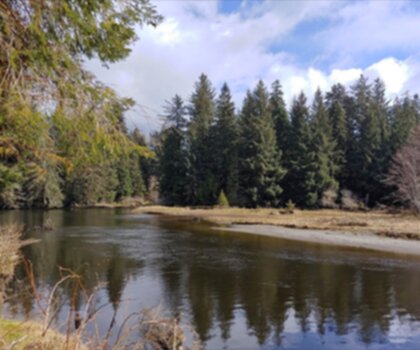
Sandbar Trail
Vancouver Island
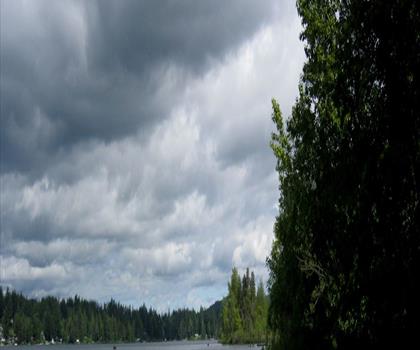
Old Baldy Mountain Trail
Vancouver Island
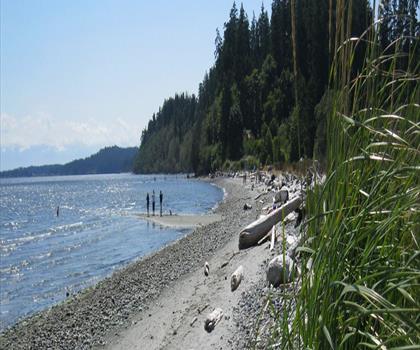
Wittys Lagoon
Vancouver Island

Mount Cain
Vancouver Island
Kings Peak
Vancouver Island
Buttle Lake
Vancouver Island
Hiking near Nanaimo
212 trails to explore ~44 km away
We work hard to provide the most up-to-date and error-free data possible. If something seems incorrect, let us know! Your contribution helps the whole community.
Hikers' opinions
Be the first to review!
No hiker has shared their experience yet. Share your impressions and help other hikers!