
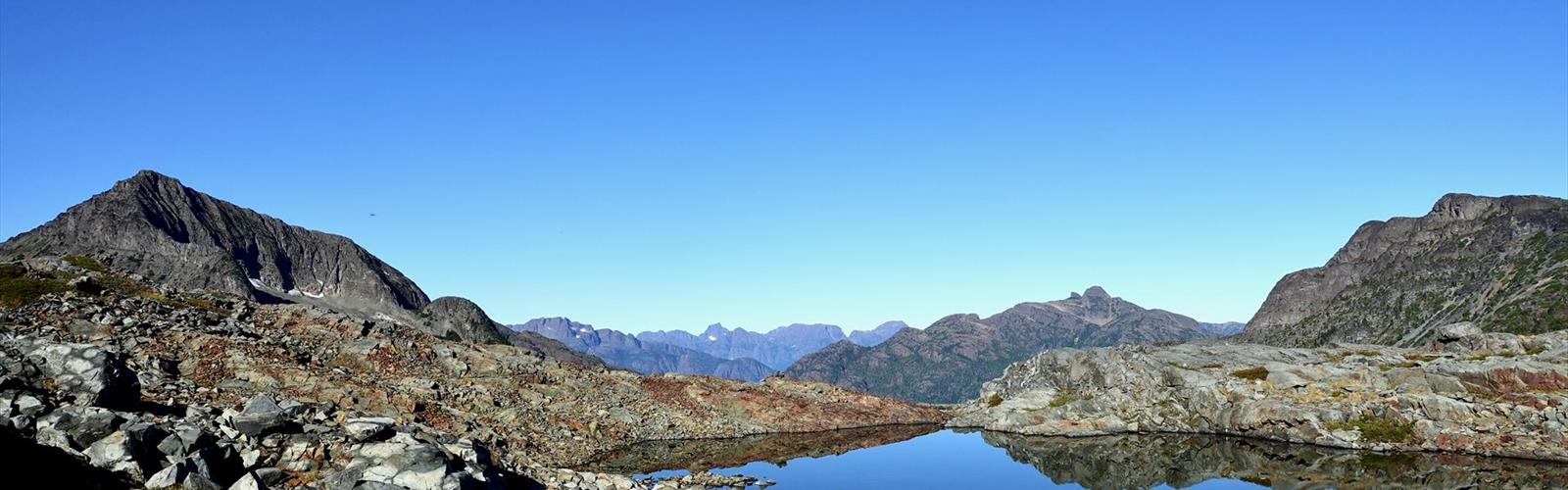

Ready to explore Mount Albert Edward? Here's everything you need to know before you go!
Discover the trail
Trail description
Mount Albert Edward tops out at 2,093 meters (6,867 feet) in the heart of Strathcona Provincial Park, making it one of the highest peaks on Vancouver Island. It's a serious mountain objective — 16 kilometers round trip with 1,200 meters of elevation gain — and the kind of hike that asks something real of you. In return, it delivers some of the most expansive alpine scenery the island has to offer.
Getting There and the Trail Itself
The route starts at the Paradise Meadows trailhead, which is one of the better-known access points in Strathcona Provincial Park. The opening stretch through Paradise Meadows is genuinely beautiful — wide, well-marked, and relatively flat, with wildflowers spreading across the landscape in summer. It's a deceptively gentle introduction to what comes next.
Past the meadows, the trail moves through subalpine forest — Douglas fir, western red cedar — before the trees thin out and the terrain opens up. This is where the hike shifts character. The path steepens, the footing gets rockier, and you start earning the elevation in earnest. The upper sections demand attention: loose rock, exposed ridgeline, and the kind of terrain where trekking poles earn their keep. Allow around 6 hours and 30 minutes for the full round trip, though that can stretch depending on conditions and how long you linger at the top.
The Summit
The payoff at the top is a 360-degree view across Vancouver Island's interior — peaks, valleys, lakes, and forest stretching in every direction. On a clear day, the scale of what you're looking at is genuinely striking. The island's geography, which can feel fragmented at lower elevations, suddenly makes sense from up here. The summit is exposed, so wind and shifting weather are part of the experience. Don't be surprised if conditions at the top feel nothing like what you left at the trailhead.
What Sets This Hike Apart
Most hiking on Vancouver Island stays well below treeline. Mount Albert Edward is different — it puts you in proper alpine terrain, the kind more commonly associated with the Coast Mountains on the mainland. The combination of a legitimate summit, a well-established trail, and no technical climbing requirement makes this one of the most rewarding high-alpine experiences accessible to fit, prepared hikers on the island. It's challenging without being a mountaineering objective, which is a rare balance to strike.
The elevation transition along the route is also worth paying attention to. You move through distinct ecological zones — coastal forest understory, subalpine meadow, and finally the sparse, wind-adapted plant communities near the summit. Each zone has its own character, and the shift between them happens gradually enough that you notice it.
Wildlife
Black bears are present in the area, particularly during berry season. Standard bear awareness applies: make noise on the trail, store food properly, and know what to do if you have an encounter. Marmots are common in the rocky alpine sections — you'll likely hear their sharp whistles before you see them. Deer move through the lower forested portions of the trail, and eagles are frequently spotted riding thermals above the upper ridgelines.
Practical Preparation
This is a hard-rated hike, and the rating is accurate. The distance and elevation gain combined with the exposed upper terrain mean you need to show up ready. A few things worth getting right before you go:
- Footwear: Sturdy hiking boots with solid ankle support. The rocky upper sections are unforgiving on trail runners unless you're very experienced on technical terrain.
- Layers: Mountain weather on Vancouver Island can change fast. A warm mid-layer and a waterproof shell are non-negotiable, even on days that start sunny.
- Water: Carry enough or bring reliable filtration. There are natural water sources along the route, but don't count on them without a way to treat the water.
- Timing: Check the weather before you go. Conditions at 2,000+ meters can be dramatically different from what's happening at sea level or even at the trailhead.
- Trip plan: Leave a detailed plan with someone who isn't on the hike. This is remote terrain, and response times in an emergency are long.
Camping is permitted in designated areas within Strathcona Provincial Park, and some hikers choose to split the trip over two days to take the time pressure off and spend a night in the alpine. If you go that route, bring gear rated for mountain conditions — temperatures drop significantly at elevation even in midsummer, and a cold, wet night in inadequate gear is a miserable way to end an otherwise great trip.
The Essential Hiking Checklist
Everything you need for your next hike. Bilingual, printable, 1 page.
Get your free hiking checklistRecommended gear for this trail
As an Amazon Associate I earn from qualifying purchases.


Ready to go?
Everything you need to know before you goStarting Point
The mount albert edward trails start at the mount albert edward trailhead, which is located on the north side of the mountain, near the summit. To get to the trailhead, drive east from Courtenay on Highway 19 for about 33 km. Turn left onto mount albert edward Road and drive for about 5 km to the trailhead parking lot.
When?
How much?
As an Amazon Associate I earn from qualifying purchases.
Affiliate links — LGPO may earn a commission at no extra cost to you.
- Hiking shoes Essential
- → Salomon Elixir Tour Mid WP · 203.38 $
- Layered clothing Essential
- Rain jacket Essential
- Trekking poles
- → Black Diamond Trail Ergo Cork · 69.99 $
- Headlamp
- → Petzl Actik Core 625 · 103.95 $
FAQ - Frequently asked questions
Everything you need to knowSimilar hikes nearby
Discover other trails you might enjoy
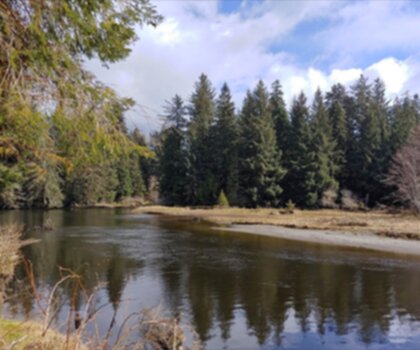
Sandbar Trail
Vancouver Island
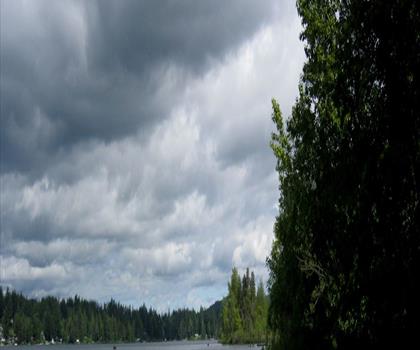
Old Baldy Mountain Trail
Vancouver Island
Wittys Lagoon
Vancouver Island

Mount Cain
Vancouver Island
Kings Peak
Vancouver Island
Buttle Lake
Vancouver Island
Hiking near Nanaimo
212 trails to explore ~122 km away
We work hard to provide the most up-to-date and error-free data possible. If something seems incorrect, let us know! Your contribution helps the whole community.
Hikers' opinions
Be the first to review!
No hiker has shared their experience yet. Share your impressions and help other hikers!