
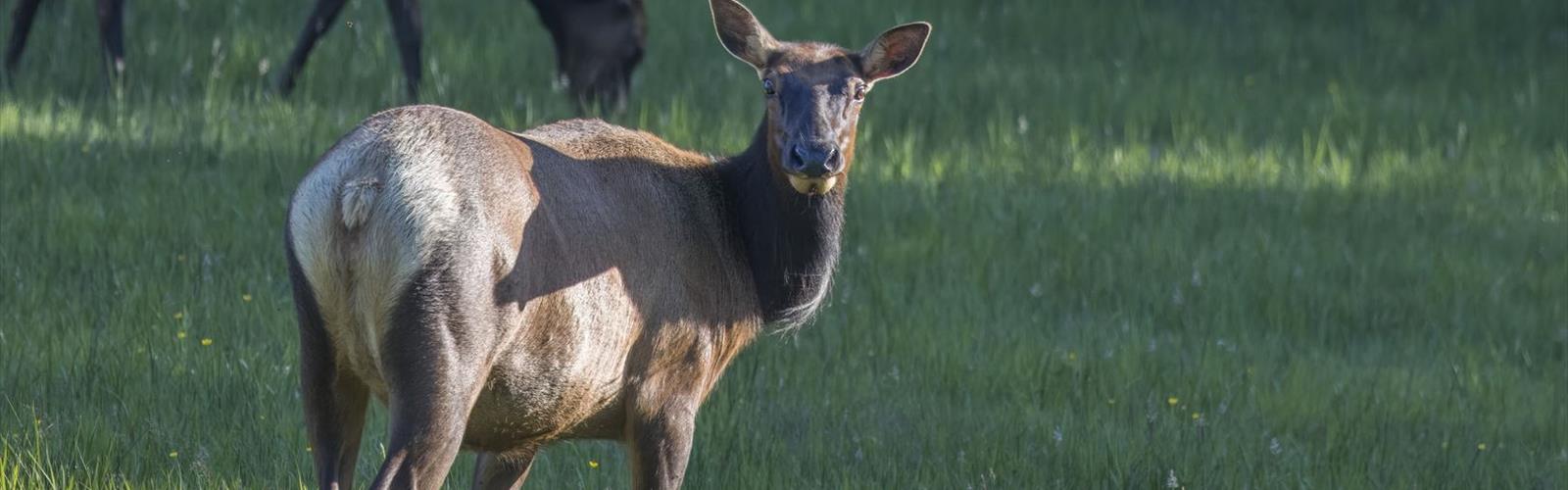

Ready to explore Ripple Rock Hiking Trail? Here's everything you need to know before you go!
Discover the trail

Trail description
The Ripple Rock Hiking Trail delivers one of Vancouver Island's most rewarding combinations of natural beauty and fascinating history. This 8-kilometer round-trip hike leads you through classic Pacific Northwest forest to a spectacular viewpoint overlooking Seymour Narrows, where you'll stand above the site of one of the world's largest non-nuclear explosions.
Located just 16 kilometers north of Campbell River off Highway 19, the trailhead puts you within easy reach of this moderately challenging adventure. The trail winds through dense coastal forest dominated by towering Douglas fir, western hemlock, and cedar trees that create a cathedral-like canopy overhead. Thick undergrowth of salal, Oregon grape, and ferns carpets the forest floor, while shafts of sunlight filter through the branches, creating an ever-changing play of light and shadow as you hike.
Trail Experience and Terrain
The well-maintained path offers varied terrain that keeps the hike interesting from start to finish. You'll begin on gentle slopes that gradually transition to steeper sections as you gain elevation toward the viewpoint. The trail surface alternates between packed earth, wooden boardwalks over wet areas, and occasional rocky sections that require careful footing.
While suitable for hikers of all skill levels, some portions demand more effort, particularly the final push to the lookout. The steeper inclines will get your heart pumping, but the grade never becomes overwhelming for reasonably fit hikers. Tree roots and occasional muddy patches after rain can make footing tricky in spots, making sturdy hiking boots essential rather than optional.
As you progress deeper into the forest, the sounds of Highway 19 fade away, replaced by the rustle of wind through branches and the calls of resident birds. The forest feels primeval and untouched, giving you a genuine sense of wilderness despite the trail's accessibility.
Historical Significance
What sets this trail apart from other Vancouver Island hikes is its connection to a remarkable piece of maritime history. The destination viewpoint overlooks Seymour Narrows, once home to Ripple Rock—a twin-peaked underwater mountain that claimed 120 ships and countless lives over the decades. The rock lurked just nine feet below the surface at low tide, creating treacherous conditions in waters already notorious for powerful tidal currents.
Informative plaques positioned along the trail tell the story of the 1958 engineering feat that finally eliminated this maritime menace. Engineers tunneled under the seabed from Maud Island, packed 1,375 tons of explosives into the rock, and detonated the largest planned explosion in history at that time. The blast, felt 160 kilometers away, sent debris 300 meters into the air and was broadcast live on television across Canada.
These interpretive signs transform your hike into an educational journey, helping you understand the significance of the waters you'll be viewing from the trail's end.
The Viewpoint Reward
The trail culminates at a cleared viewpoint that opens up panoramic vistas across Seymour Narrows and Discovery Passage. The view encompasses the narrow channel where Ripple Rock once lurked, now safely navigable waters that see steady boat traffic throughout the day. Watching vessels pass through these once-deadly waters adds poignancy to the historical story you've learned along the way.
On clear days, the viewpoint offers expansive views across Discovery Passage to the mainland mountains beyond. The water below often reveals marine life—seals frequently haul out on nearby rocks, and dolphins occasionally patrol these nutrient-rich waters. The elevated perspective lets you appreciate the challenging geography that made this area so dangerous for early mariners.
The viewpoint provides natural seating on logs and rocks, making it an ideal spot for lunch or simply soaking in the scenery. The open exposure here can be windy, so bring an extra layer even on warm days.
Wildlife and Natural Features
The diverse forest ecosystem supports abundant wildlife that you might encounter throughout your hike. Black-tailed deer frequently browse along the trail edges, particularly in early morning or late afternoon. The dense canopy attracts numerous bird species—listen for the varied calls of Steller's jays, the drumming of woodpeckers, and the haunting notes of varied thrushes echoing through the trees.
The forest understory changes with the seasons, offering different experiences throughout the year. Spring brings fresh green growth and occasional wildflowers in sunnier clearings. Fall transforms the deciduous shrubs into brilliant yellows and reds that contrast beautifully with the evergreen backdrop.
Planning Your Visit
Spring and fall provide the most comfortable hiking conditions, with mild temperatures and the forest displaying its seasonal colors most dramatically. Spring offers the bonus of fresh growth and increased bird activity, while fall delivers spectacular foliage and crisp, clear air that enhances the viewpoint vistas.
Summer hiking is certainly possible but can be warm and humid under the forest canopy. Winter conditions vary significantly—the trail remains accessible, but wet weather can make sections muddy and slippery.
Bring plenty of water for this moderately strenuous hike, as no water sources exist along the trail. The combination of elevation gain and forest humidity can be dehydrating, particularly in warmer weather. Pack snacks or lunch to enjoy at the viewpoint, and consider bringing binoculars to better observe marine wildlife and boat traffic in the passage below.
Always check current weather conditions before heading out, as coastal weather can change rapidly. Let someone know your hiking plans if you're venturing out alone, and stick to the marked trail to protect both the fragile forest ecosystem and your own safety.
The Essential Hiking Checklist
Everything you need for your next hike. Bilingual, printable, 1 page.
Get your free hiking checklistRecommended gear for this trail
As an Amazon Associate I earn from qualifying purchases.


Ready to go?
Everything you need to know before you goStarting Point
The ripple rock hiking trail is located in British Columbia. To get to the start of the trails, take Highway 99 north from Vancouver to the town of Squamish. Turn left onto Cleveland Avenue and drive for about 2 kilometers until you reach the trailhead parking lot on your right.
When?
How much?
As an Amazon Associate I earn from qualifying purchases.
Affiliate links — LGPO may earn a commission at no extra cost to you.
- Hiking shoes Essential
- → Salomon Elixir Tour Mid WP · 203.38 $
- Layered clothing Essential
- Rain jacket Essential
- Trekking poles
- → Black Diamond Trail Ergo Cork · 69.99 $
- Headlamp
- → Petzl Actik Core 625 · 103.95 $
FAQ - Frequently asked questions
Everything you need to knowSimilar hikes nearby
Discover other trails you might enjoy
Sandbar Trail
Vancouver Island
Old Baldy Mountain Trail
Vancouver Island
Wittys Lagoon
Vancouver Island

Mount Cain
Vancouver Island
Kings Peak
Vancouver Island
Buttle Lake
Vancouver Island
Hiking near Nanaimo
212 trails to explore ~150 km away
We work hard to provide the most up-to-date and error-free data possible. If something seems incorrect, let us know! Your contribution helps the whole community.
Hikers' opinions
Be the first to review!
No hiker has shared their experience yet. Share your impressions and help other hikers!