
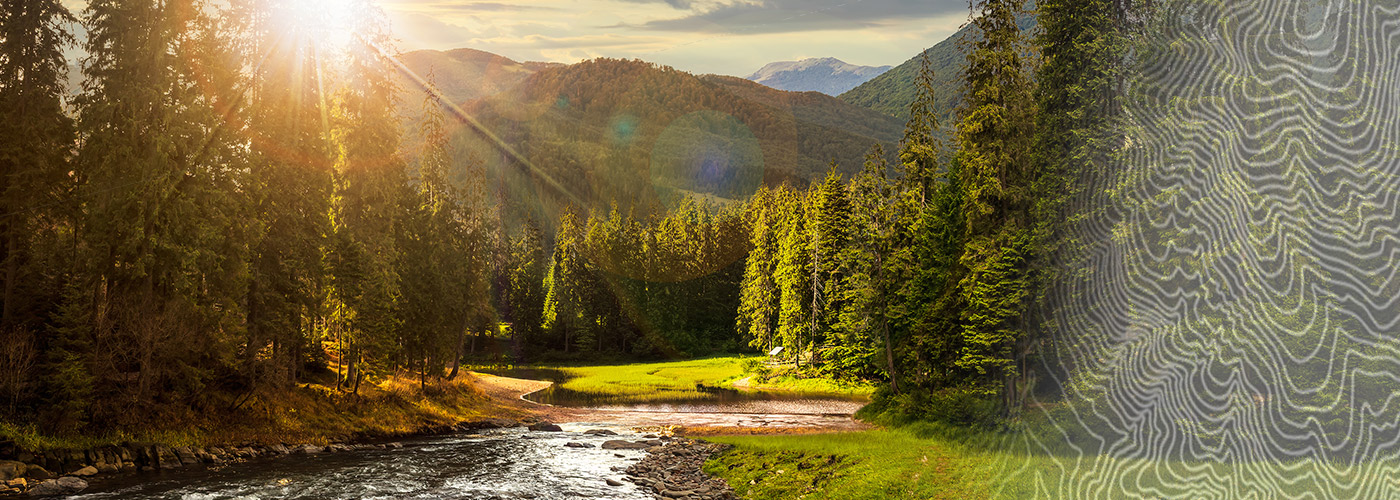

Ready to explore Skutz Falls Rd? Here's everything you need to know before you go!
Discover the trail
Oh no! We don't have any photos 😢
This trail hasn't been captured yet. Be the first to share your adventure!Trail description
Skutz Falls Road delivers one of Vancouver Island's most satisfying quick escapes—a 2.5-kilometer loop trail that packs impressive variety into just over an hour of hiking. Located in the Cowichan Valley, this easily accessible destination proves you don't need to venture deep into the backcountry to find genuine wilderness character and stunning natural features.
The drive to the trailhead sets expectations perfectly. As Skutz Falls Road winds through dense coastal forest, you'll watch the landscape transform from rural Cowichan Valley farmland into the towering Douglas fir and cedar forests that define this region. The Cowichan River runs alongside much of the route, its presence creating the lush, humid microclimate that supports the area's rich ecosystem.
The Skutz Falls Loop Trail Experience
The main trail follows a well-designed loop that builds anticipation masterfully. You'll hear the falls long before reaching them—the sound of cascading water growing stronger as the path winds through varying terrain. The route takes advantage of natural contours, leading hikers up gentle rises and down into small valleys carved by centuries of water flow.
With only 50 meters of elevation gain spread across the entire loop, the trail remains accessible while still providing enough terrain variation to keep things interesting. Dense woodland sections filter sunlight into shifting patterns on the forest floor, while more open stretches along the Cowichan River offer clear views of water rushing over granite shelves and around moss-covered boulders.
The forest here exemplifies classic Pacific Northwest character. Towering conifers create a natural cathedral overhead, while the understory thrives with sword ferns, salmonberry bushes, and moss-covered fallen logs serving as nurse trees for the next generation of forest giants. During spring and early summer, wildflowers punctuate the dominant green palette, and the air carries the fresh scent of growing vegetation and clean, flowing water.
Wildlife and River Ecosystem
The Cowichan River corridor supports diverse wildlife that makes each visit potentially unique. The combination of forest and aquatic habitats creates ideal conditions for both woodland birds and species dependent on the river ecosystem. Birdwatchers should listen for the varied calls echoing through the canopy and watch for movement along the water's edge.
The river itself serves as the trail's constant companion, sometimes flowing directly beside the path, other times heard through the trees as a reminder of the geological forces that shaped this landscape. Water levels and character change dramatically with the seasons—spring snowmelt creates powerful flows that showcase the falls at their most dramatic, while late summer reveals more of the underlying granite structure and creates different photographic opportunities.
Photographers will find rich subject matter throughout the loop. The interplay of filtered light and deep shadows in the forest, the intricate textures of bark and moss, and the dynamic movement of water over stone all provide compelling compositions. While the falls themselves offer classic cascade shots, the smaller ecosystem details often prove equally rewarding for those who take time to observe closely.
Family-Friendly Features and Accessibility
The easy difficulty rating and short distance make this trail particularly welcoming for families and casual hikers. Well-maintained paths use natural materials for steps and bridges where needed, creating safe passage without detracting from the natural setting. The thoughtful trail design means infrastructure helps hikers navigate confidently while preserving the wilderness atmosphere.
Several strategically positioned spots along the route work perfectly for picnics or rest breaks. These areas aren't just convenient stopping points—they're located to take advantage of particularly scenic stretches of river or peaceful forest clearings. Families can spread out lunch while listening to flowing water, or simply pause to let children safely explore the immediate surroundings.
The loop's design allows for flexible trip planning. While completing the full circuit provides the most comprehensive experience, families with very young children can explore the initial sections and turn back when appropriate, still experiencing the area's character without committing to the entire route.
Seasonal Conditions and Gear Recommendations
Vancouver Island's changeable weather affects this inland valley location in specific ways. Clear mornings can shift to misty or rainy conditions by afternoon, especially during spring and fall. Layered clothing and rain protection prove essential even when forecasts look promising, as the dense forest canopy and river proximity create localized humidity and temperature variations.
Trail conditions vary significantly with seasons. Spring brings higher water levels that make the falls most spectacular, but also creates muddier trail sections and requires more careful footing. Summer offers the most predictable weather and driest trail conditions, making it ideal for families or photographers seeking specific lighting conditions. Fall transforms the deciduous understory with brilliant colors while maintaining generally good trail conditions.
Winter hiking remains possible but demands attention to shorter daylight hours and potentially slippery conditions. The falls often maintain flow year-round, creating beautiful ice formations during cold snaps that add visual interest for winter visitors.
Sturdy footwear with good traction is essential, especially for exploring areas near the water. Rocks around the falls and river can become extremely slippery when wet, requiring careful movement and attention to footing. Standard day-hiking gear applies—water, snacks, first aid basics, and weather protection.
Conservation and Visitor Responsibility
The area's accessibility makes it popular, placing responsibility on every visitor to maintain its pristine condition. Leave No Trace principles are particularly crucial here—pack out all trash, stay on designated trails to prevent erosion and protect sensitive vegetation, and keep noise levels down to preserve the experience for both wildlife and other visitors.
The river ecosystem requires special consideration. Avoid using any soaps or detergents near the water, even those labeled biodegradable, and resist disturbing the streambed or removing rocks that provide essential habitat for aquatic life. The seemingly small actions of individual visitors can accumulate into significant impacts on this sensitive environment.
Skutz Falls Road represents the best of accessible outdoor recreation—genuine natural beauty and varied terrain within reach of a quick day trip, requiring no expedition-level planning or specialized skills while still delivering a satisfying wilderness experience in the heart of the Cowichan Valley.
The Essential Hiking Checklist
Everything you need for your next hike. Bilingual, printable, 1 page.
Get your free hiking checklistRecommended gear for this trail
As an Amazon Associate I earn from qualifying purchases.


Ready to go?
Everything you need to know before you goStarting Point
The easiest way to get to the start of the trails at the skutz falls rd in British Columbia is to drive there.
When?
As an Amazon Associate I earn from qualifying purchases.
Affiliate links — LGPO may earn a commission at no extra cost to you.
- Hiking shoes Essential
- → Salomon Elixir Tour Mid WP · 203.38 $
- Layered clothing Essential
- Rain jacket Essential
- Trekking poles
- → Black Diamond Trail Ergo Cork · 69.99 $
- Headlamp
- → Petzl Actik Core 625 · 103.95 $
FAQ - Frequently asked questions
Everything you need to knowSimilar hikes nearby
Discover other trails you might enjoy
Sandbar Trail
Vancouver Island
Old Baldy Mountain Trail
Vancouver Island
Wittys Lagoon
Vancouver Island

Mount Cain
Vancouver Island
Kings Peak
Vancouver Island
Buttle Lake
Vancouver Island
Hiking near Nanaimo
212 trails to explore ~41 km away
We work hard to provide the most up-to-date and error-free data possible. If something seems incorrect, let us know! Your contribution helps the whole community.
Hikers' opinions
Be the first to review!
No hiker has shared their experience yet. Share your impressions and help other hikers!