
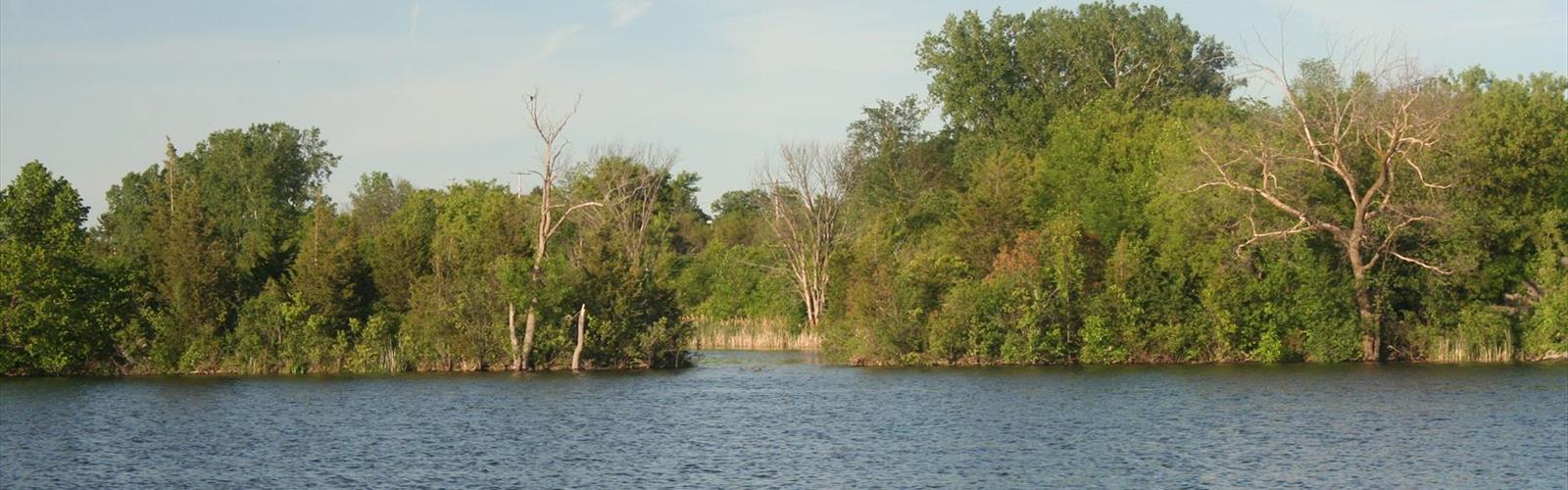

Ready to explore Trent River? Here's everything you need to know before you go!
Discover the trail
Trail description
The Trent River cuts a peaceful path through Vancouver Island's dense forests, creating one of the island's most accessible yet rewarding hiking experiences. This 93-kilometer waterway winds through lush coastal rainforest, offering hikers multiple entry points and trail options along its length. Unlike the more rugged mountain trails that dominate much of Vancouver Island, the Trent River area provides gentler terrain with a modest 200 meters of elevation gain, making it an ideal destination for families, casual hikers, and anyone seeking a restorative outdoor experience without extreme physical demands.
The river's character changes dramatically as it flows from its headwaters toward the sea. In the upper reaches, you'll find yourself walking alongside a narrow, fast-moving stream that dances over moss-covered rocks and fallen logs. The forest here feels intimate and enclosed, with towering Douglas firs and western red cedars creating a natural cathedral overhead. As you follow the river downstream, it gradually widens and slows, meandering through broader valleys where the canopy opens up to reveal glimpses of sky and distant ridgelines.
Trail Network and Access
The beauty of hiking the Trent River lies in its flexibility. Rather than a single defined trail, the area offers a network of paths that follow the river's course and connect to other regional trail systems. You can choose short walks of just a few kilometers for a morning outing, or link multiple trail segments together for a full day of exploration. The well-maintained paths make navigation straightforward, though the interconnected nature of the trail system means you can easily extend your adventure if you're feeling energetic.
Most hikers start from one of several established trailheads that provide convenient river access. The trails themselves vary from wide, smooth paths suitable for hiking boots or trail runners, to narrower single-track sections that wind more intimately through the forest. Wooden bridges and boardwalks span the river at key crossing points, and these structures also serve as excellent vantage points for photography and wildlife observation.
Terrain and Trail Experience
The relatively gentle elevation profile makes this an approachable hike for most fitness levels, though the full length presents a serious undertaking that requires proper planning and preparation. The terrain consists primarily of well-established dirt paths with occasional rocky sections near stream crossings. Root networks from the surrounding forest create natural steps in some areas, while other stretches feature smooth, packed earth that's easy on the feet.
Stream crossings add variety to the hiking experience, ranging from simple rock-hopping opportunities to more substantial bridges. During higher water periods, some crossings require more careful navigation, adding an element of adventure without creating serious technical challenges. The sound of flowing water provides a constant soundtrack throughout most of the hike, creating a meditative atmosphere that many hikers find particularly appealing.
Forest Environment and Wildlife
The Trent River corridor showcases Vancouver Island's classic coastal temperate rainforest ecosystem. The forest floor is carpeted with ferns, salal, and Oregon grape, while massive stumps from old-growth logging operations serve as nurse logs for new generations of trees. This layered environment creates diverse habitats that support an impressive array of wildlife.
Birdwatchers will find the area particularly rewarding. The river attracts numerous species throughout the year, from common residents like Steller's jays and Pacific wrens to seasonal visitors including various warbler species during migration periods. The mix of water, forest edge, and dense canopy habitats means you might spot everything from kingfishers diving for fish to woodpeckers working the larger trees. Early morning and late afternoon tend to be the most active times for wildlife viewing.
While hiking, keep an eye out for signs of the area's larger mammals. Black bears occasionally pass through the region, particularly during salmon runs, though encounters are uncommon on the busier trail sections. Deer are more frequently seen, especially in the quieter stretches of the river where they come to drink.
What Sets This Trail Apart
The Trent River stands out among Vancouver Island's hiking options for its unique combination of accessibility and immersion. While many island trails either require significant technical skill or offer only brief nature experiences, this river corridor provides deep forest immersion without intimidating challenges. The constant presence of flowing water creates microclimates and ecosystems that feel distinctly different from the drier ridge trails found elsewhere on the island.
The trail's length allows for genuine wilderness experiences while remaining within reach of day hikers. You can walk for hours through uninterrupted forest, yet never feel completely cut off from civilization. This balance makes it particularly valuable for hikers transitioning from shorter walks to more ambitious adventures, or for experienced hikers seeking a more contemplative outdoor experience.
Seasonal Considerations
The Trent River area offers year-round hiking opportunities, though each season brings its own character and considerations. Spring brings vibrant green growth and higher water levels from snowmelt and seasonal rains. The river runs fuller and faster during this time, creating more dramatic water features but also making some crossing points more challenging.
Summer provides the most comfortable hiking conditions, with drier trails and warm weather perfect for riverside picnicking. This is also peak season for wildlife activity and the best time for photography, as the longer daylight hours allow for extended exploration. The river runs lower and clearer during summer months, revealing more of the rocky streambed and creating inviting pools for cooling off tired feet.
Fall transforms the forest with changing colors, particularly striking among the deciduous trees that line the river. Winter hiking remains possible but requires more preparation, as trails can become muddy and some sections may be temporarily inaccessible due to seasonal flooding or storm damage.
Planning Your Visit
Before heading out, check current trail conditions and weather forecasts, as Vancouver Island's coastal climate can change quickly. The generally well-maintained trails don't require specialized equipment, but standard hiking gear including proper footwear, layers for changing weather, and rain protection will enhance your comfort. The area's moderate elevation gain means most hikers won't need trekking poles, though they can be helpful on steeper sections or when crossing streams.
Water is readily available from the river itself, though bringing your own supply is recommended. The riverside setting makes this an ideal location for picnicking, so consider packing a lunch to enjoy at one of the many scenic spots along the way. A camera is essential—the interplay of water, forest, and light creates constantly changing photographic opportunities that capture the essence of Vancouver Island's natural beauty.
The Essential Hiking Checklist
Everything you need for your next hike. Bilingual, printable, 1 page.
Get your free hiking checklistRecommended gear for this trail
As an Amazon Associate I earn from qualifying purchases.


Ready to go?
Everything you need to know before you goStarting Point
The trent river is located in British Columbia. To get to the start of the trails, take Highway 1 to Hope. From there, take Highway 3 to Princeton. The trent river is located just south of Princeton.
When?
As an Amazon Associate I earn from qualifying purchases.
Affiliate links — LGPO may earn a commission at no extra cost to you.
- Hiking shoes Essential
- → Salomon Elixir Tour Mid WP · 203.38 $
- Layered clothing Essential
- Rain jacket Essential
- Trekking poles
- → Black Diamond Trail Ergo Cork · 69.99 $
- Headlamp
- → Petzl Actik Core 625 · 103.95 $
FAQ - Frequently asked questions
Everything you need to knowSimilar hikes nearby
Discover other trails you might enjoy
Sandbar Trail
Vancouver Island
Old Baldy Mountain Trail
Vancouver Island
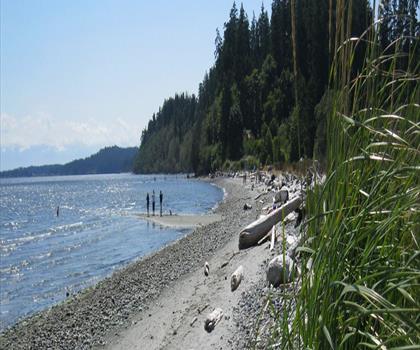
Wittys Lagoon
Vancouver Island

Mount Cain
Vancouver Island
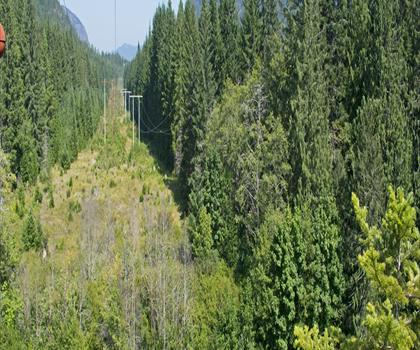
Kings Peak
Vancouver Island
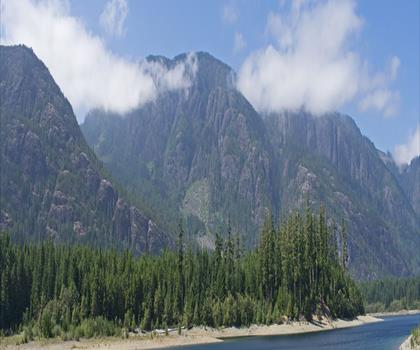
Buttle Lake
Vancouver Island
Hiking near Nanaimo
212 trails to explore ~90 km away
We work hard to provide the most up-to-date and error-free data possible. If something seems incorrect, let us know! Your contribution helps the whole community.
Hikers' opinions
Be the first to review!
No hiker has shared their experience yet. Share your impressions and help other hikers!