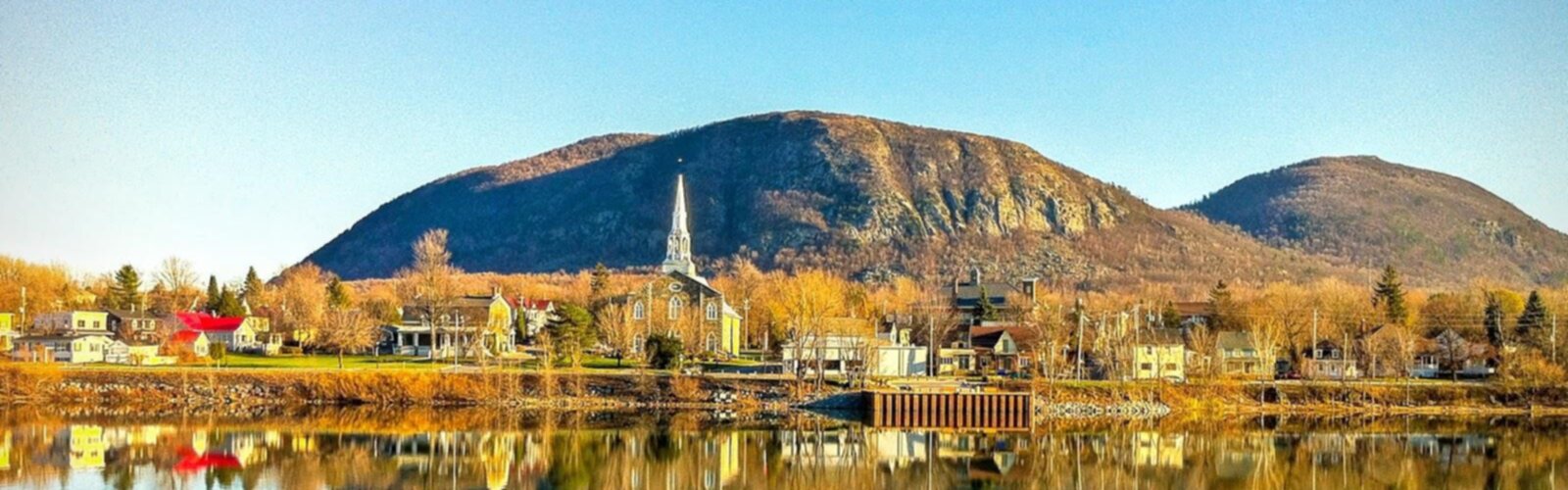
Cape Breton Island stands as one of Nova Scotia's most spectacular hiking destinations, where rugged coastal cliffs meet ancient highlands in a landscape that has captivated outdoor enthusiasts for generations. This remarkable island offers an unparalleled combination of ocean vistas, pristine wilderness, and cultural richness that makes every trail an adventure worth remembering.
Why Hike in Cape Breton
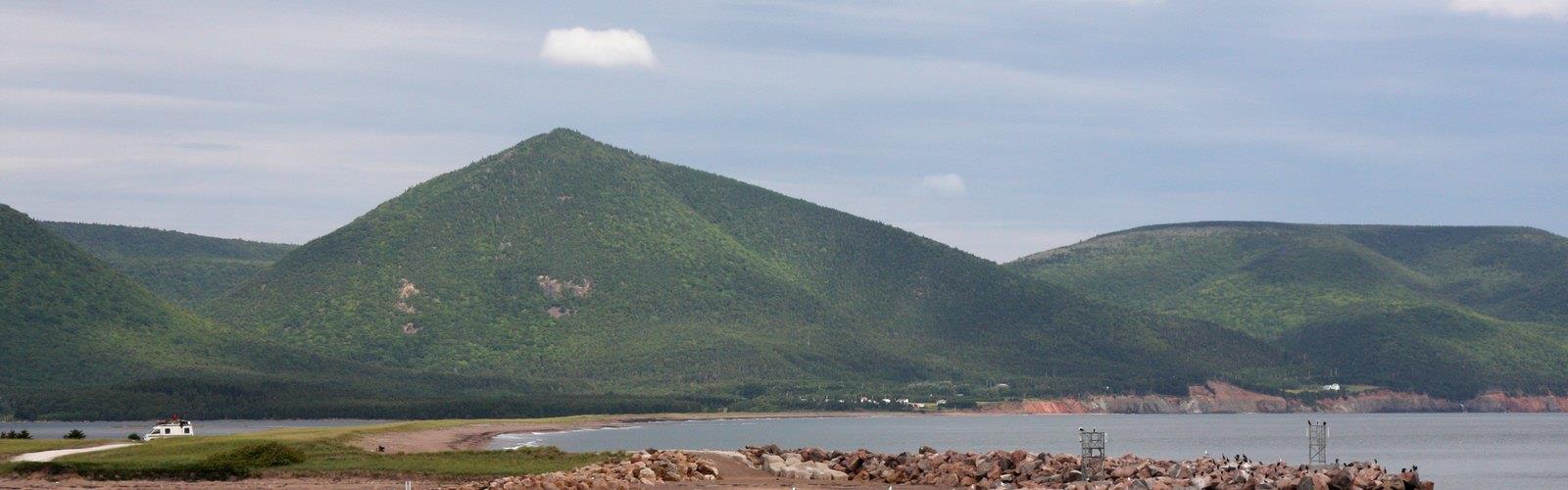
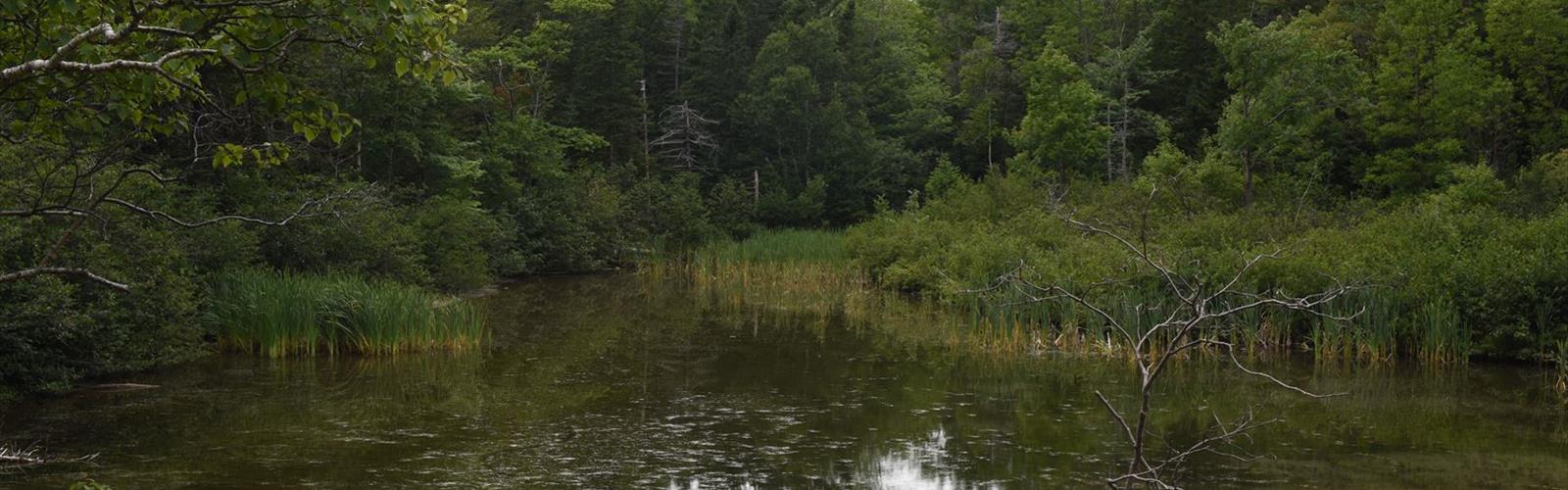
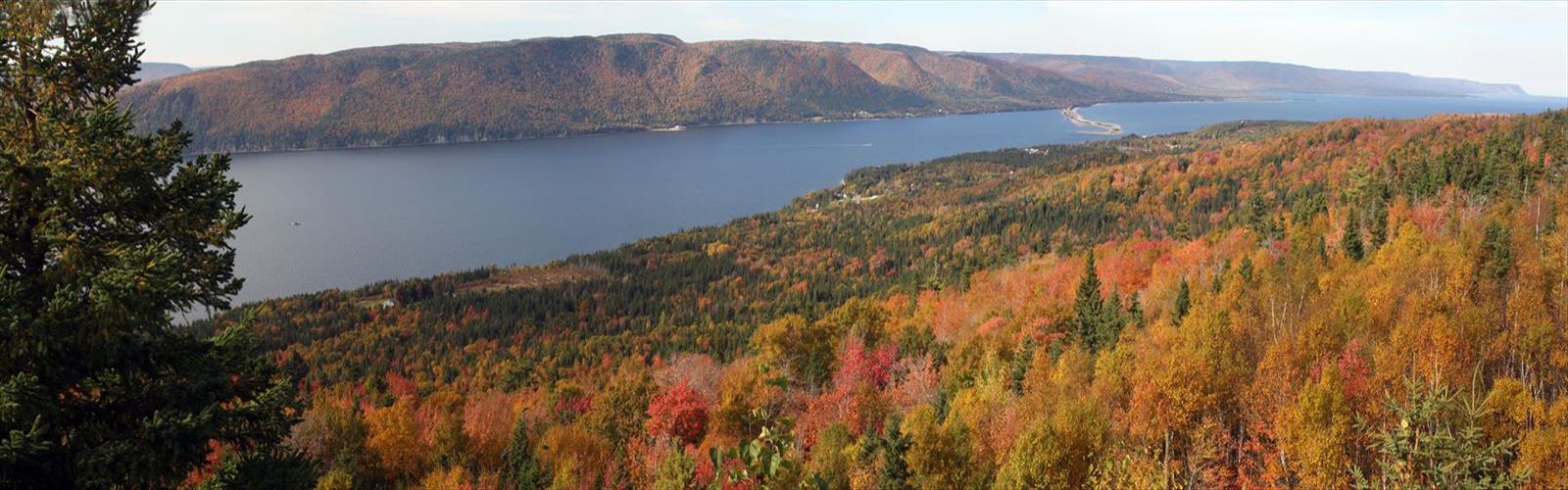
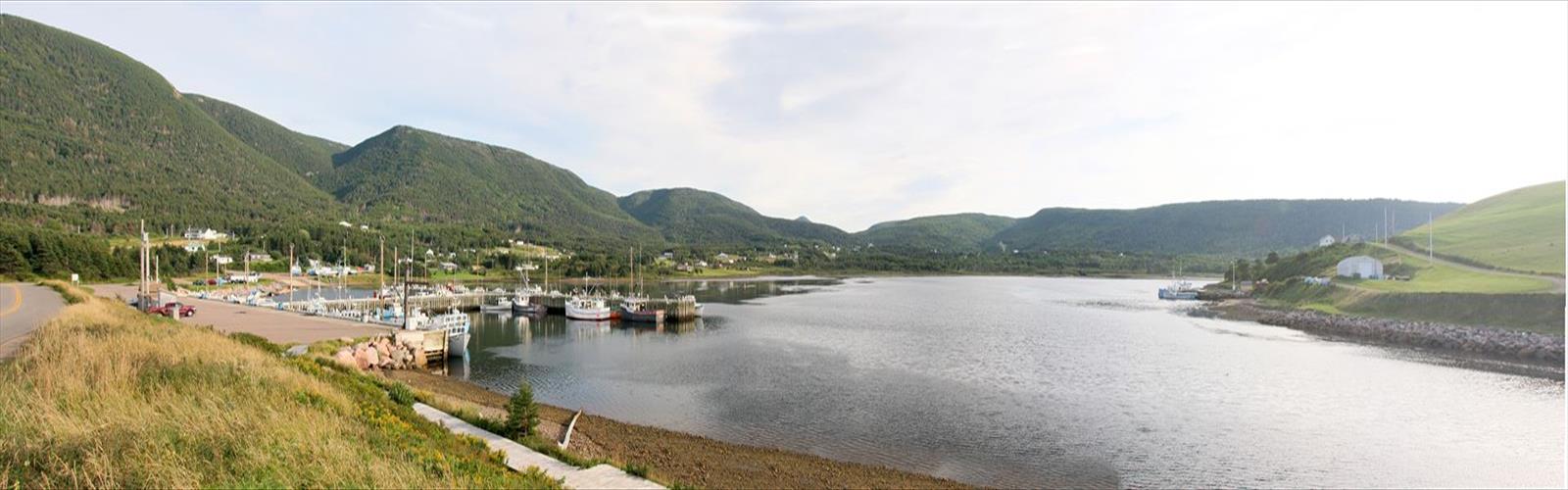
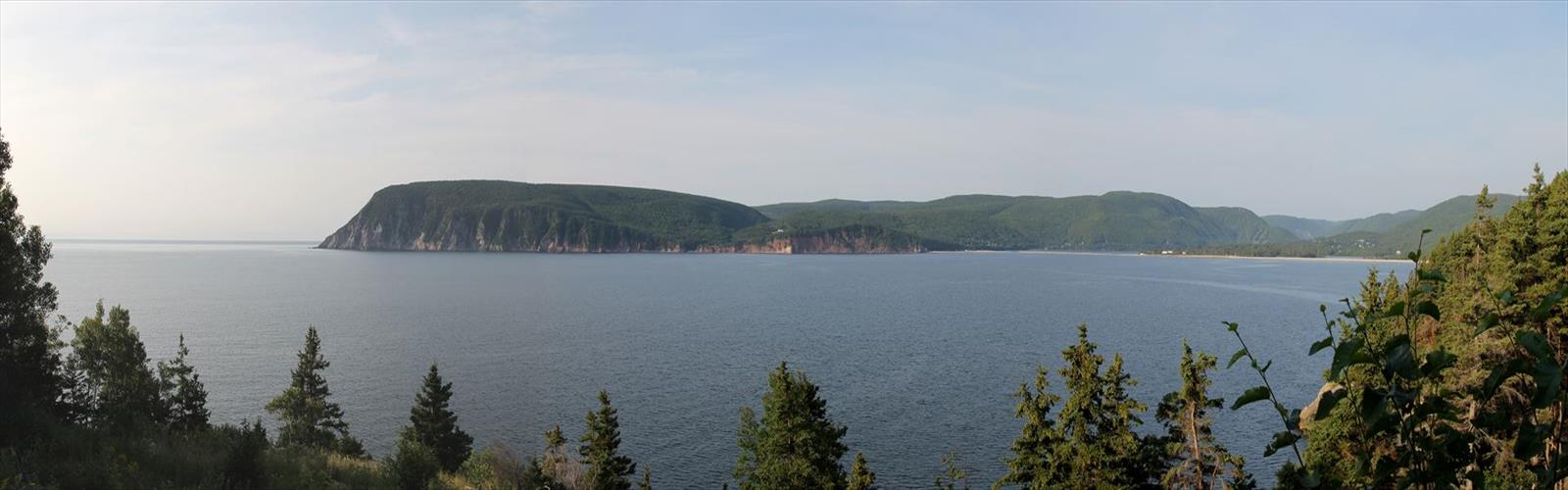
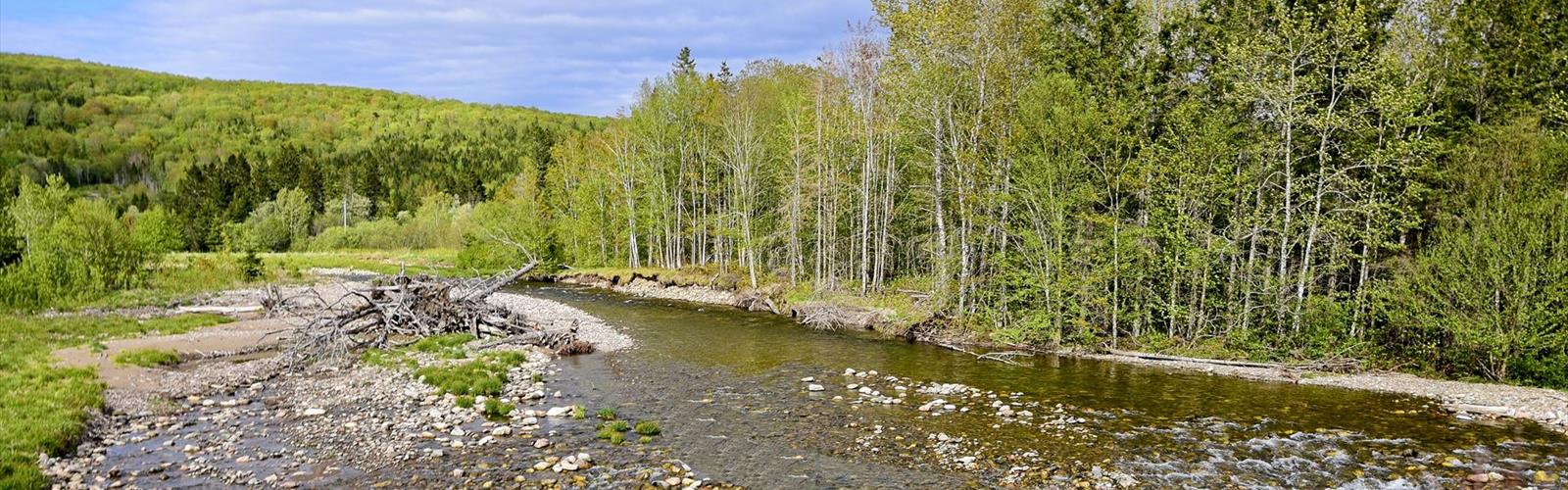
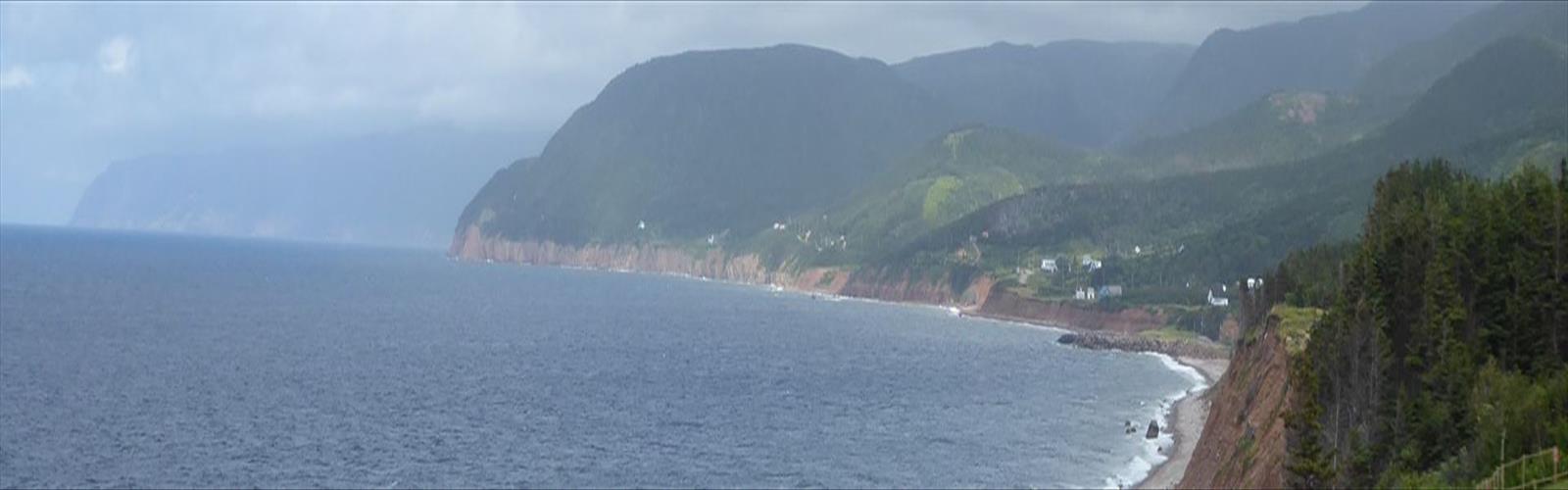
Cape Breton's diverse terrain creates a hiking paradise unlike anywhere else in Atlantic Canada. The island's crown jewel, the Cape Breton Highlands National Park, showcases dramatic coastal plateaus that plunge into the Atlantic Ocean, while inland valleys harbor pristine lakes and ancient Acadian forests. The region's unique geography features both boreal and temperate ecosystems, supporting wildlife including moose, black bears, bald eagles, and pilot whales visible from clifftop trails.
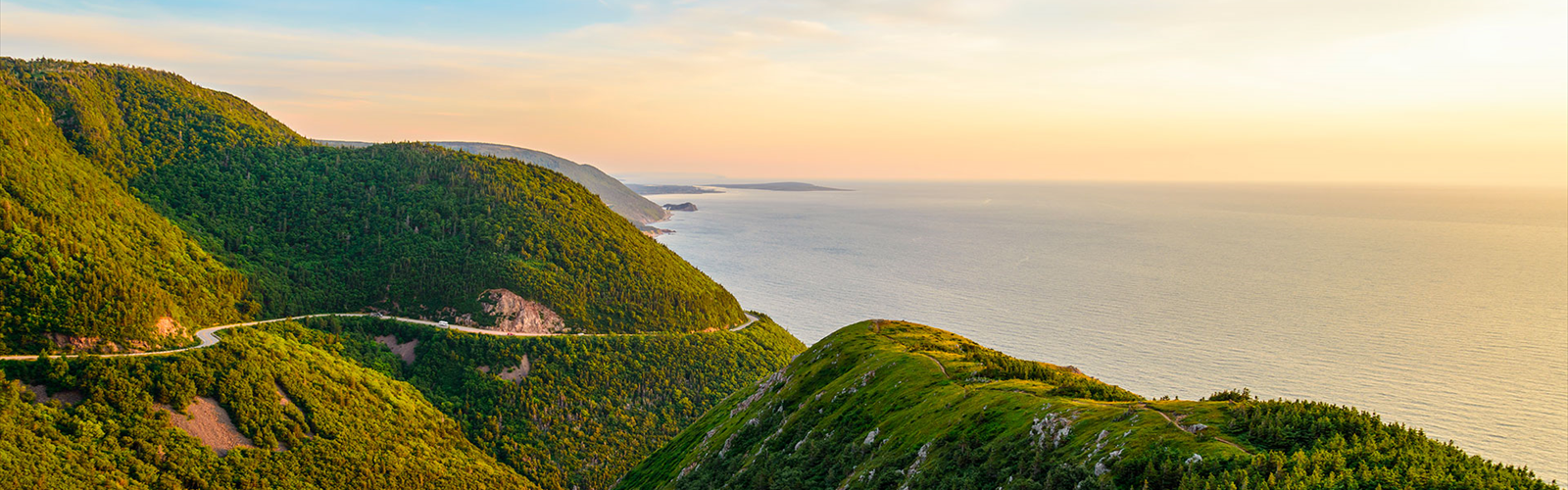
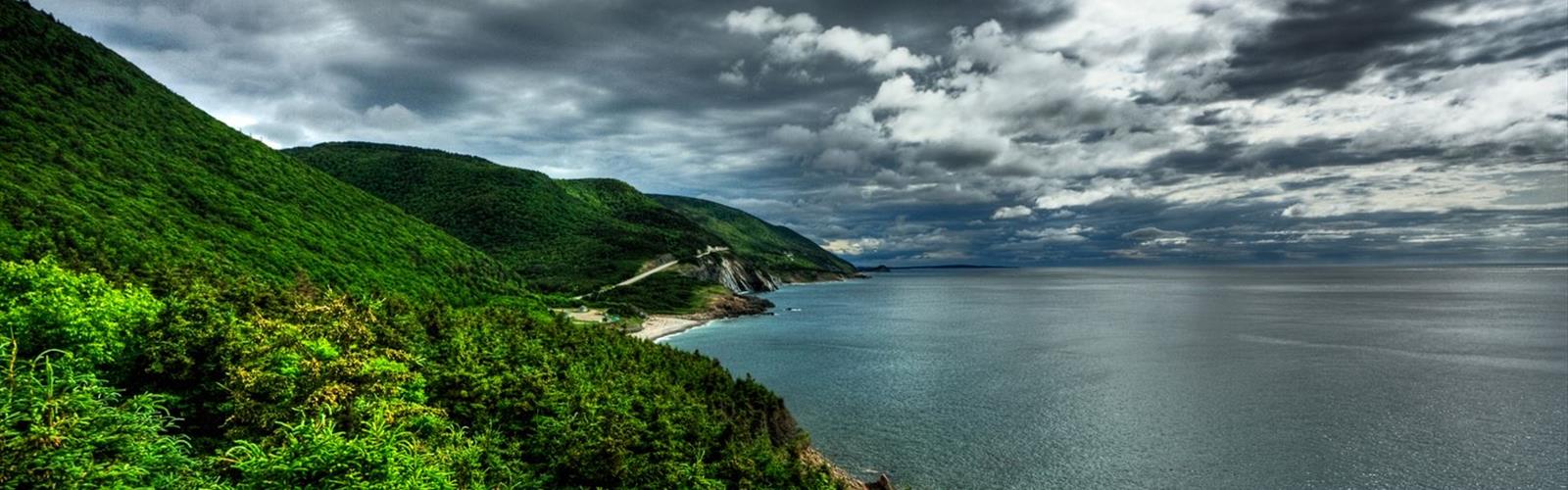
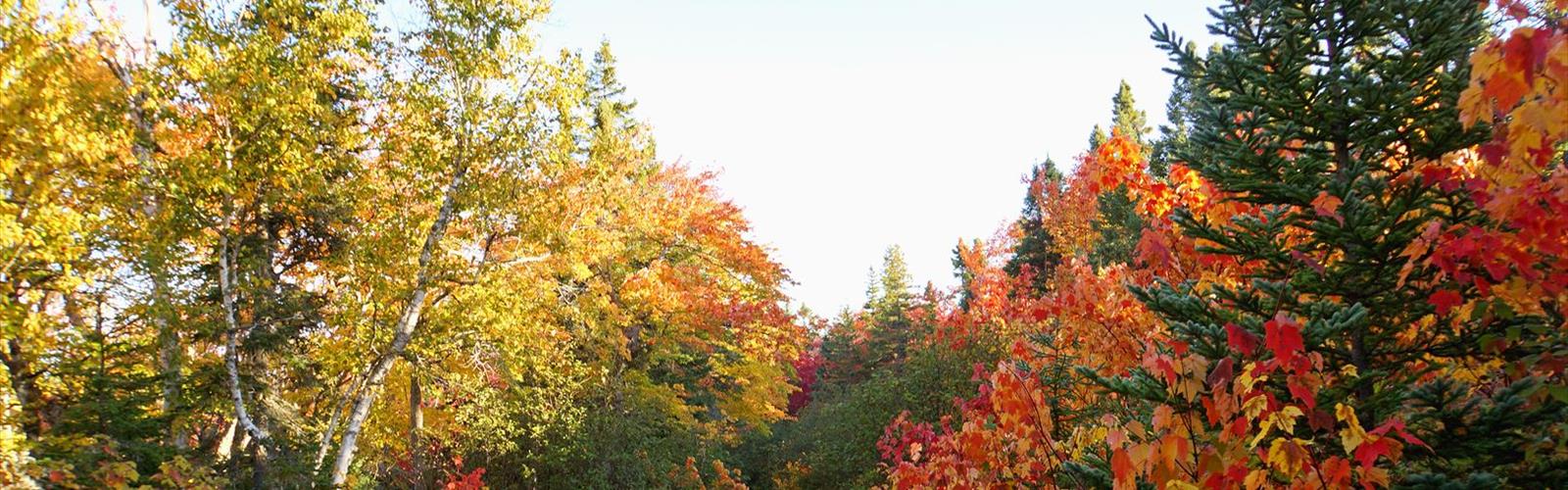
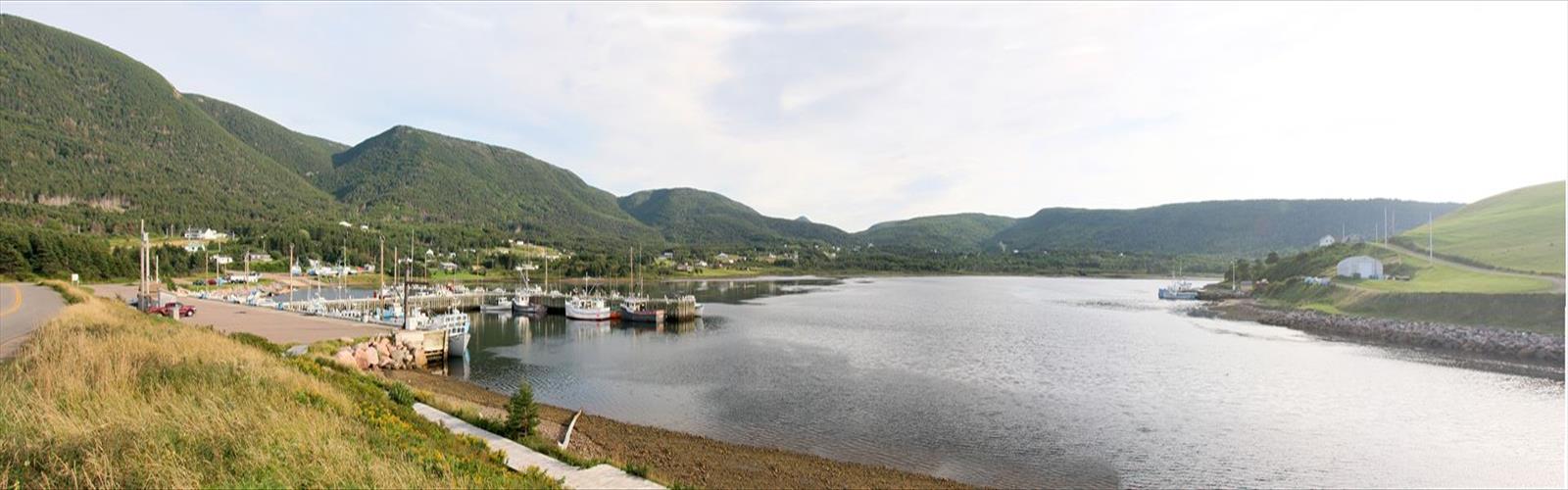
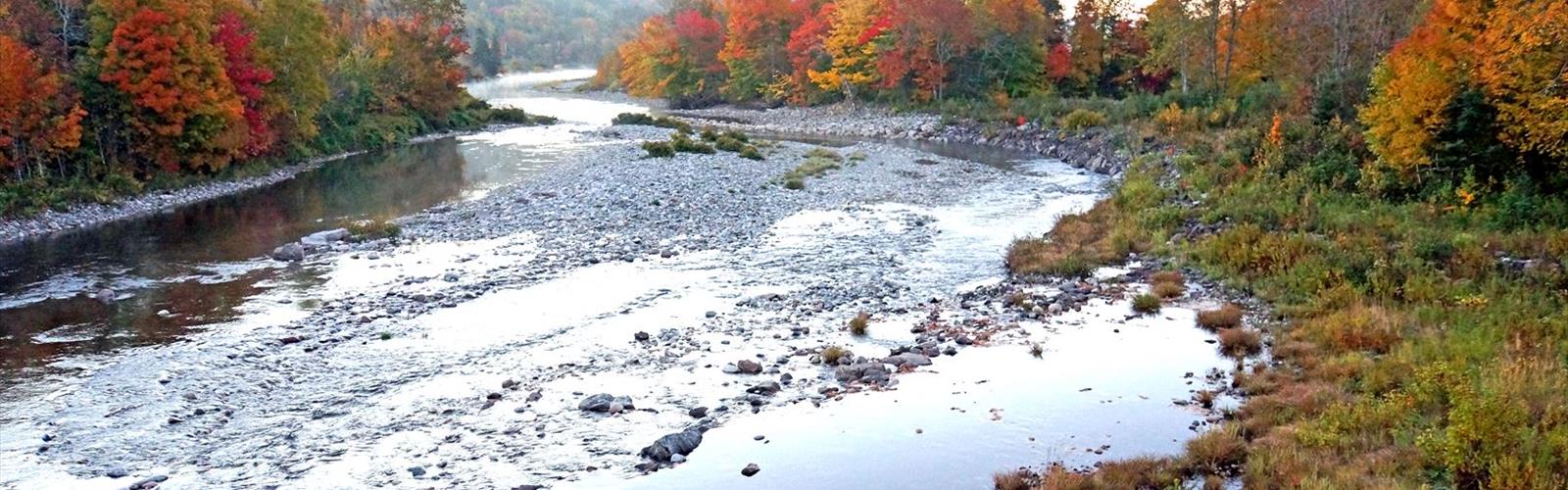
The famous Cabot Trail serves as the backbone for many hiking adventures, winding through landscapes that transition from windswept headlands to sheltered coves and mountain peaks. Cape Breton's hiking trails in Nova Scotia offer year-round beauty, from spring wildflower blooms to autumn's spectacular foliage display across the highland plateau.
Must-Experience Trails
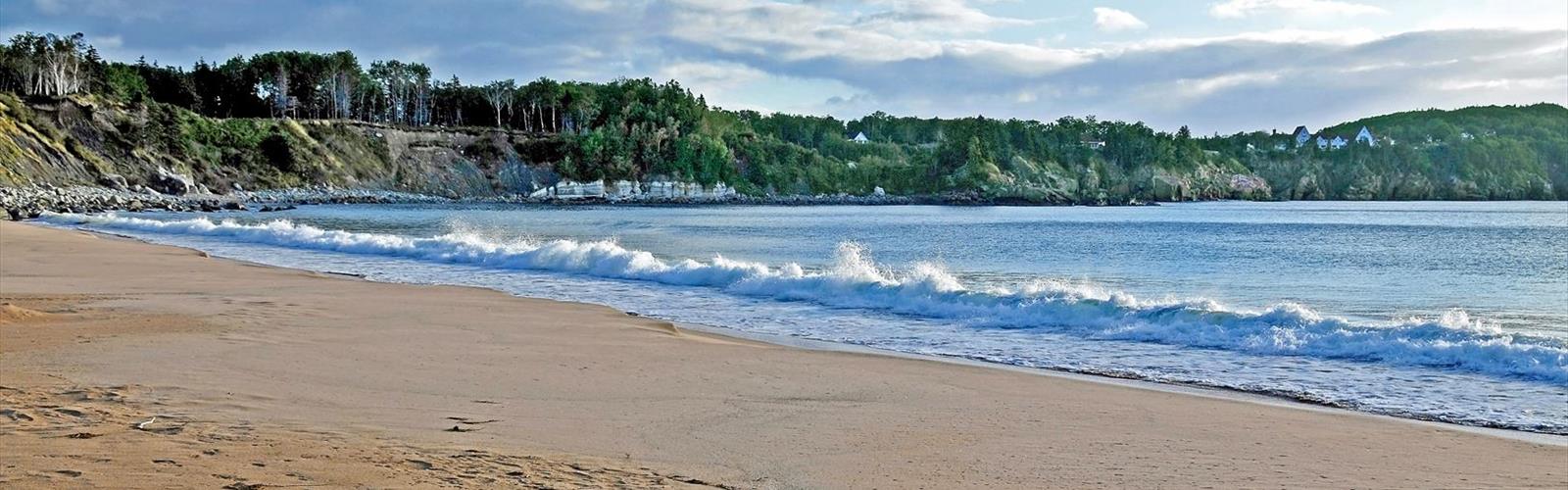
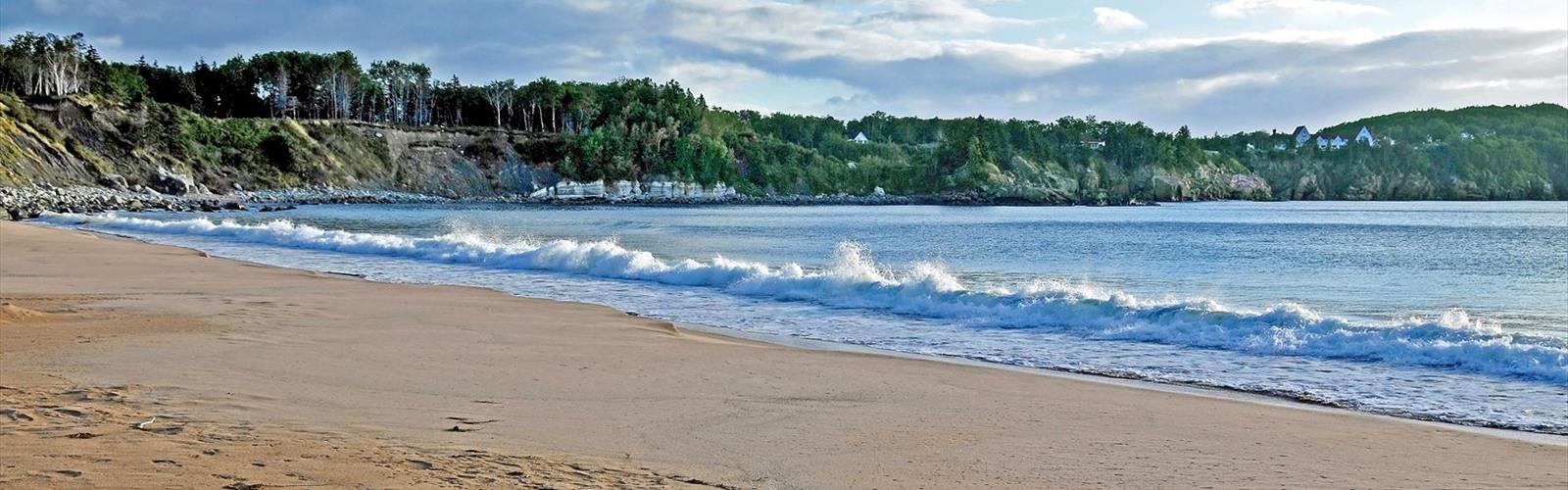
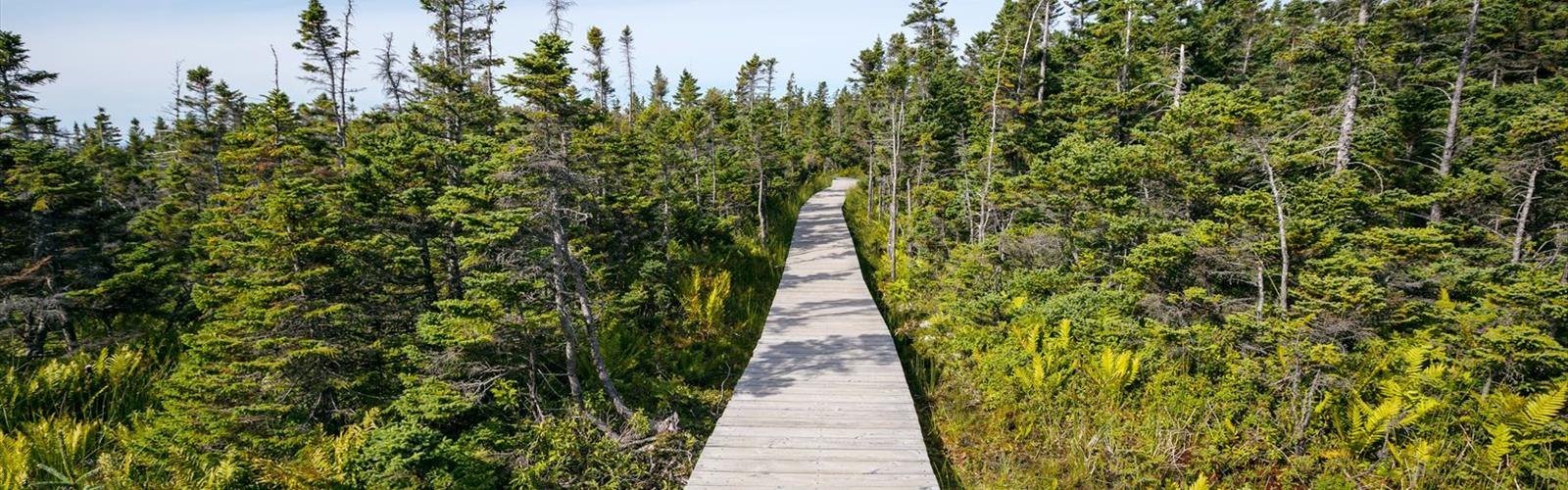
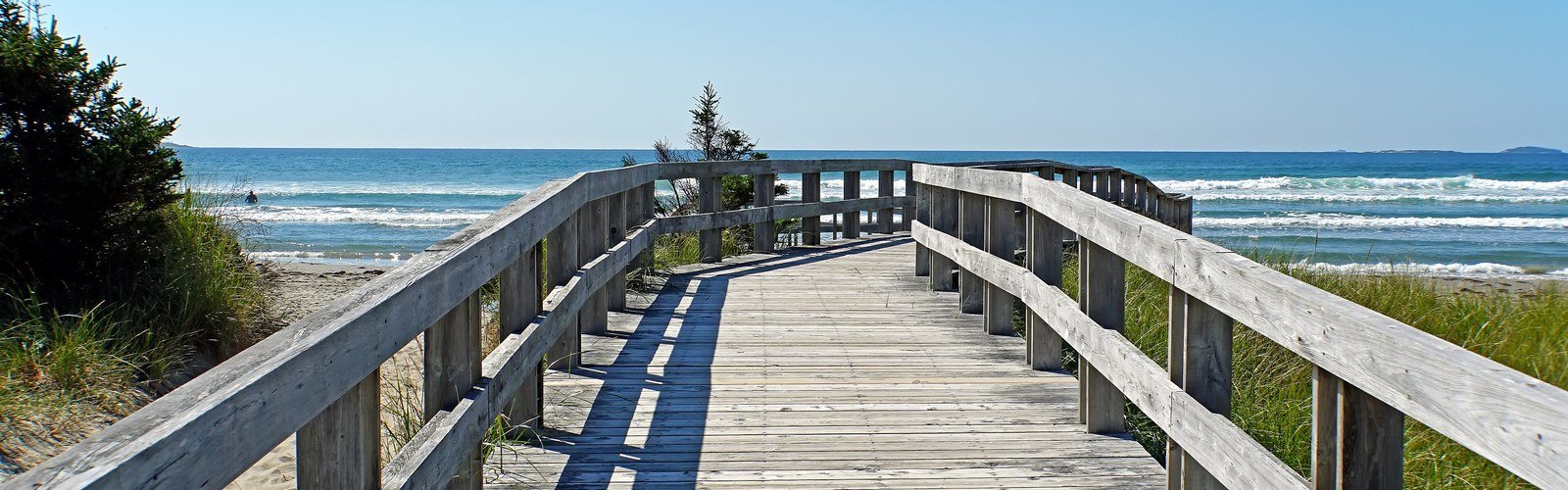
Cape Breton's trail network caters to every hiking preference and skill level. The Skyline Trail remains the island's most iconic hike, delivering breathtaking clifftop views and excellent wildlife viewing opportunities along its accessible boardwalk sections. For those seeking coastal drama, the Coastal Trail provides intimate encounters with Cape Breton's rugged shoreline.
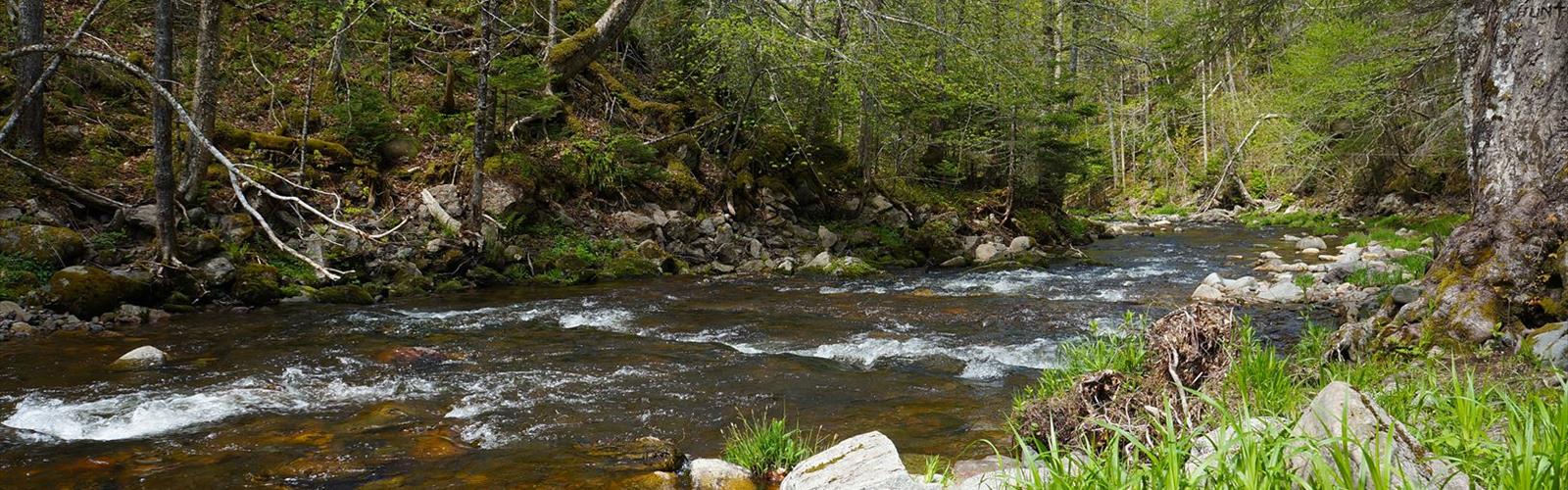
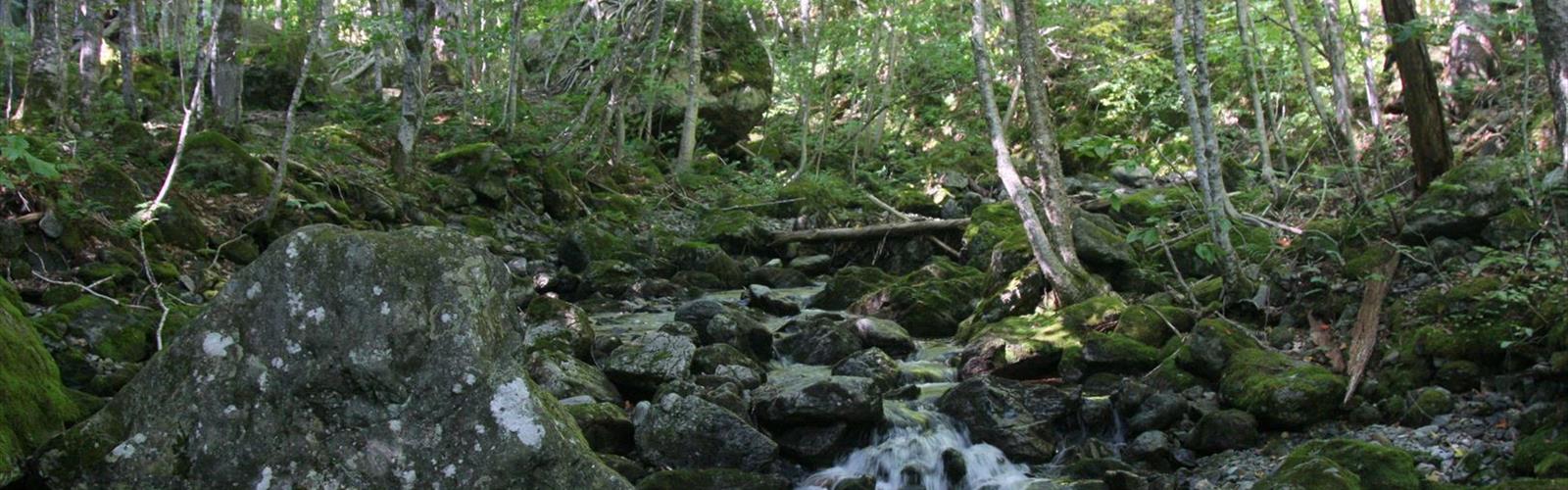
Mountain enthusiasts gravitate toward summit trails that reveal panoramic vistas across the Gulf of St. Lawrence and Atlantic Ocean. Meanwhile, forest trails wind through pristine Acadian woodlands, offering peaceful retreats and opportunities to discover the island's rich botanical diversity.
Difficulty Levels for Every Hiker
Cape Breton's randonnée trails accommodate hikers of all experience levels. Beginner-friendly options include well-maintained boardwalks and gentle coastal paths perfect for families and casual walkers. Intermediate trails challenge hikers with moderate elevation gains and longer distances through varied terrain. Advanced adventurers can tackle demanding summit ascents and backcountry routes that require navigation skills and wilderness experience.
Beyond Hiking Adventures
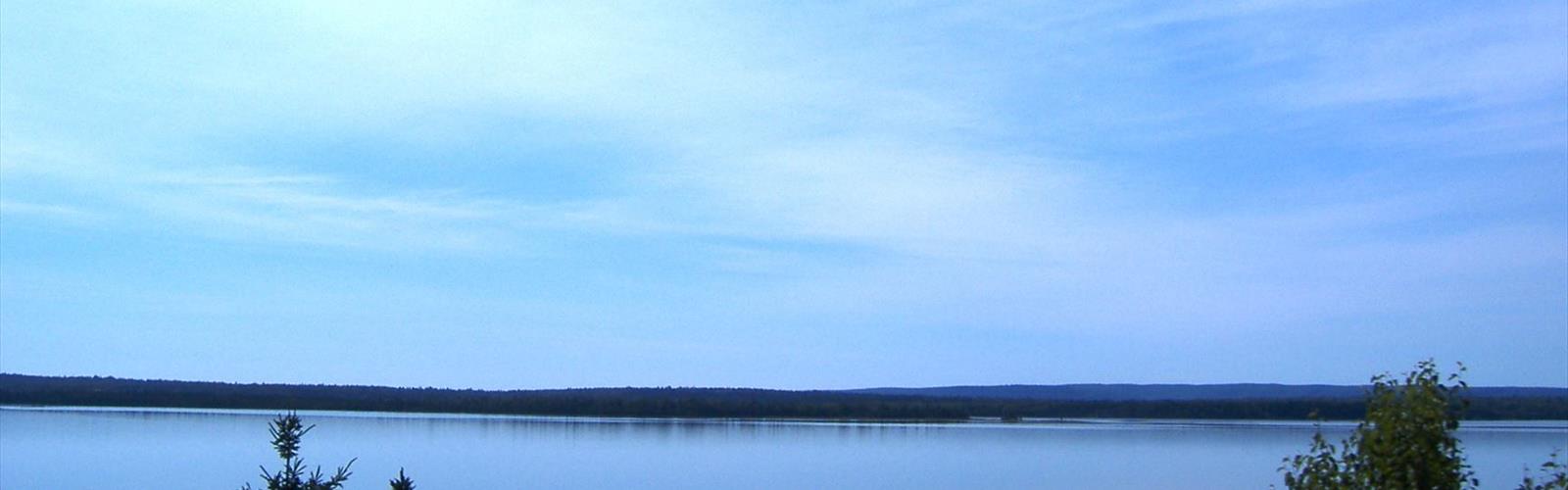
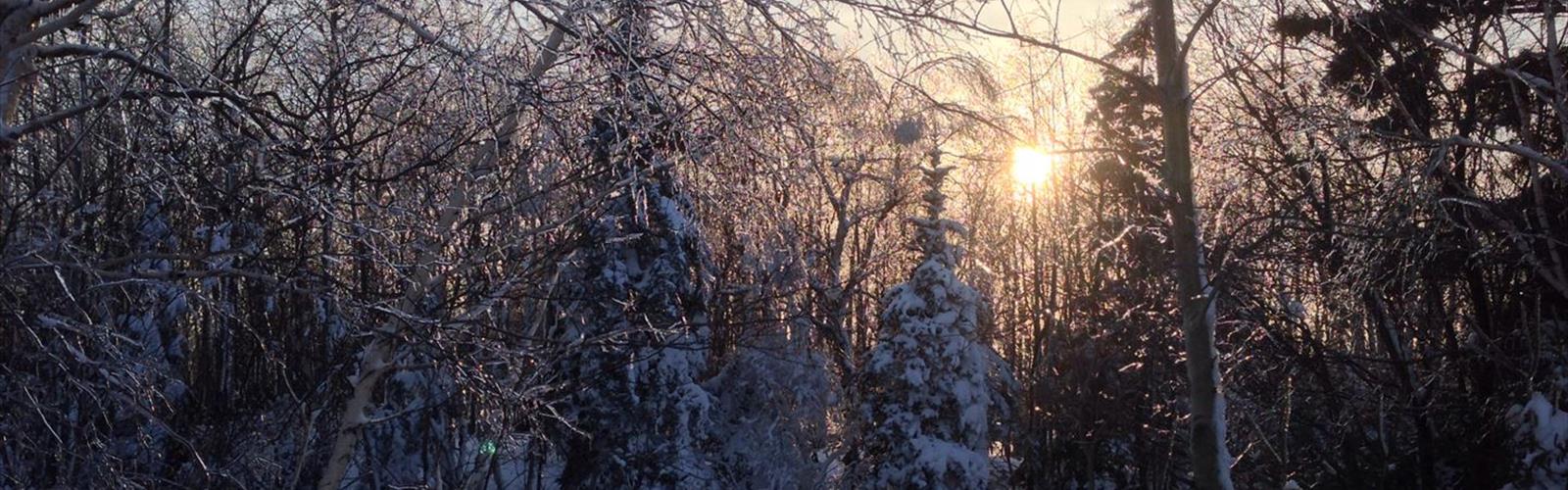
Cape Breton's outdoor recreation extends far beyond hiking trails. The island's pristine lakes offer exceptional kayaking and canoeing opportunities, while coastal waters provide world-class whale watching and sea kayaking experiences. Cycling enthusiasts can explore sections of the Cabot Trail, and winter transforms the landscape into a playground for snowshoeing and cross-country skiing.
The region's rich cultural heritage adds depth to outdoor adventures, with Gaelic and Acadian traditions still thriving in local communities along many trail routes.
Planning Your Cape Breton Adventure
The optimal hiking season runs from May through October, when trails are snow-free and wildlife is most active. Summer offers the warmest weather and longest daylight hours, while fall provides spectacular foliage and fewer crowds. Essential gear includes layered clothing for rapidly changing coastal weather, sturdy hiking boots for varied terrain, and rain protection.
Most trailheads are accessible via the Cabot Trail and connecting highways, with ample parking at popular locations. Always check current trail conditions and weather forecasts before heading out, as coastal conditions can change rapidly.