
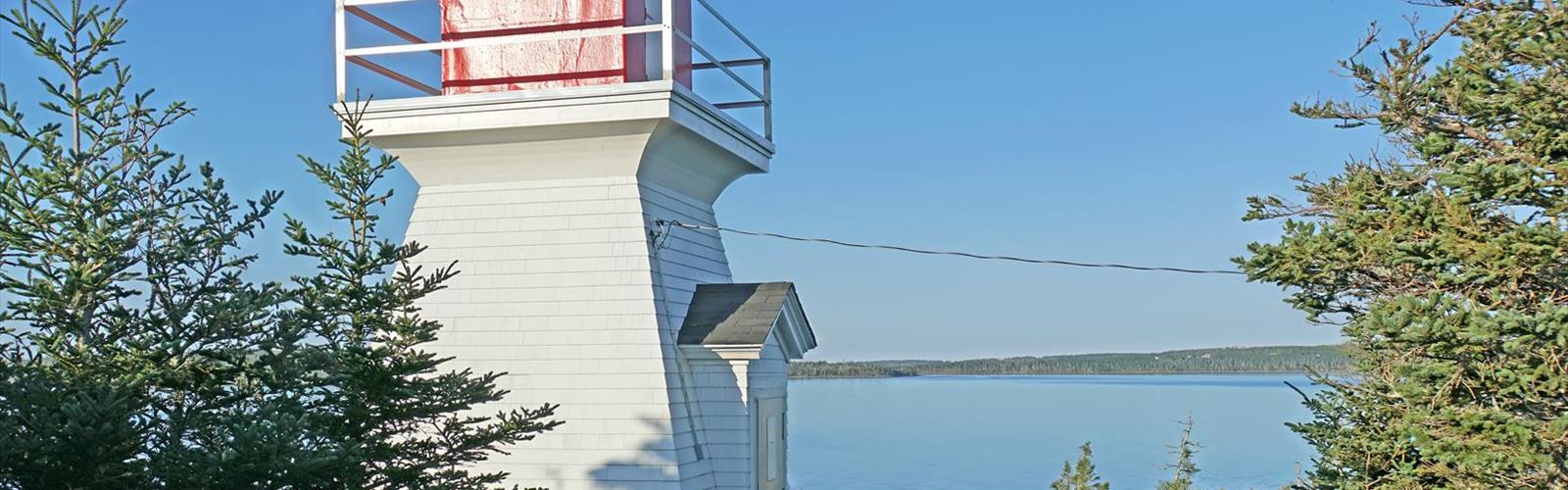

Ready to explore Taylor Head Provincial Park? Here's everything you need to know before you go!
Discover the trail

Trail description
Taylor Head Provincial Park sits on a peninsula along Nova Scotia's Eastern Shore, jutting into the Atlantic Ocean between Spry Bay and Mushaboom Harbour. Covering 950 hectares, it's one of the more rewarding coastal parks in the Halifax Dartmouth region — not because it's dramatic in a showy way, but because it packs so many different environments into a relatively compact area. In a single outing, you can move through dense boreal forest, cross windswept headlands, walk a sandy beach, and scramble along granite shoreline. That variety is what keeps people coming back.
The underlying geology here is granite — ancient, resistant bedrock that shapes everything about the park's character. It forms the rugged headlands, the rocky coves, and the wave-worn ledges along the exposed coastline. Where the granite gives way to more sheltered pockets, you get sandy beaches and small salt marshes where freshwater streams drain into the ocean. The interior forest is mostly red and white spruce, with hardwood stands tucked into the more protected valleys.
The Trail System
The park has several looped trails ranging from 2 km to 8 km, all clearly marked and maintained year-round. The longest loop — 8 km — takes roughly 2.5 hours at a comfortable pace and covers the most ground, giving you a solid cross-section of what the park has to offer. With only 100 m of elevation gain across the network, the terrain is genuinely easy; the challenge here comes from uneven footing on rocky sections, not from climbing.
The Spry Bay Trail is a good introduction to the park. It moves through the spruce interior before opening onto the rocky shores of Spry Bay, where you get clear sight lines across the water to the mainland coast. The trail surface shifts between soft forest floor and exposed granite slabs, so you'll want footwear with decent grip, but nothing technical is required.
The Bull Beach Trail takes you to the park's most exposed coastline. Out here, Atlantic swells hit the granite ledges directly, and the spray and wave noise make it feel genuinely wild even on a calm day. The trail alternates between sheltered forest sections — where the canopy cuts the wind — and open coastal barrens covered in low shrubs and hardy grasses. That back-and-forth between protected and exposed environments is one of the more interesting ecological contrasts in the park.
The Headland Trail leads to Taylor Head itself, where the views open up across the full sweep of the Eastern Shore. On a clear day you can see well offshore, and it's a good spot to watch for fishing boats or scan the water for marine wildlife. Because the headland is fully exposed, conditions can shift quickly — what starts as a sunny morning can turn breezy and cool by the time you reach the tip.
The sandy beaches accessible from the trail network offer a different kind of experience altogether. At low tide, tide pools appear along the rocky edges, worth a slow look if you're into marine life. During storms or high tide, the same spots can be surprisingly dramatic.
Wildlife
Seabirds are the most consistently visible wildlife in the park. Cormorants, gulls, and terns work the coastline throughout the warmer months, and during spring and fall migration, the park sits along the Atlantic flyway, making it a worthwhile stop for birders. White-tailed deer are common in the forest clearings and meadows, especially early morning and evening. Red squirrels and chipmunks are around throughout the day. Black bear and moose are present in the broader area, though encounters in the park itself are uncommon.
From the rocky shores — particularly near the headland — you have a reasonable chance of spotting seals hauled out or swimming close to shore. Porpoises are seen offshore with some regularity in summer, and whale sightings, while less predictable, do happen.
The plant life reflects the coastal exposure directly. On the most windward sites, spruce trees grow in the low, twisted krummholz form shaped by constant salt wind. Move into the sheltered valleys and those same trees grow tall and straight. Coastal wildflowers bloom through the growing season, with species adapted to sandy soils and salt spray.
Seasons
The park is open year-round. Summer is the most popular time — warm temperatures, long days, and peak marine wildlife activity. The beaches are at their best, and the full trail network is accessible without any special preparation beyond sun protection and water.
Fall is arguably the most atmospheric season. The hardwood sections of the forest turn, insect pressure drops off, and coastal storms start rolling through with enough frequency to make the exposed sections genuinely dramatic. Weather becomes less predictable, so checking the forecast before heading out matters more than it does in summer.
Winter hiking here is quieter and visually striking — snow on the coastal barrens, ice formations along the shore — but the park's exposure to ocean weather means conditions can be variable and sometimes icy underfoot. Shorter daylight hours require earlier starts.
Spring brings muddy trails and unpredictable weather, but also the return of migratory birds and the first coastal wildflowers. It's a good season for birding, less ideal if you're particular about dry footing.
What to Know Before You Go
There are no facilities inside the park, so bring everything you need — water, food, and layers. Coastal weather in Nova Scotia can change fast regardless of what the morning looked like, and the exposed sections of the trail offer no shelter. A rain layer is worth carrying even on clear days. Sturdy footwear with good traction handles both the forest sections and the rocky coastal terrain comfortably. Nearby communities along the Eastern Shore have dining and accommodation options if you're making a longer trip of it.
The Essential Hiking Checklist
Everything you need for your next hike. Bilingual, printable, 1 page.
Get your free hiking checklistRecommended gear for this trail
As an Amazon Associate I earn from qualifying purchases.


Ready to go?
Everything you need to know before you goStarting Point
The trails at the taylor head provincial park in Nova Scotia can be accessed via the park's main entrance.
When?
How much?
As an Amazon Associate I earn from qualifying purchases.
Affiliate links — LGPO may earn a commission at no extra cost to you.
- Hiking shoes Essential
- → Salomon Elixir Tour Mid WP · 203.38 $
- Layered clothing Essential
- Rain jacket Essential
- Trekking poles
- → Black Diamond Trail Ergo Cork · 69.99 $
- Headlamp
- → Petzl Actik Core 625 · 103.95 $
FAQ - Frequently asked questions
Everything you need to knowSimilar hikes nearby
Discover other trails you might enjoy
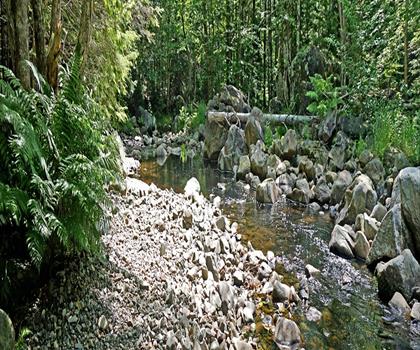
Crowbar Lake Trail
Eastern Shore
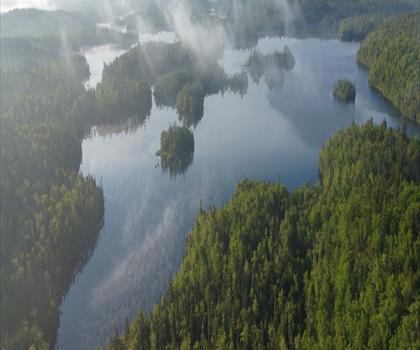
Lake Charlotte, Nova Scotia
Eastern Shore
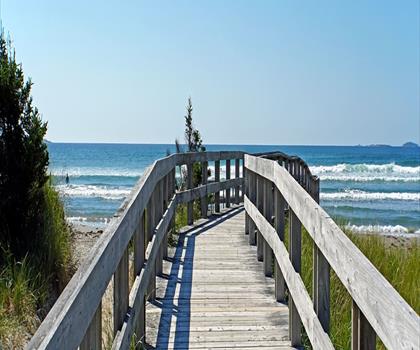
Clam Harbour Beach Provincial Park
Eastern Shore
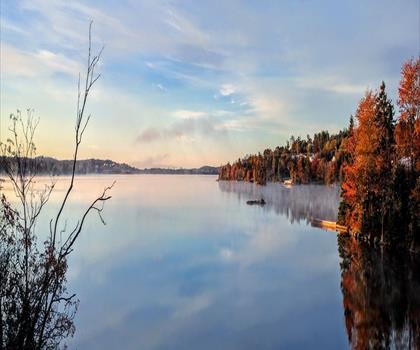
Porters Lake, Nova Scotia
Eastern Shore
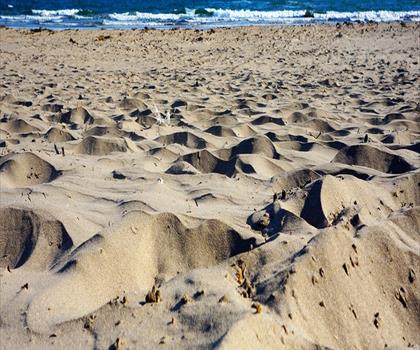
Lawrencetown Beach Provincial Park
Eastern Shore

Martinique Beach
Eastern Shore
Hiking near Truro
70 trails to explore ~80 km away
We work hard to provide the most up-to-date and error-free data possible. If something seems incorrect, let us know! Your contribution helps the whole community.
Hikers' opinions
Be the first to review!
No hiker has shared their experience yet. Share your impressions and help other hikers!