

Ready to explore Betty Sutherland Trail? Here's everything you need to know before you go!
Discover the trail
Trail description
The Betty Sutherland Trail is one of those rare urban escapes in the Greater Toronto Area that genuinely delivers on its promise. Following the East Don River through the East Don Parkland, this easy 2.5 km path gives you just enough nature to reset without asking much in return — about an hour and fifteen minutes of your day, flat terrain, and a decent pair of sneakers.
What makes it work is how quickly the city disappears. You step off the street, and within a few minutes the traffic noise gives way to moving water and birdsong. For a trail this close to Toronto's urban core, that transition feels almost surprising every time.
Terrain and Trail Character
With only 10 metres of elevation gain across its length, the Betty Sutherland Trail is about as flat as it gets. That's not a knock — it's genuinely part of the appeal. Families with strollers, older hikers, and anyone recovering from an injury will find this trail welcoming rather than challenging. The path is well-maintained and clearly defined, so you're not spending energy navigating or second-guessing your route.
The surface shifts as you move along the corridor. Some sections follow more established walkways, while others transition to softer earth paths cushioned by leaf litter. Neither presents any real difficulty, but the variety keeps the walk from feeling monotonous. The gentle curves of the trail as it follows the river's course mean you're constantly getting a slightly different view ahead of you.
The East Don River is your constant companion along the route. It changes character as you walk — quieter and deeper in some stretches, more active and rocky in others. Those natural soundscapes do a lot of the heavy lifting in making this feel like a real outdoor experience rather than a glorified sidewalk.
Wildlife and Natural Features
The East Don River corridor functions as a genuine wildlife corridor through the urban landscape, and the trail puts you right alongside it. Birdwatching is one of the consistent highlights — the riparian habitat draws both resident species and seasonal migrants, so what you see depends heavily on when you visit. Songbirds, woodpeckers, and waterfowl are all regular sightings.
Squirrels are abundant and not particularly shy. Chipmunks move quickly through the underbrush. Deer sightings happen, though they're more likely during quieter times of day when foot traffic is lighter. The river ecosystem also supports frogs and aquatic insects that add to the ambient soundscape, and patient observers can sometimes spot fish in the clearer pools along the route.
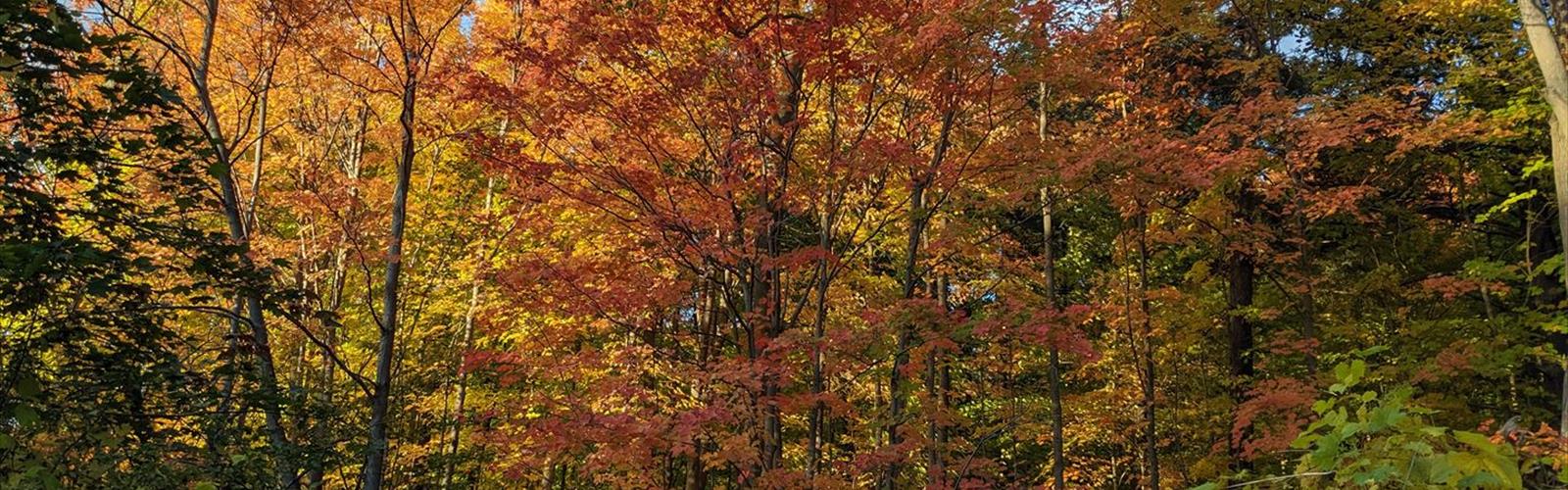
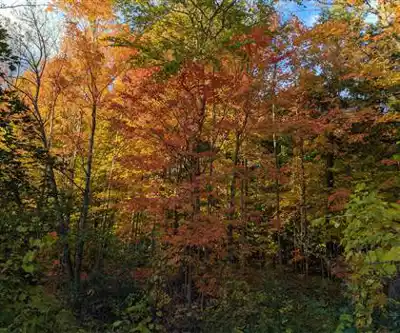
The plant life shifts noticeably with the seasons. Spring brings wildflowers along the path. Summer fills in the canopy and creates a natural tunnel effect through the wooded sections. Fall is particularly strong here — the combination of river views and changing leaves makes for some genuinely good photography. Winter strips things back to a quieter, more contemplative experience with occasional ice formations along the water's edge.
Access and Navigation
The trail has multiple entry points along Leslie Street and Sheppard Avenue East, which gives you real flexibility in how you approach it. You can start from the south and work north, or come in from Sheppard Avenue East and head south — both directions work well and offer slightly different perspectives on the same features. The multiple access points also make it easy to do a shorter section if you're short on time.
The Betty Sutherland Trail connects with other pathways in the East Don Parkland system, so if 2.5 km isn't enough, you can extend your outing by linking into the broader Don River valley trail network. That flexibility makes it useful for both quick weekday walks and longer weekend outings depending on what you're after.
Practical Information
You don't need specialized gear for this trail. Comfortable walking shoes or sneakers with decent tread are sufficient for most conditions. The one exception is wet weather — sections near the river can get slippery, and the trail can become muddy during spring snowmelt or after heavy rain. In those conditions, waterproof footwear makes a noticeable difference in comfort.
- Distance: 2.5 km
- Elevation gain: 10 m
- Difficulty: Easy
- Estimated time: 1 hour 15 minutes
- Access points: Leslie Street and Sheppard Avenue East
Benches are placed at intervals along the route, giving you spots to sit, watch the river, and take a break without having to find a log or a rock. Bring water on warmer days — the walk is easy, but hydration still matters when you're out in the sun. The trail connects to the broader East Don Parkland system, so if you want to extend your outing, the option is there without any additional planning required.
The Essential Hiking Checklist
Everything you need for your next hike. Bilingual, printable, 1 page.
Get your free hiking checklistRecommended gear for this trail
As an Amazon Associate I earn from qualifying purchases.


Ready to go?
Everything you need to know before you goStarting Point
The betty sutherland trail is located in the town of Schomberg, Ontario. To get to the start of the trails, take Highway 9 north from Toronto and exit onto County Road 27. Head east on County Road 27 and the trailhead will be on your right.
When?
How much?
As an Amazon Associate I earn from qualifying purchases.
Affiliate links — LGPO may earn a commission at no extra cost to you.
- Hiking shoes Essential
- → Salomon Elixir Tour Mid WP · 203.38 $
- Layered clothing Essential
- Rain jacket Essential
- Trekking poles
- → Black Diamond Trail Ergo Cork · 69.99 $
- Headlamp
- → Petzl Actik Core 625 · 103.95 $
FAQ - Frequently asked questions
Everything you need to knowSimilar hikes nearby
Discover other trails you might enjoy

Scarborough Bluffs Trail
Greater Toronto Area
Trillium Park
Greater Toronto Area

Balmy Beach Park
Greater Toronto Area
High Park
Greater Toronto Area
Colonel Samuel Smith Park
Greater Toronto Area
Mimico Waterfront Park
Greater Toronto Area
Hiking near Toronto
168 trails to explore ~13 km away
We work hard to provide the most up-to-date and error-free data possible. If something seems incorrect, let us know! Your contribution helps the whole community.
Hikers' opinions
Be the first to review!
No hiker has shared their experience yet. Share your impressions and help other hikers!