
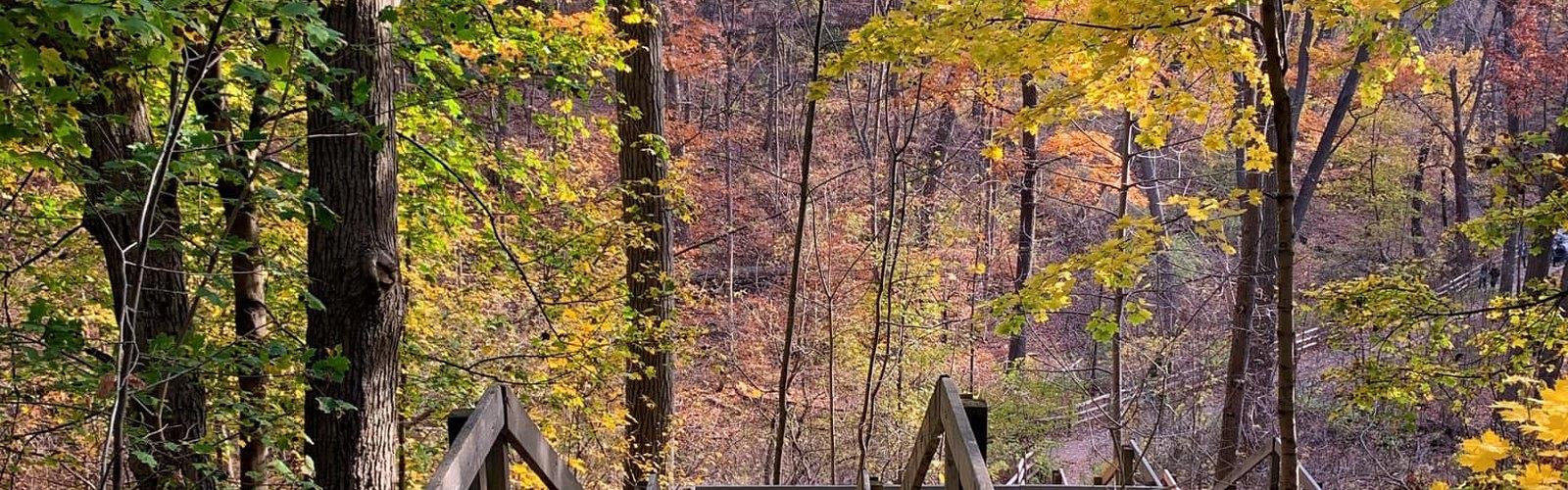

Ready to explore Glen Stewart Park? Here's everything you need to know before you go!
Discover the trail
Oh no! We don't have any photos 😢
This trail hasn't been captured yet. Be the first to share your adventure!Trail description
Glen Stewart Park sits quietly in Toronto's Beaches neighbourhood, offering a genuine escape into nature just minutes from the city's lakefront. This ravine park transforms an urban creek valley into a real hiking experience, complete with forest canopy, wildlife sightings, and the kind of natural quiet that makes you forget you're still well within city limits.
The park centres around Glen Stewart Ravine, a preserved natural corridor that has remained largely untouched since conservation efforts began in the early 20th century. What makes this spot stand out isn't just its accessibility — it's how completely it shifts your surroundings. Step off Queen Street East and within minutes you're walking beneath mature trees along a babbling creek, with birdsong replacing traffic noise.
Trail Network and Terrain
The main trail system follows the natural contours of the ravine, winding downward through mixed forest before running alongside the creek. Well-maintained paths work for hikers of all experience levels — families with young children, casual walkers, and anyone looking for a solid urban nature outing. The primary route descends through the heart of the ravine, where towering trees create a canopy that filters sunlight into dappled patterns across the forest floor.
The terrain offers more variety than you'd expect from a city park. You'll navigate gentle slopes, cross small wooden bridges over tributary streams, and follow the main creek as it winds toward Lake Ontario. With about 20 metres of elevation change, there's just enough up and down to feel like actual hiking without pushing anyone's limits. Rocky outcroppings and exposed root systems add natural texture that keeps the walking interesting.
Multiple connecting trails branch off the main route, letting you extend your outing or explore quieter corners of the ravine. These secondary paths tend to be less travelled, which means better odds of spotting wildlife or simply finding a peaceful spot to sit and listen to the water.
Wildlife and Natural Features
The preserved ecosystem here supports a solid variety of urban wildlife. Birds are the most obvious residents — cardinals, blue jays, chickadees, and several woodpecker species are regulars. Squirrels and chipmunks are everywhere, and the occasional deer sighting is a reminder that this green corridor connects to broader natural areas within the city's ravine network.
The creek is the park's defining feature, providing both the soundtrack for your hike and habitat for small aquatic creatures. After heavy rain or spring snowmelt, the water picks up speed and creates small rapids and pools. During drier stretches, it settles into a gentle stream where you can watch aquatic insects and sometimes spot a frog along the banks.
Native plant communities thrive throughout the ravine. Spring brings wildflowers that spread across sections of the forest floor while the trees are still bare. Summer fills in the full canopy of maple, oak, and other deciduous species mixed with evergreens. The understory layers in ferns, native shrubs, and seasonal flowering plants that shift the park's character noticeably from one month to the next.
Seasonal Highlights
Spring is one of the best times to visit. Wildflowers emerge while the trees are still leafing out, so you get colour on the ground and open sky above at the same time. As the canopy fills in, the ravine becomes increasingly enclosed and private — a different experience entirely from the open feeling of early spring.
Summer keeps the trails noticeably cooler than the surrounding streets. The full canopy provides real shade, and the creek adds a natural cooling effect that makes midday hikes comfortable even during Toronto's humid stretches.
Fall turns Glen Stewart into one of the better spots in the city for autumn colour. The mixed forest produces a full range of reds, oranges, and yellows, and the thinning canopy starts to reveal the ravine's structure in ways that summer's foliage hides completely.
Winter hiking here is quieter and worth trying at least once. Snow settles on the trails and bare branches, the creek continues flowing with ice formations building along its edges, and the open sightlines through leafless trees show you the ravine's topography in a way no other season allows.
Access and Practical Information
Glen Stewart Park's location in the Beaches makes it easy to reach without a car. The Queen streetcar stops nearby, and several TTC bus routes serve the area. If you're driving, street parking is available on surrounding residential streets, though spots fill up quickly on summer weekends when beach visitors are competing for the same spaces.
The park is open year-round with no admission fee. The main access point is from Queen Street East near Glen Manor Drive, with additional entrances from surrounding residential streets that allow for loop routes starting and ending at different points.
Trail conditions are generally solid, though spring snowmelt and heavy rain can leave muddy sections. Comfortable walking shoes with decent grip are the right call, especially in wet conditions or winter. The trails aren't technically demanding, but roots, rocks, and the occasional steeper pitch make proper footwear worth it.
Dogs are welcome but must be kept on leash. The park sees steady use from local dog walkers who know the trails well, so you'll rarely feel like you have the place to yourself — but it rarely feels crowded either. Since the trail network is compact, most visits don't require much in the way of supplies, and Queen Street East is just steps away when you're done with everything from coffee shops to full restaurants.
The Essential Hiking Checklist
Everything you need for your next hike. Bilingual, printable, 1 page.
Get your free hiking checklistRecommended gear for this trail
As an Amazon Associate I earn from qualifying purchases.


Ready to go?
Everything you need to know before you goStarting Point
The glen stewart park is located in Toronto, Ontario. To get to the start of the trails, take the subway to the St. Clair West station and walk south on St. Clair Avenue. The park will be on your right.
When?
How much?
As an Amazon Associate I earn from qualifying purchases.
Affiliate links — LGPO may earn a commission at no extra cost to you.
- Hiking shoes Essential
- → Salomon Elixir Tour Mid WP · 203.38 $
- Layered clothing Essential
- Rain jacket Essential
- Trekking poles
- → Black Diamond Trail Ergo Cork · 69.99 $
- Headlamp
- → Petzl Actik Core 625 · 103.95 $
FAQ - Frequently asked questions
Everything you need to knowSimilar hikes nearby
Discover other trails you might enjoy

Scarborough Bluffs Trail
Greater Toronto Area
Trillium Park
Greater Toronto Area
Balmy Beach Park
Greater Toronto Area
High Park
Greater Toronto Area
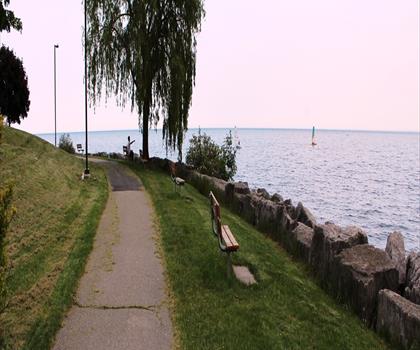
Colonel Samuel Smith Park
Greater Toronto Area
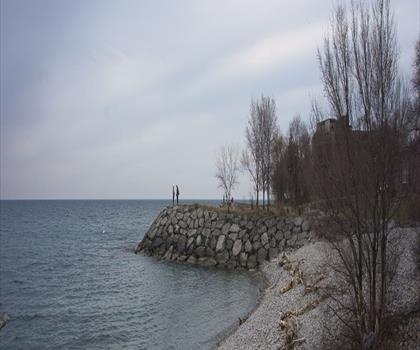
Mimico Waterfront Park
Greater Toronto Area
Hiking near Toronto
168 trails to explore ~8 km away
We work hard to provide the most up-to-date and error-free data possible. If something seems incorrect, let us know! Your contribution helps the whole community.
Hikers' opinions
Be the first to review!
No hiker has shared their experience yet. Share your impressions and help other hikers!