
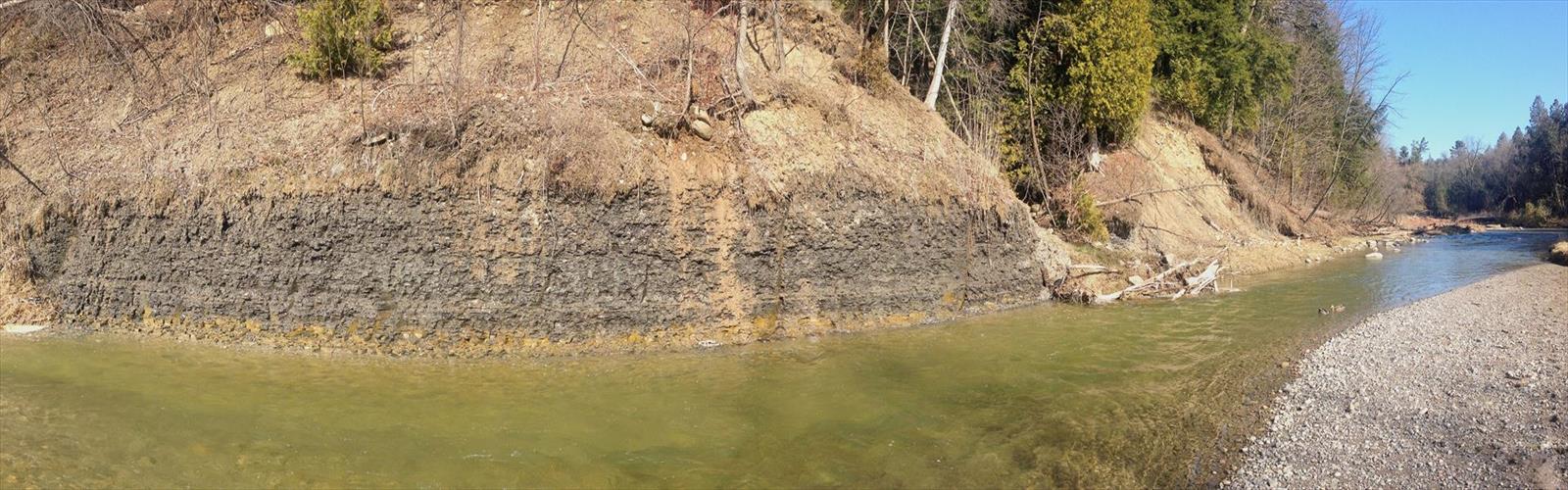

Ready to explore Mast Trail? Here's everything you need to know before you go!
Discover the trail
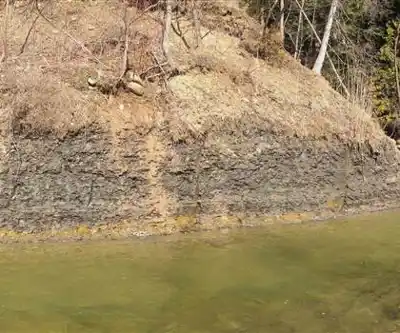
Trail description
The Mast Trail runs through Rouge National Urban Park, one of the few places in the Greater Toronto Area where you can genuinely feel like you've left the city behind. The trail takes its name from the logging history of the region — in the 1800s, massive white pine logs destined to become ship masts were hauled along this same route toward Lake Ontario. That history is still part of the experience today, with sections of the trail following the original logging path through mature forest.
At 1.2 km with 92 metres of elevation gain, this is a short but satisfying hike that punches above its weight. The elevation change is real enough to make it feel like a proper outing, and the forest canopy creates an atmosphere that's hard to believe exists this close to one of Canada's largest cities.
Trail Experience and Terrain
Despite its easy difficulty rating, the Mast Trail isn't a flat walk in the park. The 92-metre elevation gain is concentrated enough that you'll feel it in your legs, especially on the way up. The terrain alternates between packed earth, exposed roots, and rocky sections that reward hikers who pay attention to their footing. It's manageable for most fitness levels, but sturdy footwear makes a real difference — trail runners or hiking boots are a better call than casual sneakers, particularly after rain when roots and rocks get slippery.
The forest canopy overhead is one of the trail's defining features. Mature trees filter the light into shifting patterns on the forest floor, and the density of the vegetation creates a genuine sense of enclosure. In some stretches, the trail widens noticeably — a remnant of the old logging route that gives the path its name. These wider sections offer a subtle but tangible connection to the area's 19th-century history.
Plan for about 50 minutes to complete the trail at a comfortable pace. That's enough time to take in the surroundings without rushing, and leaves room to stop and look around without feeling like you're falling behind schedule.
Wildlife and Natural Features
Rouge National Urban Park supports a surprisingly diverse ecosystem, and the Mast Trail puts you right in the middle of it. White-tailed deer are a regular presence, most often spotted during early morning or late afternoon when they're most active. Their paths cross the main trail in several spots, which is worth keeping in mind if you're moving quietly and hoping for a sighting.
Red foxes live in the area year-round, though actually seeing one takes patience and slow movement. More often, you'll notice their tracks in muddy sections or signs of their activity along the trail edges. Woodpeckers are a near-constant presence in the forest — their drumming carries well through the trees and becomes a reliable part of the ambient soundtrack on most visits.
The understory vegetation shifts as you move through the trail, with ferns and mosses filling the shadier sections and seasonal wildflowers appearing in clearings. The mixed hardwood canopy reflects southern Ontario's forest character and changes dramatically with the seasons.
Seasonal Conditions
The trail is open year-round, and each season changes the experience in meaningful ways.
- Spring: Wildflowers and increased bird activity make this a rewarding time to visit, but muddy conditions on rocky sections require extra care. The emerging foliage is worth the tradeoff.
- Summer: Full canopy cover keeps the trail cooler than open routes, but insect activity picks up — bring repellent. Weekday mornings offer more solitude than weekend afternoons.
- Fall: The mixed forest delivers strong fall colour, typically peaking in early to mid-October. Temperatures are comfortable and insects are largely gone, though fallen leaves can obscure rocky sections and trail markers.
- Winter: Snow transforms the trail into something quieter and more open — bare trees reveal terrain features that disappear under summer foliage. Ice on rocky sections is a real consideration, so footwear with solid traction is important.
Planning Your Visit
Water and a snack are worth bringing even on a short hike like this, especially in warmer months. The trail is well-marked throughout, but picking up a park map before you head out is a good habit — it helps you understand how the Mast Trail connects to the broader Rouge National Urban Park trail network, which opens up options for extending your day if you want more time outside.
Rouge National Urban Park is accessible by both car and public transit from multiple points across the Greater Toronto Area. Parking demand peaks on weekend mornings, particularly during fall foliage season, so arriving early gives you the best chance of a smooth start. Checking current trail conditions on the Parks Canada website before heading out is always a smart move, especially in spring and after significant rainfall.
As with all trails in Rouge National Urban Park, Leave No Trace principles apply — pack out everything you bring in, stay on the designated trail, and give wildlife plenty of space.
The Essential Hiking Checklist
Everything you need for your next hike. Bilingual, printable, 1 page.
Get your free hiking checklistRecommended gear for this trail
As an Amazon Associate I earn from qualifying purchases.


Ready to go?
Everything you need to know before you goStarting Point
The mast trail is located in the town of Ontario in Wayne County, New York. To get to the start of the trails, take exit 42 off of Interstate 90 and head north on Route 104. The trailhead will be on your left after about 2.5 miles.
When?
How much?
As an Amazon Associate I earn from qualifying purchases.
Affiliate links — LGPO may earn a commission at no extra cost to you.
- Hiking shoes Essential
- → Salomon Elixir Tour Mid WP · 203.38 $
- Layered clothing Essential
- Rain jacket Essential
- Trekking poles
- → Black Diamond Trail Ergo Cork · 69.99 $
- Headlamp
- → Petzl Actik Core 625 · 103.95 $
FAQ - Frequently asked questions
Everything you need to knowSimilar hikes nearby
Discover other trails you might enjoy

Scarborough Bluffs Trail
Greater Toronto Area
Trillium Park
Greater Toronto Area

Balmy Beach Park
Greater Toronto Area
High Park
Greater Toronto Area
Colonel Samuel Smith Park
Greater Toronto Area
Mimico Waterfront Park
Greater Toronto Area
Hiking near Toronto
168 trails to explore ~26 km away
We work hard to provide the most up-to-date and error-free data possible. If something seems incorrect, let us know! Your contribution helps the whole community.
Hikers' opinions
Be the first to review!
No hiker has shared their experience yet. Share your impressions and help other hikers!