

Ready to explore Moore Park Ravine? Here's everything you need to know before you go!
Discover the trail
Trail description
Moore Park Ravine cuts through Toronto's midtown core like a green ribbon, offering an unexpected wilderness experience just minutes from busy Yonge Street. This urban oasis transforms a natural valley system into an accessible hiking destination where city dwellers can step into genuine forest without leaving the Greater Toronto Area.
The ravine creates a natural corridor that feels remarkably removed from urban life despite being surrounded by residential neighbourhoods. Dense canopy cover filters out city sounds, while the rolling terrain keeps things interesting without ever feeling overwhelming. At 3.2 km with just 52 m of elevation gain, it's rated Easy and takes most hikers around 50 minutes to complete — making it a realistic option for a lunch break, an after-work walk, or a casual weekend outing.
Trail Terrain and What to Expect
The trail follows the natural contours of the ravine, winding through mature deciduous forest where maples and oaks form a canopy that feels genuinely cathedral-like, especially during spring leaf-out and fall colour. Trail surfaces shift between packed earth, wooden boardwalks over wetter sections, and natural stone steps carved into hillsides. Small bridges handle the creek crossings, and rocky outcroppings along the way make natural rest spots.
The elevation changes are gentle but consistent enough to give your legs something to work with. You're not grinding up switchbacks, but you're not walking a flat path either — the undulating terrain keeps the experience dynamic throughout. Beginners will feel comfortable on the main trail, which is well-signed and straightforward. More curious hikers can branch off onto side trails that lead into quieter corners of the ravine where foot traffic thins out considerably.
Historical Layer: The Beltline Railway
One of the things that makes Moore Park Ravine more than just a pretty walk is its connection to Toronto's transportation history. The trail follows portions of the historic Beltline Railway, a late 19th-century rail line that briefly carried freight around Toronto's perimeter before being abandoned in the 1890s. That industrial past left behind a trail corridor with excellent grades — railway engineers built for efficiency, which means today's hikers benefit from paths that move through the landscape without unnecessary steep pitches.
Old bridge abutments and graded railway beds still appear along the route, giving the hike an archaeological quality that rewards those who slow down and look around. These remnants are easy to miss if you're moving quickly, but they add real depth to the experience for anyone interested in how this landscape has shifted from industrial corridor to urban green space over the past century.
Wildlife and Natural Environment
For an urban ravine, Moore Park supports a genuinely diverse ecosystem. The protected valley creates microclimates that shelter plant communities you wouldn't expect to find this close to downtown Toronto. Spring brings wildflower displays across the forest floor, and summer delivers the full green canopy that makes the ravine feel insulated from the city above.
Wildlife is present year-round. Squirrels and chipmunks are constant trail companions, and rabbits tend to appear in the more open areas during early morning and evening. The ravine functions as an important bird corridor — cardinals, blue jays, and woodpeckers are reliable year-round sightings, while spring and fall migrations bring waves of warblers and other songbirds that make this a legitimate urban birding destination. The soundscape here is one of the ravine's underrated qualities: bird calls, rustling leaves, and the steady sound of the creek do a surprisingly effective job of masking the city noise above.
Access and Getting There
Moore Park Ravine has multiple entry points, which gives you flexibility in how you approach the hike. Public transit users can reach the ravine via TTC bus routes and subway stations, with access points near Rosedale and Summerhill stations being among the most popular. This also makes point-to-point walks practical — you can start at one end and finish near a different station without backtracking.
Street parking is available near most entry points for those driving, though spots fill up quickly on weekends during peak seasons. The distributed access system means you can also tailor your starting point based on which section of the ravine you most want to explore.
Seasonal Notes
Spring and fall are the standout seasons here. Spring brings emerging wildflowers and returning bird life, while fall delivers the classic Ontario hardwood colour show — the maples in particular put on a strong display. Summer hiking stays comfortable thanks to the canopy shade, though earlier starts are worth it on hot days. Winter is viable for those with proper footwear and traction devices; snow transforms the ravine into a quieter, more solitary experience that regular visitors tend to appreciate.
Year-round, good footwear with solid tread is the most important piece of gear — trail surfaces get slippery when wet, and the uneven terrain benefits from ankle support. The urban location means you're never far from amenities, but carrying water is still a good habit, especially if you plan to explore beyond the main trail.
The Essential Hiking Checklist
Everything you need for your next hike. Bilingual, printable, 1 page.
Get your free hiking checklistRecommended gear for this trail
As an Amazon Associate I earn from qualifying purchases.


Ready to go?
Everything you need to know before you goStarting Point
The moore park ravine is located in Toronto, Ontario. To get to the start of the trails, take the subway to Eglinton Station and walk south on Eglinton Avenue. The ravine will be on your left.
When?
How much?
As an Amazon Associate I earn from qualifying purchases.
Affiliate links — LGPO may earn a commission at no extra cost to you.
- Hiking shoes Essential
- → Salomon Elixir Tour Mid WP · 203.38 $
- Layered clothing Essential
- Rain jacket Essential
- Trekking poles
- → Black Diamond Trail Ergo Cork · 69.99 $
- Headlamp
- → Petzl Actik Core 625 · 103.95 $
FAQ - Frequently asked questions
Everything you need to knowSimilar hikes nearby
Discover other trails you might enjoy

Scarborough Bluffs Trail
Greater Toronto Area
Trillium Park
Greater Toronto Area
Balmy Beach Park
Greater Toronto Area
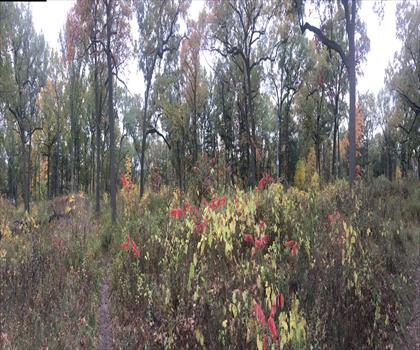
High Park
Greater Toronto Area
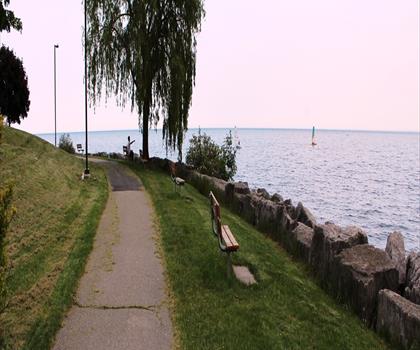
Colonel Samuel Smith Park
Greater Toronto Area
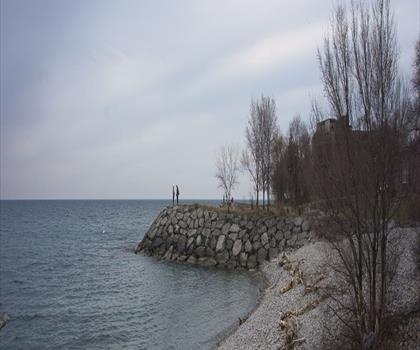
Mimico Waterfront Park
Greater Toronto Area
Hiking near Toronto
168 trails to explore ~5 km away
We work hard to provide the most up-to-date and error-free data possible. If something seems incorrect, let us know! Your contribution helps the whole community.
Hikers' opinions
Be the first to review!
No hiker has shared their experience yet. Share your impressions and help other hikers!