


Ready to explore Rouge National Urban Park? Here's everything you need to know before you go!
Discover the trail
Trail description
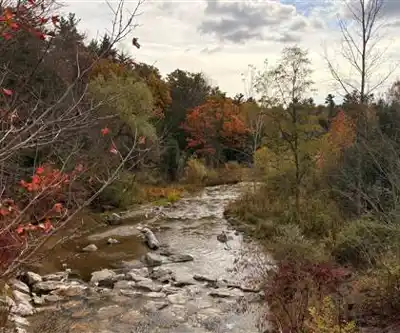
Rouge National Urban Park sprawls across 79 square kilometers of surprisingly diverse terrain just outside Toronto, making it Canada's first national urban park and one of the most accessible wilderness experiences in the Greater Toronto Area. The park weaves together dense hardwood forests, meandering creeks, open meadows, and remnant farmland into a landscape that feels genuinely wild despite its proximity to Canada's largest city.
Trail Network and Hiking Options
The park's trail system covers more than 12 kilometers, offering everything from gentle family walks to more demanding forest hikes. The terrain varies dramatically across the park, from flat riverside paths to rolling hills that provide unexpected elevation changes and viewpoints.
The Vista Trail delivers exactly what its name promises in a manageable 1.5-kilometer loop. This moderate trail climbs through mixed woodlands of maple, oak, and birch before opening onto elevated meadows. The payoff comes at several viewpoints where the forest breaks to reveal sweeping views across the park's valleys and, on clear days, glimpses of Toronto's downtown skyline creating an interesting contrast between urban and natural landscapes. The trail surface is well-maintained but includes some rocky sections and moderate inclines that require basic hiking fitness.
For a more relaxed experience, the Orchard Trail offers 2.3 kilometers of easy walking through the park's agricultural heritage areas. This trail passes through working and abandoned orchards, with interpretive opportunities at historic farmsteads that dot the route. The path is mostly flat and suitable for families with children, following old farm roads and mowed paths between fruit trees. Spring brings apple and cherry blossoms, while fall offers the chance to see heritage fruit varieties still growing on century-old trees.
The Mast Trail provides the most substantial hiking experience at 5 kilometers through the park's densest forest sections. Following Little Rouge Creek for much of its length, this trail immerses hikers in mature woodland where towering trees create a canopy that filters sunlight into dappled patterns on the forest floor. The creek provides a constant soundtrack of flowing water, and several spots allow access to the water's edge. Wildlife sightings are most common along this trail, particularly in early morning or late afternoon when deer, foxes, and various bird species are most active.
Natural Environment and Wildlife
The park's ecosystem supports an impressive diversity of wildlife for an urban-adjacent area. Over 225 bird species have been documented here throughout the year, making it a significant destination for birdwatchers. The varied habitats attract different species: forest birds like woodpeckers and nuthatches in the wooded areas, waterfowl along the creeks and wetlands, and grassland species in the meadows and old fields.
The plant communities change noticeably as you move through different areas of the park. The forests contain both deciduous and mixed sections, with sugar maples, red oaks, and white pines dominating different areas. Wetland zones support cattails, sedges, and seasonal wildflower displays. Spring brings trilliums, bloodroot, and other woodland wildflowers, while summer meadows bloom with goldenrod, asters, and native grasses. Fall foliage can be spectacular, particularly in the maple-dominated sections of the Vista Trail.
Little Rouge Creek and its tributaries form the park's water features, creating riparian corridors that support both aquatic life and the terrestrial animals that depend on water sources. These creek valleys also create the most dramatic topographical features in the park, with steep banks and small gorges that add visual interest to the hiking experience.
Cultural and Historical Significance
The landscape tells a layered story of human habitation spanning thousands of years. Indigenous peoples, including ancestors of today's Haudenosaunee and Anishinaabe nations, lived in this area for millennia, and archaeological sites throughout the park preserve evidence of their presence. These sites offer insights into traditional ways of life and the long relationship between people and this land.
European settlement beginning in the 18th and 19th centuries transformed much of the area into farmland, and remnants of this agricultural period are visible throughout the park. Stone foundations, old fence lines, and heritage fruit trees mark former homesteads and field boundaries. The Orchard Trail specifically highlights this agricultural heritage, passing several sites where interpretive information explains the farming practices and daily life of early settlers.
Access and Practical Information
Rouge National Urban Park benefits from excellent accessibility from Toronto and surrounding communities. Multiple entry points serve different areas of the park, with the main visitor facilities located near the intersection of Twyn Rivers Drive and Meadowvale Road in Scarborough. Ample parking is available at the main entrance, and additional parking areas serve specific trailheads throughout the park.
The park operates year-round, though trail conditions and accessibility vary significantly with the seasons. Spring and fall offer the most comfortable hiking temperatures and the most dramatic natural displays, while summer can be hot and humid with increased insect activity. Winter transforms the park into a snow-covered landscape suitable for snowshoeing and winter hiking, though some trails may not be maintained during snow season.
Trail surfaces range from paved sections near visitor facilities to natural earth paths in the forest areas. Most trails are well-marked with regular signage, though carrying a park map is recommended for longer hikes or when exploring multiple trail connections. The park's proximity to urban areas means cell phone coverage is generally reliable throughout most areas.
Recommended gear for this trail
As an Amazon Associate I earn from qualifying purchases.


Ready to go?
Everything you need to know before you goStarting Point
The rouge national urban park is located in Scarborough, Ontario. The easiest way to get there is by car.
When?
How much?
As an Amazon Associate I earn from qualifying purchases.
Affiliate links — LGPO may earn a commission at no extra cost to you.
- Hiking shoes Essential
- → Salomon Elixir Tour Mid WP · 203.38 $
- Layered clothing Essential
- Rain jacket Essential
- Trekking poles
- → Black Diamond Trail Ergo Cork · 69.99 $
- Headlamp
- → Petzl Actik Core 625 · 103.95 $
FAQ - Frequently asked questions
Everything you need to know
25 hikes under 2 hours from Montreal
Distance, elevation, parking and season for each one. The ones we go back to ourselves.
Get the guideSimilar hikes nearby
Discover other trails you might enjoy

Scarborough Bluffs Trail
Greater Toronto Area

Trillium Park
Greater Toronto Area
Balmy Beach Park
Greater Toronto Area
High Park
Greater Toronto Area
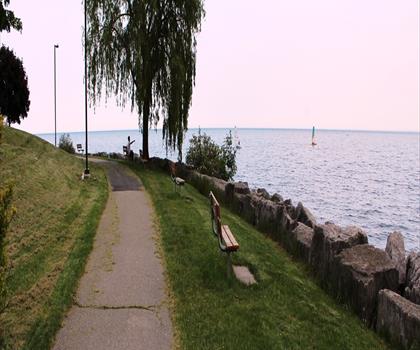
Colonel Samuel Smith Park
Greater Toronto Area
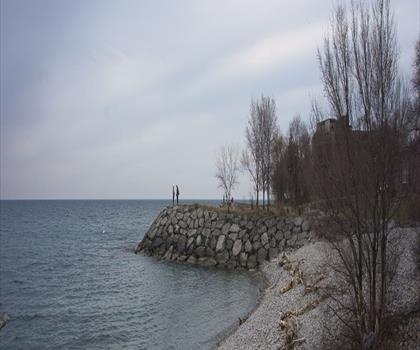
Mimico Waterfront Park
Greater Toronto Area
Hiking near Toronto
168 trails to explore ~25 km away
We work hard to provide the most up-to-date and error-free data possible. If something seems incorrect, let us know! Your contribution helps the whole community.
Hikers' opinions
Be the first to review!
No hiker has shared their experience yet. Share your impressions and help other hikers!