

Ready to explore W Humber Trail? Here's everything you need to know before you go!
Discover the trail
Trail description
The W Humber Trail carves a peaceful 4.8-kilometer path through Toronto's greenbelt, following the meandering West Humber River as it winds through some of the city's most tranquil natural spaces. This moderate trail offers 300 meters of elevation gain over approximately 2.5 hours, making it a solid workout without being overwhelming for most hikers.
What sets this trail apart from other urban hiking options in the Greater Toronto Area is its genuine sense of wilderness despite being easily accessible from the city. The path feels surprisingly remote as it dips into river valleys and climbs through mature forest sections, yet you're never more than a few kilometers from major transit routes and amenities.
Trail Experience and Terrain
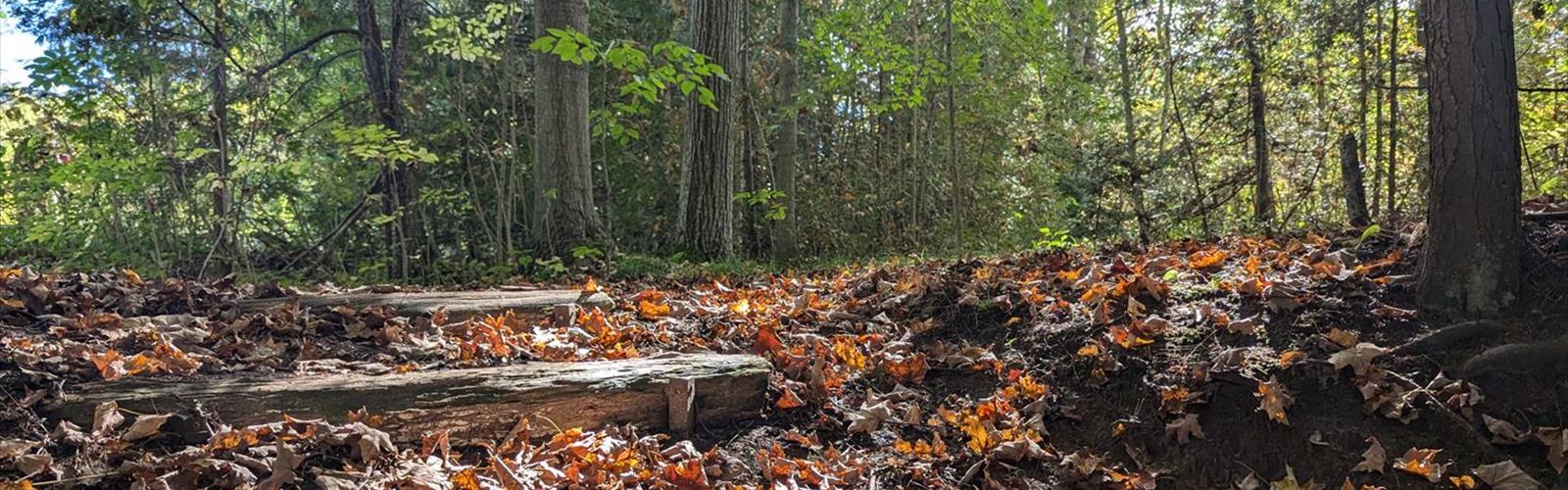
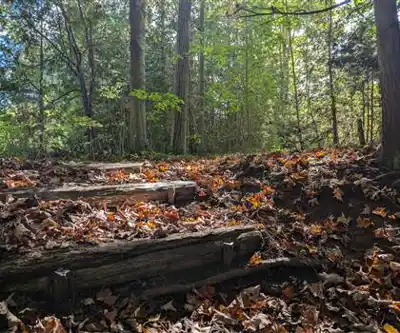
The W Humber Trail's terrain varies considerably as you progress along the route, keeping the hike interesting from start to finish. You'll encounter well-maintained dirt paths, occasional wooden boardwalk sections over wetland areas, and some rocky stretches where the trail climbs away from the river. The moderate elevation gain is distributed fairly evenly, with a few steeper sections that get your heart rate up but nothing that requires scrambling or technical hiking skills.
The West Humber River serves as your constant companion, sometimes rushing alongside the trail and other times meandering quietly through deeper pools. During spring snowmelt and after heavy rains, the river runs higher and faster, creating a more dramatic soundtrack for your hike. In summer and fall, the gentler flow reveals more of the rocky streambed and creates perfect spots for a quick rest.
Mature trees form a substantial canopy over much of the route, providing welcome shade during Toronto's hot summers and creating one of the area's most spectacular fall color displays. The forest composition changes as you move along the trail—you'll walk through sections dominated by maple and oak, then transition into areas where pine and cedar take over, particularly in the moister areas near the river.
Wildlife and Natural Features
The W Humber Trail consistently delivers wildlife sightings that surprise many visitors expecting a typical urban park experience. Birds are the most reliable wildlife encounter—keep an eye out for red-winged blackbirds in the wetland sections, various woodpecker species in the mature forest areas, and hawks circling overhead. Early morning and late afternoon hikers have the best chances of spotting deer, which are surprisingly common along this corridor.
Rabbits dart across the trail regularly, especially in the more open meadow sections where the trail briefly leaves the dense forest cover. The river itself supports a healthy ecosystem, and patient observers might spot turtles sunning themselves on logs or catch glimpses of fish in the clearer pools.
The trail passes through several distinct ecosystems, from riverside wetlands where cattails and wild iris bloom in season, to drier upland areas where wildflowers create colorful displays in spring and early summer. This diversity makes the W Humber Trail particularly rewarding for hikers interested in plant identification or nature photography.
Access Points and Connections
One of the W Humber Trail's greatest strengths is its connectivity to Toronto's broader trail network. The trail seamlessly links with other routes in the area, allowing you to extend your hike significantly if you're looking for a longer day outdoors. These connections also provide multiple access points, so you can customize your experience based on available time and energy levels.
Summerlea Park and Esther Lorrie Park both provide excellent starting or ending points for your hike, with the added benefit of parking, washrooms, and additional amenities. These parks make the W Humber Trail particularly family-friendly—kids can enjoy playground time before or after the hike, and the picnic areas in both parks are perfect for extending your outdoor time with a meal.
The trail's clear marking and well-maintained condition make navigation straightforward for hikers of all experience levels. Regular trail markers keep you oriented, and the path itself is obvious enough that you're unlikely to take a wrong turn even if you're not paying close attention to signage.
Seasonal Considerations and Planning
Spring brings the W Humber Trail to life with wildflower blooms and migrating birds, but it also means dealing with muddy conditions and potentially swollen creek crossings. The moderate elevation gain can feel more challenging when you're navigating around puddles and soft trail sections, so waterproof footwear becomes essential during this season.
Summer hiking on the W Humber Trail benefits enormously from the mature tree canopy, which keeps temperatures noticeably cooler than in more exposed areas. However, the increased vegetation also means bugs can be an issue, particularly mosquitoes in the wetter areas near the river. The 2.5-hour duration means you'll want to carry more water than you might expect, especially on hot days when the moderate elevation gain becomes more demanding.
Fall transforms the W Humber Trail into one of the Toronto area's premier destinations for autumn color. The mixed forest creates a spectacular display that peaks in early to mid-October, though exact timing varies with weather conditions. This is also an excellent season for wildlife viewing, as animals are more active in the cooler temperatures.
Winter hiking is possible on the W Humber Trail, but conditions can vary dramatically. After heavy snowfalls, the trail may become difficult to follow, and icy sections near the river require extra caution. However, winter offers its own rewards—the bare trees open up views that are hidden during other seasons, and the snow-covered landscape creates a completely different hiking experience.
Regardless of season, checking recent weather conditions before your visit will help you prepare appropriately. The trail's proximity to the river means that sections can become muddy or slippery more quickly than you might expect, and proper footwear makes a significant difference in your enjoyment of the hike.
The Essential Hiking Checklist
Everything you need for your next hike. Bilingual, printable, 1 page.
Get your free hiking checklistRecommended gear for this trail
As an Amazon Associate I earn from qualifying purchases.


Ready to go?
Everything you need to know before you goStarting Point
The w humber trail is located in Etobicoke, Ontario. To get to the start of the trails, take the Gardiner Expressway to the Humber River exit. Go north on the Humber River Parkway and turn left on The West Mall. The trailhead is located at the end of The West Mall.
When?
How much?
As an Amazon Associate I earn from qualifying purchases.
Affiliate links — LGPO may earn a commission at no extra cost to you.
- Hiking shoes Essential
- → Salomon Elixir Tour Mid WP · 203.38 $
- Layered clothing Essential
- Rain jacket Essential
- Trekking poles
- → Black Diamond Trail Ergo Cork · 69.99 $
- Headlamp
- → Petzl Actik Core 625 · 103.95 $
FAQ - Frequently asked questions
Everything you need to knowSimilar hikes nearby
Discover other trails you might enjoy

Scarborough Bluffs Trail
Greater Toronto Area

Trillium Park
Greater Toronto Area

Balmy Beach Park
Greater Toronto Area
High Park
Greater Toronto Area
Colonel Samuel Smith Park
Greater Toronto Area
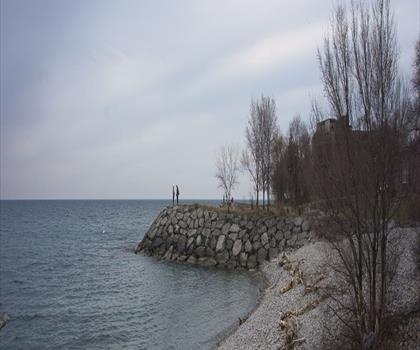
Mimico Waterfront Park
Greater Toronto Area
Hiking near Mississauga
171 trails to explore ~16 km away
We work hard to provide the most up-to-date and error-free data possible. If something seems incorrect, let us know! Your contribution helps the whole community.
Hikers' opinions
Be the first to review!
No hiker has shared their experience yet. Share your impressions and help other hikers!