


Ready to explore Wilket Creek Park? Here's everything you need to know before you go!
Discover the trail
Trail description
Wilket Creek Park delivers something genuinely rare in Toronto: a ravine experience that feels wild enough to reset your head, yet sits squarely within the city's residential fabric. The 3.2-kilometer trail system threads through one of the GTA's most beloved urban green corridors, offering 210 meters of elevation gain and a satisfying workout that most hikers wrap up in around an hour and a half.
The park's backbone is Wilket Creek itself, a stream that carves through the landscape and shapes everything about the experience here. The ravine it has cut over time creates the rolling terrain, the dense canopy pockets, and the sense of being genuinely tucked away from the surrounding neighborhoods. You can hear the city if you listen for it, but the creek and the birds tend to win out.
Trail Character and Terrain
The trail surface changes as you move through the park, which keeps things interesting. Packed earth paths make up most of the route, transitioning to wooden boardwalks where the ground gets wet near the creek, and stone steps on the steeper pitches. After rain, expect mud — proper footwear matters here more than it does on a paved path.
The moderate rating is earned through consistency rather than any single brutal climb. The trail follows the natural contours of the ravine, which means you're regularly moving up and down rather than walking flat. The elevation changes are gradual enough that most people handle them without issue, but they add up over 3.2 kilometers and give your legs something to work with.
Wayfinding is straightforward. The trail system is clearly marked, so you can spend your energy on the walk rather than on figuring out where you are. You'll cross Wilket Creek several times on solid bridges, each one offering a slightly different look at the water as it moves over rocks and around fallen logs. Those bridge stops are natural rest points and good spots to just stand and listen for a minute.
What the Landscape Actually Looks Like
The lower sections of the trail, closest to the creek, sit under a thick canopy that keeps things cool and shaded. The forest floor here has that rich, damp smell that comes with mature ravine vegetation. As the trail climbs toward the ravine edges, the canopy opens up and you get more light, better sightlines into the surrounding neighborhood, and a different feel altogether.
The vegetation is diverse enough that the park looks noticeably different depending on when you visit. Spring brings early wildflowers and the bright green of new growth pushing through. Summer fills in the canopy completely and keeps the lower trail sections cool even on hot days. Fall is when the park really shows off — the mix of tree species means a solid range of colour, from gold to deep red. Winter strips everything back and reveals the actual structure of the ravine, which has its own appeal, and snow holds animal tracks well if you're paying attention.
Wildlife Along the Way
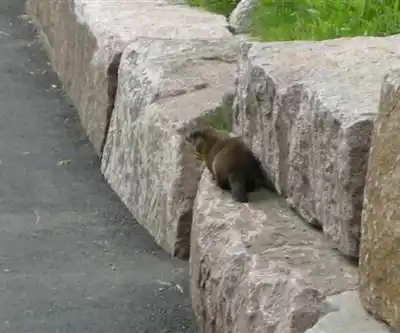
The park's position within Toronto's larger ravine network means it functions as a genuine wildlife corridor. Birdwatchers find it productive — the creek attracts waterfowl, while the varied vegetation supports different bird communities at different elevations within the park. The deeper, shadier sections tend to hold species that avoid more open urban areas. Beyond birds, the ravine habitat supports the kind of urban wildlife you'd expect in a connected green space: squirrels and chipmunks are constant company, and quieter mornings occasionally turn up something more interesting.
Connections to Nearby Parks
One of the strongest arguments for visiting Wilket Creek Park is how well it connects to the surrounding green space network. The trail links directly to Sunnybrook Park, where you can extend your outing along additional creek-side paths or move into more open meadow terrain. Edwards Gardens is within easy walking distance as well, offering a completely different atmosphere — formal garden displays and cultivated landscapes that contrast nicely with the wilder ravine feel of Wilket Creek.
These connections give you real flexibility. A focused loop through Wilket Creek Park alone is a satisfying outing. But if you have the time and energy, the extended network can stretch a single visit into a half-day exploration of some of Toronto's best urban green space.
Getting There and On-Site Facilities
The park is accessible by both public transit and car, which makes it easy to reach from most parts of the GTA. That accessibility is a double-edged thing — parking can fill up quickly on weekend mornings, especially in good weather, so arriving early or taking transit saves the frustration of circling for a spot.
Picnic areas are scattered through the more open sections of the park, positioned well for families who want to take a break or make a meal part of the visit. These spots also work as natural rest points on longer outings. The open areas around them give kids room to move around while staying easy to keep an eye on.
The park is open year-round, and each season genuinely offers something different rather than just a variation on the same experience. Spring and fall tend to draw the most visitors for good reason — comfortable temperatures and the most dramatic visual changes in the landscape. Summer is worth it for the shade and the creek access, though the denser sections can get buggy. Winter hiking is viable when the trails aren't icy, and the quieter atmosphere makes it feel like a different park entirely.
What keeps people coming back to Wilket Creek Park is the balance it strikes: accessible enough to fit into a regular routine, but with enough terrain variation and natural character to stay interesting over repeated visits.
Recommended gear for this trail
As an Amazon Associate I earn from qualifying purchases.


Ready to go?
Everything you need to know before you goStarting Point
The wilket creek park is located in the North York district of Toronto. The easiest way to get there is by public transportation. Take the subway to the Leslie Station and then take the Leslie Street Spit shuttle bus.
When?
How much?
As an Amazon Associate I earn from qualifying purchases.
Affiliate links — LGPO may earn a commission at no extra cost to you.
- Hiking shoes Essential
- → Salomon Elixir Tour Mid WP · 203.38 $
- Layered clothing Essential
- Rain jacket Essential
- Trekking poles
- → Black Diamond Trail Ergo Cork · 69.99 $
- Headlamp
- → Petzl Actik Core 625 · 103.95 $
FAQ - Frequently asked questions
Everything you need to know
25 hikes under 2 hours from Montreal
Distance, elevation, parking and season for each one. The ones we go back to ourselves.
Get the guideSimilar hikes nearby
Discover other trails you might enjoy

Scarborough Bluffs Trail
Greater Toronto Area

Trillium Park
Greater Toronto Area

Balmy Beach Park
Greater Toronto Area
High Park
Greater Toronto Area
Colonel Samuel Smith Park
Greater Toronto Area
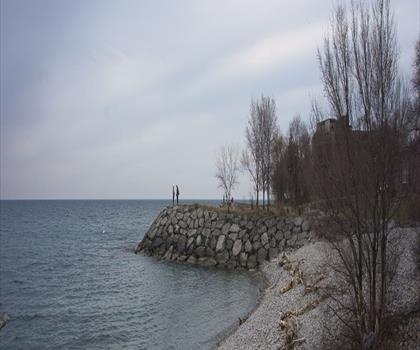
Mimico Waterfront Park
Greater Toronto Area
Hiking near Toronto
168 trails to explore ~8 km away
We work hard to provide the most up-to-date and error-free data possible. If something seems incorrect, let us know! Your contribution helps the whole community.
Hikers' opinions
Be the first to review!
No hiker has shared their experience yet. Share your impressions and help other hikers!