
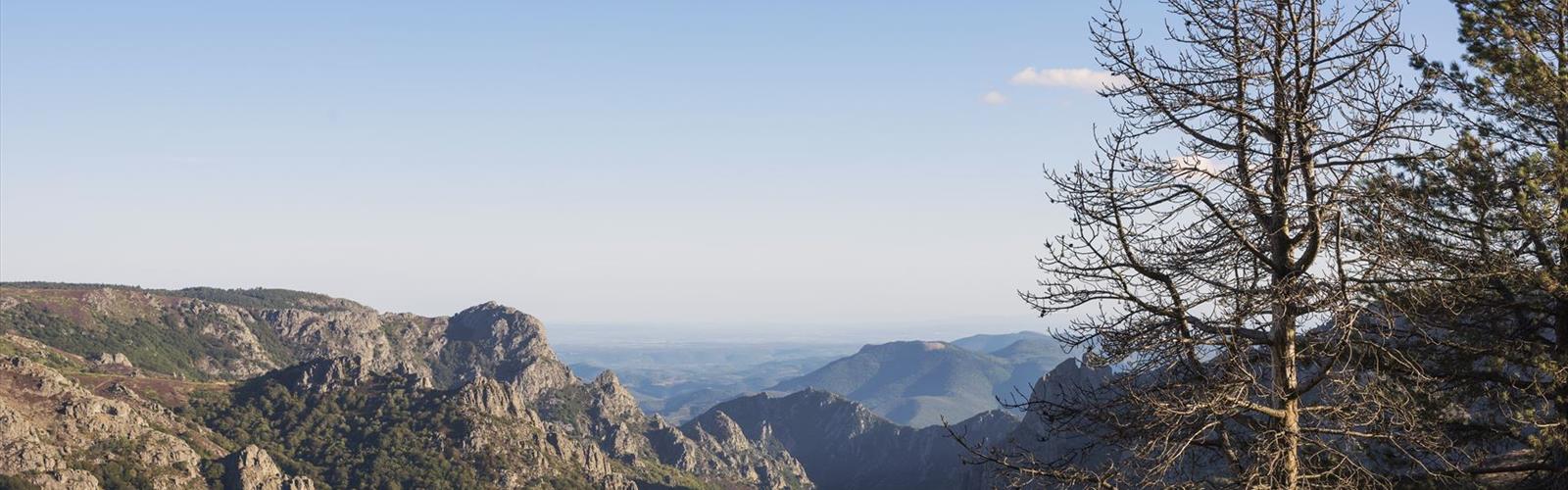
Ready to explore Parc naturel régional du Haut-Languedoc? Here's everything you need to know before you go!
Discover the trail
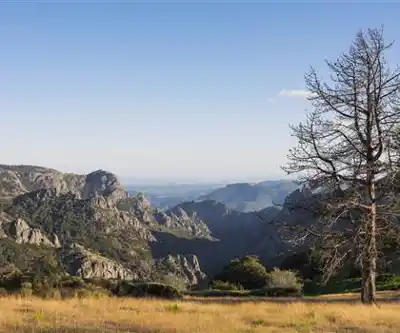
Trail description
The Haut-Languedoc Regional Nature Park is one of southern France's most expansive and varied protected areas, stretching across the Tarn and neighboring departments of Occitanie. With over 350 kilometers of marked trails threading through its boundaries, the park offers an extraordinary range of hiking experiences — from shaded mountain forests to open limestone plateaus to gentle vineyard paths. No two days here feel quite the same, which is exactly what keeps people coming back.
The park is organized around three distinct geographical zones, each with its own personality. The Montagne Noire anchors the western section with its ancient, dark-toned peaks of schist and granite. Dense forests of chestnut and beech cover the slopes, keeping temperatures noticeably cooler than the surrounding lowlands — a genuine relief during the warmer months. Trails here tend to climb steeply before breaking out onto exposed ridgelines with wide views across the Languedoc. The terrain is rugged and rocky in places, so solid footwear matters.
Moving eastward, the landscape shifts into the Cévennes section, where limestone dominates. Plateaus are cut by deep gorges, and the vegetation transitions to the classic garrigue of southern France — juniper, wild rosemary, holm oak, and a dozen aromatic herbs that fill the air after rain. Trails in this zone often follow ancient transhumance routes, the same paths shepherds used for centuries to move their flocks between seasonal pastures. The exposure is greater here, with fewer trees and broader sightlines, but water sources can be scarce during dry stretches, so planning your hydration carefully is worth the effort.
The southern Languedoc plain rounds out the park's geography with its gentler, more cultivated character. Rolling hills, vineyard paths, and riverside routes make this zone the most accessible part of the park. It works well for families, for hikers who prefer a relaxed pace, or for anyone who wants to combine a walk with a stop in one of the valley villages.
Wildlife and Natural Features
The park's protected status has given wildlife room to recover and thrive. Wolves have returned to the Montagne Noire in recent years — sightings are rare, but their presence is a genuine marker of the ecosystem's health. Lynx move through the forested sections, and chamois navigate the rockier slopes. For most hikers, though, the wildlife encounters will be avian: golden eagles are a regular sight above the higher terrain, and bee-eaters add color to the lower elevations.
The plant life shifts noticeably with elevation and aspect. Holm oak anchors the Mediterranean zones with its evergreen canopy, while juniper bushes dot the hillsides and wild rosemary scents the air. Higher up, the species change to those adapted to cooler, wetter conditions — beech and chestnut forests that feel worlds away from the scrubland below. These botanical transitions are one of the quiet pleasures of longer hikes that cross multiple elevation bands within the park.
Villages and Cultural Context
The Haut-Languedoc Regional Nature Park isn't just a natural landscape — it's a lived-in one. Picturesque villages sit in valleys and on hillsides throughout the park, many with medieval stone architecture, narrow streets, and a pace of life that feels genuinely unhurried. These settlements are worth building into your itinerary, not just as rest stops but as destinations in their own right. Local cuisine, regional crafts, and the rhythms of agricultural life are all part of what makes hiking here feel different from more purely wilderness-focused parks.
The park's broader location in Occitanie also puts several significant historical sites within reach. The fortified city of Carcassonne, with its double-walled medieval citadel, is one of Europe's finest examples of military architecture. Nîmes preserves remarkable Roman monuments, including an intact amphitheater and the Maison Carrée temple. These destinations pair naturally with a hiking trip for anyone interested in combining time on the trail with time in the region's deep history.
Trail Conditions and What to Expect
With over 350 kilometers of marked trails, the park covers an enormous range of difficulty levels and terrain types. The Montagne Noire demands the most from hikers — steep climbs, rocky footing, and weather that can shift quickly on the exposed ridgelines. Stream crossings are common in this section and can become difficult during heavy rain or snowmelt. This is the zone where preparation matters most: good boots, layers, and an eye on the forecast.
The Cévennes limestone country is less technically demanding but presents its own challenges. The open terrain means sun and wind exposure on longer stretches, and the scarcity of water sources during dry periods requires planning ahead. The trails themselves are generally well-defined, following historic routes that have been in use for generations.
The Languedoc plain section is the most forgiving, with well-maintained paths and minimal elevation change. It's a good entry point for first-time visitors to the park, and it offers a genuinely pleasant walking experience even for those who aren't looking for a physical challenge.
Seasonal Conditions
Spring is one of the better times to visit, with wildflowers covering the hillsides and temperatures that stay comfortable for full-day hikes. Some trails can be muddy after winter rains, and weather remains unpredictable, but the landscape is at its most vivid. Summer brings stable conditions but also serious heat in the lower elevations — early starts are the practical solution, and the shaded forests of the Montagne Noire become especially appealing.
Autumn is widely considered the park's finest season for hiking. Temperatures ease off, skies tend to be clear, and the deciduous forests of the Montagne Noire put on a strong foliage display. The harvest season adds activity and color to the agricultural zones, making walks through vineyard country particularly rewarding at this time of year.
Winter hiking is viable in the lower elevations on good days, though snow and ice can close higher trails. The park's Mediterranean climate means mild spells occur even in January and February, but conditions vary significantly between the mountain zones and the plain.
Practical Notes
- Trail network: Over 350 kilometers of marked trails covering all three geographical zones of the park.
- Duration: Variable depending on the trail — the park accommodates everything from short half-day walks to multi-day routes.
- Footwear: Sturdy hiking boots are recommended for the Montagne Noire and Cévennes sections; trail runners or walking shoes are adequate for the Languedoc plain.
- Water: Sources can be scarce in the Cévennes limestone zone during dry periods — carry sufficient water and plan refill points in advance.
- Weather: Microclimates vary considerably across the park; higher elevations can be foggy or wet while lower areas remain dry and sunny on the same day.
Everything you need for your next hike. Bilingual, printable, 1 page.
Get your free hiking checklistReady to go?
Everything you need to know before you goStarting Point
The trailhead for the Haut-Languedoc Regional Nature Park is located in Saint-Pons-de-Thomières, in the Occitanie region.
When?
How much?
- Hiking shoes Essential
- Layered clothing Essential
- Rain jacket Essential
- Trekking poles
- Headlamp
FAQ - Frequently asked questions
Everything you need to knowOutings near Parc naturel régional du Haut-Languedoc
Discover other trails you might enjoy
Les Gorges de Colombières
Hérault · 22.9 km away
Lac d'Avène
Hérault · 41.0 km away
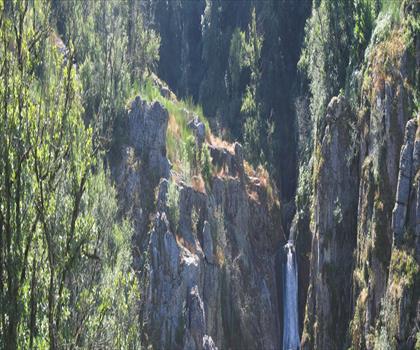
Les Cascades d'Arifat
Tarn · 47.1 km away
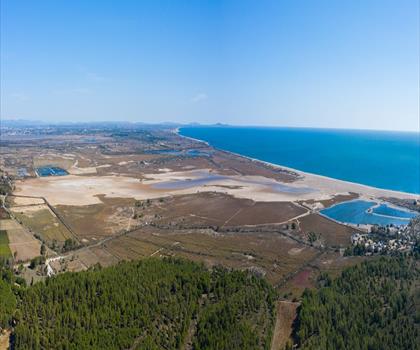
Gouffre de l'Oeil-Doux
Aude · 47.9 km away

Réserve Africaine de Sigean
Aude · 49.8 km away
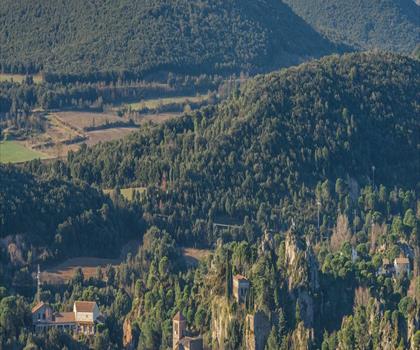
Cirque de Mourèze
Hérault · 50.7 km away
Hiking near Sydney
25 trails to explore ~4855 km away
We work hard to provide the most up-to-date and error-free data possible. If something seems incorrect, let us know! Your contribution helps the whole community.
Hikers' opinions
Be the first to review!
No hiker has shared their experience yet. Share your impressions and help other hikers!