


Ready to explore Parc national du Mercantour? Here's everything you need to know before you go!
Discover the trail
Trail description
Parc national du Mercantour stretches across the Alpes-Maritimes region of Provence-Alpes-Côte d'Azur, covering six distinct mountain ranges connected by deep valleys and river corridors. Its position near the Italian border gives it a character you won't find anywhere else in France — a genuine crossroads where Mediterranean warmth meets true Alpine wilderness. That combination shapes everything here, from the plants growing at your feet to the animals moving through the terrain above the treeline.
With 600 kilometers of trails threading through the park, Mercantour isn't a place you'll exhaust in a weekend. It's a network of experiences, each valley and massif offering something different depending on where you point yourself. Whether you're after a gentle forest walk or a demanding high-altitude traverse, the trail system has room for both — often within the same general area.
What the Terrain Actually Looks Like
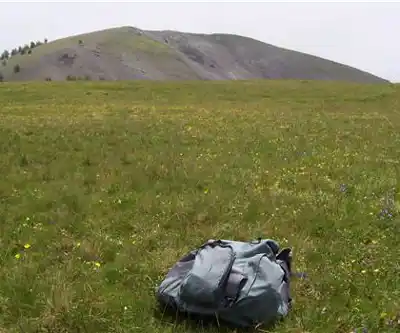
The landscape shifts dramatically as you gain elevation, and that's one of the things that keeps hikers coming back. Lower down, you're moving through dense forest — larch, pine, and fir — where the light filters through in the morning and the air stays cool even in summer. As the trees thin out, you hit open alpine meadows that in late spring and early summer are genuinely covered in wildflowers: gentians, edelweiss, and a long list of other mountain species that thrive at this elevation.
Higher still, the terrain turns more austere. Glacial cirques, granite slabs, and cold mountain lakes define the upper reaches of the park. These alpine lakes are among the most striking features in Mercantour — clear, still, and surrounded by rock faces that reflect in the water on calm mornings. They make excellent destinations for day hikes and natural stopping points on longer routes.
The six mountain ranges within the park each have their own feel. Some sections are approachable and well-suited to families or hikers who want a rewarding day out without technical demands. Others involve steep ascents, exposed ridgelines, and rocky scrambles that require solid fitness and the right gear. Knowing which area you're heading into before you leave the trailhead matters here.
Wildlife Worth Watching For
Mercantour is one of the few places in France where wolves have reestablished themselves, and while actually seeing one is unlikely, knowing they're out there changes how the landscape feels. More reliably, you'll spot chamois — the agile, sure-footed mountain ungulates that navigate steep rocky terrain with ease. Early morning and late afternoon are the best windows for wildlife watching, when chamois tend to graze in the open before retreating to shadier ground.
The botanical diversity is equally impressive. Because Mercantour sits at the intersection of Mediterranean and Alpine climate zones, the plant communities here are unusually rich. Mediterranean species hold on in the lower valleys, while true alpine flora takes over at higher elevations. For anyone interested in mountain ecology or nature photography, the park offers a lot to work with across a relatively compact area.
Trail Conditions and Seasonal Timing
Lower elevation trails through forested terrain are typically accessible from late spring through fall without much concern. High-altitude routes are a different story — snow can linger well into June, and some passes only open up for a few months during summer. The granite and limestone surfaces that make up much of the trail network become genuinely slippery when wet, which matters because afternoon thunderstorms are a regular feature of summer days in the mountains. Starting early gives you a meaningful buffer before the weather builds.
Summer is when the park sees the most visitors, and popular trailheads and mountain refuges can get crowded, especially on weekends. The trail network is extensive enough that you can usually find quieter routes by stepping away from the obvious choices or timing your hikes for weekdays. Spring offers fewer people and spectacular wildflower displays, but you need to check conditions carefully before heading to higher terrain. Fall brings crisp air and good visibility, though daylight shortens quickly and weather becomes less predictable. Winter shifts the park toward snowshoeing and cross-country skiing in areas where those activities are possible.
Planning Your Visit
The park's size means that access point selection is one of the most important decisions you'll make before arriving. Different valleys serve as gateways to different massifs, and the right starting point depends entirely on what kind of hiking you're after. Some valleys ease you in gradually with gentler terrain; others put you at the base of serious high-country routes almost immediately.
Accommodation in the towns surrounding Mercantour fills up during peak season, so booking ahead is practical rather than optional. For multi-day trips or access to more remote sections of the park, the network of mountain refuges is the standard approach. These huts operate primarily during summer months and require advance reservations when demand is high. They also make it possible to cover terrain that's simply too far from any road to do as a day hike.
Layered clothing is the baseline for any hike here, regardless of the forecast at the trailhead. The elevation range across the park means conditions can differ substantially between a valley floor and a high ridge, and weather moves in faster than it looks like it will from below. Rain gear is standard kit, not optional. Mercantour rewards hikers who come prepared and approach the terrain with a reasonable level of respect for what mountain conditions can throw at you.
What Sets Mercantour Apart
Most mountain parks offer either Mediterranean character or Alpine character. Mercantour delivers both, and the overlap creates something genuinely distinctive. The combination of a 600-kilometer trail network, six separate mountain ranges, abundant wildlife, and that unusual ecological crossroads between two climate zones makes this one of the more compelling hiking destinations in southern France. It's a park that rewards repeat visits — there's enough variety here that you can come back with a completely different itinerary and feel like you're in a different place entirely.
Recommended gear for this trail


Ready to go?
Everything you need to know before you goStarting Point
The trailhead of the Mercantour National Park is in Saint-Martin-Vésubie, in the Alpes-Maritimes.
When?
How much?
- Hiking shoes Essential
- → Salomon Elixir Tour Mid WP · 203.38 $
- Layered clothing Essential
- Rain jacket Essential
- Trekking poles
- → Black Diamond Trail Ergo Cork · 69.99 $
- Headlamp
- → Petzl Actik Core 625 · 103.95 $
FAQ - Frequently asked questions
Everything you need to know
25 hikes under 2 hours from Montreal
Distance, elevation, parking and season for each one. The ones we go back to ourselves.
Get the guideSimilar hikes nearby
Discover other trails you might enjoy
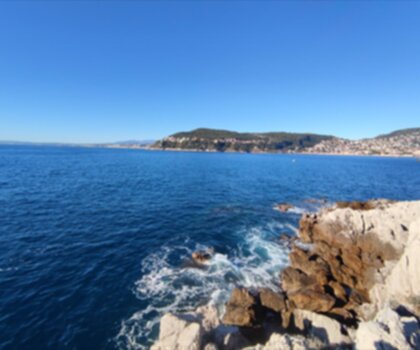
Sentier du Littoral
Alpes-Maritimes
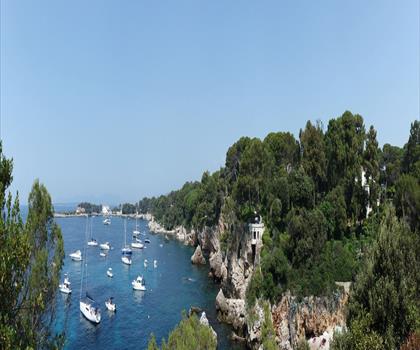
Le Sentier du Littoral
Alpes-Maritimes

Parc naturel régional des Préalpes d'Azur
Alpes-Maritimes
Cascade De Clars
Alpes-Maritimes
Gorges de la Siagne
Alpes-Maritimes
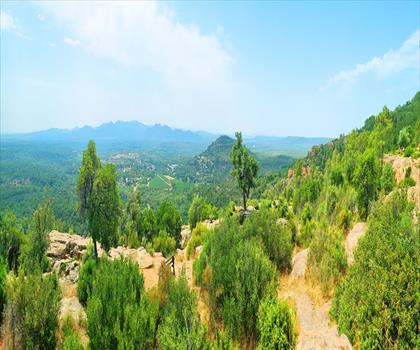
Grotte De Mueron
Alpes-Maritimes
Hiking near Sydney
22 trails to explore ~5126 km away
We work hard to provide the most up-to-date and error-free data possible. If something seems incorrect, let us know! Your contribution helps the whole community.
Hikers' opinions
Be the first to review!
No hiker has shared their experience yet. Share your impressions and help other hikers!