

Ready to explore Knik River? Here's everything you need to know before you go!
Discover the trail
Oh no! We don't have any photos 😢
This trail hasn't been captured yet. Be the first to share your adventure!Trail description
The Knik River area in Alaska is one of those raw, wide-open landscapes that reminds you just how big and untamed the Last Frontier really is. Sitting in the Matanuska-Susitna Valley northeast of Anchorage, this spot draws hikers, explorers, and outdoor enthusiasts who want something beyond a groomed trail — a place where the terrain itself is the adventure.
The Landscape
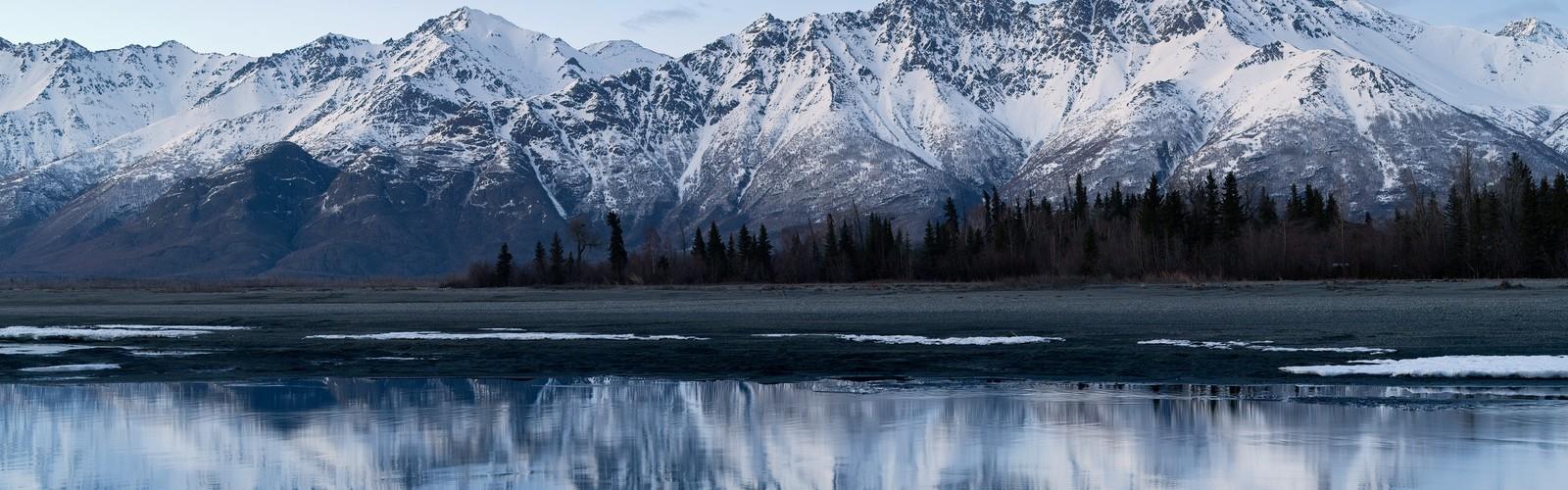
The Knik River drains glacial meltwater from the Knik Glacier, and that origin story shapes everything about this place. The riverbed is braided and wide, constantly shifting with seasonal flows and glacial sediment. The surrounding flats are a mix of gravel bars, cottonwood stands, and scrubby vegetation that gradually gives way to more rugged terrain as you move toward the mountains. On a clear day, the Alaska Range looms in the background, and the views across the valley are genuinely stunning — the kind that stop you mid-step.
The ground here is dynamic. Glacial outwash plains mean the terrain can be uneven, soft in spots, and unpredictable near the water. This isn't a place where you follow a single well-marked path from A to B. Instead, the Knik River area rewards explorers who are comfortable reading the land and making their own route decisions.
What to Expect on the Trail
Hiking near the Knik River is less about a defined trail and more about navigating a broad, open corridor. The gravel bars along the river offer natural walking surfaces when water levels are low, but conditions change depending on the season and recent weather. Glacial rivers like the Knik can rise quickly, so paying attention to water levels before and during your outing is essential.
The terrain is relatively flat along the river corridor, but don't mistake flat for easy. Loose gravel, soft glacial silt, and the occasional braided channel crossing keep things interesting. Waterproof boots are a smart call here — wet feet are almost a given if you're spending any real time exploring close to the water.
Wildlife is a constant presence in this part of Alaska. Moose are frequently spotted in the cottonwood and willow thickets along the river margins. Bears — both black and grizzly — are active in the area, so carrying bear spray and making noise as you move through denser vegetation is standard practice, not optional. Bald eagles are common overhead, and the river itself supports salmon runs that attract a whole food chain of predators and scavengers.
Access and Getting There
The Knik River is accessible from the Knik River Road, which branches off the Glenn Highway east of Palmer. The road follows the south side of the river and provides several informal pull-off points where visitors can access the gravel bars and begin exploring on foot. The area is popular with locals who know it well, but it doesn't see the same volume of foot traffic as more developed trailheads in the region, which adds to its appeal if you're looking for a quieter experience.
There are no formal trailhead facilities here — no maintained restrooms, no fee stations, no posted trail maps. Come prepared and self-sufficient. Parking is informal along the road shoulder or at wider pull-outs.
Seasonal Considerations
Summer is the primary season for exploring the Knik River area. Long daylight hours, accessible gravel bars, and active wildlife make June through August the most popular window. Spring and fall bring dramatic light and fewer people, but also more unpredictable river conditions and weather. Winter transforms the landscape entirely — the river can freeze, and the area takes on a completely different character, though access and conditions require careful planning.
Glacial rivers in Alaska are notoriously variable. Water levels that seem manageable in the morning can shift significantly by afternoon, especially during warm spells when glacial melt accelerates. Always check conditions and have a clear turnaround plan before heading out.
Who This Place Is For
The Knik River area is best suited for hikers and outdoor explorers who are comfortable with unstructured, off-trail environments. If you're looking for a clearly marked loop with distance markers and a picnic table at the end, this isn't your spot. But if you want to wander a glacial river valley, take in massive mountain views, watch for wildlife, and feel genuinely remote without driving hours from the road system, the Knik River delivers.
It's also a popular destination for people interested in getting a closer look at glacial geography — the braided channels, the silty blue-grey water, and the gravel bars are all direct products of the Knik Glacier upstream, and the whole area functions as a living lesson in how glaciers shape landscapes over time.
Practical Tips
- Bear spray: Carry it, know how to use it, and keep it accessible — not buried in your pack.
- Footwear: Waterproof boots or trail runners you don't mind getting wet are strongly recommended.
- Navigation: There are no marked trails. A downloaded offline map or GPS device is useful for keeping your bearings across the open flats.
- Water crossings: Avoid crossing braided channels unless you're confident in the depth and current. Glacial water is extremely cold.
- Leave No Trace: Pack out everything you bring in. There are no waste facilities on site.
- Weather: Alaska weather changes fast. Bring an extra layer and rain gear regardless of the forecast.
The Knik River area is the kind of place that feels genuinely Alaskan — big, open, a little unpredictable, and completely worth the effort.
The Essential Hiking Checklist
Everything you need for your next hike. Bilingual, printable, 1 page.
Get your free hiking checklistRecommended gear for this trail
As an Amazon Associate I earn from qualifying purchases.


Ready to go?
Everything you need to know before you goWhen?
How much?
As an Amazon Associate I earn from qualifying purchases.
Affiliate links — LGPO may earn a commission at no extra cost to you.
- Hiking shoes Essential
- → Salomon Elixir Tour Mid WP · 203.38 $
- Layered clothing Essential
- Rain jacket Essential
- Trekking poles
- → Black Diamond Trail Ergo Cork · 69.99 $
- Headlamp
- → Petzl Actik Core 625 · 103.95 $
FAQ - Frequently asked questions
Everything you need to knowHiking near Whistler
160 trails to explore ~2041 km away
We work hard to provide the most up-to-date and error-free data possible. If something seems incorrect, let us know! Your contribution helps the whole community.
Hikers' opinions
Be the first to review!
No hiker has shared their experience yet. Share your impressions and help other hikers!