
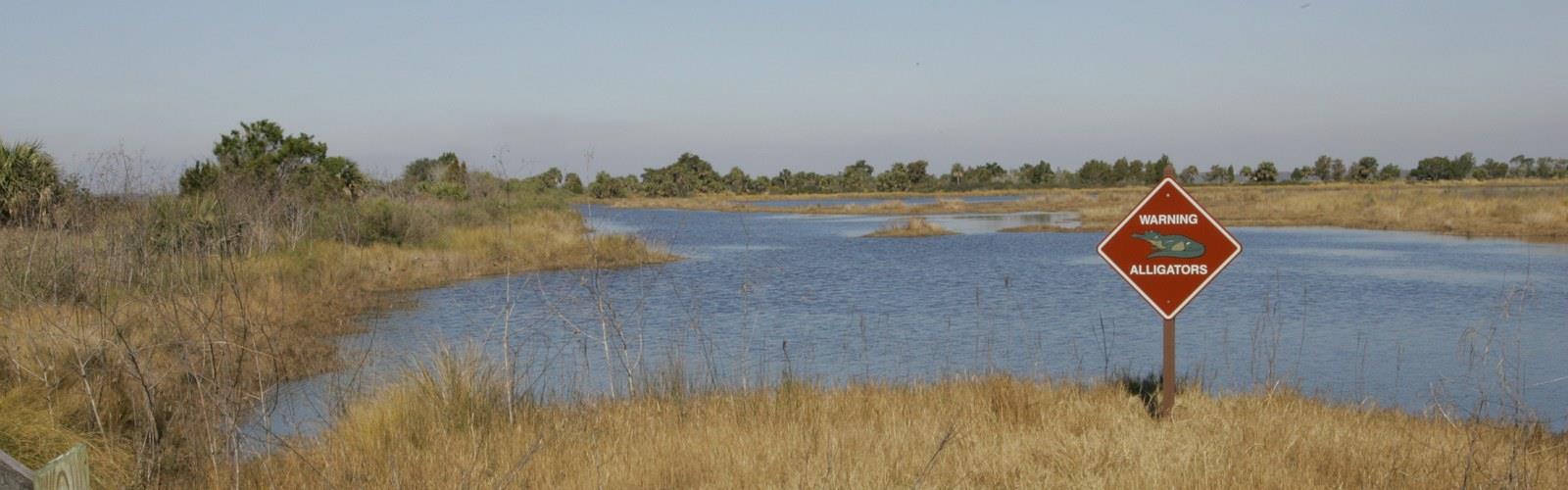

Ready to explore St. Marks National Wildlife Refuge? Here's everything you need to know before you go!
Discover the trail
Oh no! We don't have any photos 😢
This trail hasn't been captured yet. Be the first to share your adventure!Trail description
St. Marks National Wildlife Refuge is one of the oldest national wildlife refuges in the United States, and it shows — in the best possible way. Located along the Gulf Coast of Florida's Big Bend region, this sprawling refuge protects a remarkable mix of coastal habitats that draw hikers, birders, and wildlife watchers from across the country. If you're looking for a place where the natural world feels genuinely intact, St. Marks delivers.
The Landscape
The refuge encompasses a wide range of ecosystems packed into one accessible area. You'll move through pine flatwoods, freshwater and saltwater marshes, tidal creeks, and open coastal prairies depending on which trail or area you explore. The transition between upland forest and coastal wetland happens quickly here, and that ecological edge is exactly what makes the wildlife viewing so productive.
The Apalachee Bay shoreline defines the southern boundary of the refuge, and the views across open water toward the Gulf are a consistent highlight. Inland, the landscape is flatter and more forested, with longleaf pine and saw palmetto dominating the upland sections. Water is everywhere — ditches, impoundments, ponds, and tidal channels thread through the property and create the habitat diversity that supports such an impressive range of species.
Wildlife and Natural Features
St. Marks is genuinely exceptional for wildlife. The refuge sits along the Eastern Flyway, making it a critical stopover for migratory birds in spring and fall. Shorebirds, wading birds, raptors, and songbirds all pass through in significant numbers, and the resident populations are equally impressive year-round. Roseate spoonbills, wood storks, ospreys, bald eagles, and a wide variety of herons and egrets are regularly spotted throughout the refuge.
The impoundment system — a series of managed freshwater pools — is particularly productive for birding. These areas concentrate waterfowl and wading birds in ways that make close observation easy even without a spotting scope.
Beyond birds, the refuge supports healthy populations of white-tailed deer, river otters, alligators, and a variety of reptiles and amphibians. The coastal areas are important nesting habitat for sea turtles, and the refuge plays a role in broader conservation efforts for several threatened and endangered species in the region.
One of the most iconic natural events at St. Marks is the monarch butterfly migration. Each fall, massive numbers of monarchs funnel through the refuge on their way south, congregating in the coastal vegetation before crossing the Gulf. It's one of the more spectacular wildlife events in Florida and draws dedicated observers every October.
Trails and Exploration
The refuge offers a network of trails and roads suited to different types of visitors. The main refuge road runs south from the visitor center toward the historic St. Marks Lighthouse, passing through a variety of habitats along the way. This road is open to vehicles but also works well for walking or cycling, with frequent stops for wildlife observation.
Foot trails branch off into the pine flatwoods and along the edges of the impoundments, giving hikers a quieter, more immersive experience away from vehicle traffic. The terrain throughout is flat — this is coastal Florida, so significant elevation change isn't part of the equation — but the variety of habitats keeps the experience engaging regardless of pace or distance.
The Florida National Scenic Trail also passes through St. Marks, offering a longer-distance option for hikers looking to cover more ground through the refuge's interior. This section of the trail moves through some of the more remote parts of the property and gives a different perspective on the landscape compared to the main refuge road corridor.
The St. Marks Lighthouse
The lighthouse at the southern end of the refuge is a genuine landmark and a worthwhile destination in its own right. Built in 1831, it's one of the oldest lighthouses in Florida and still stands in excellent condition. The surrounding area offers open views across Apalachee Bay and is a reliable spot for shorebirds and coastal species. Most visitors make the lighthouse a focal point of their trip, and it's easy to see why — the combination of history, scenery, and wildlife in one spot is hard to beat.
Practical Information
The refuge is managed by the U.S. Fish and Wildlife Service and is open to the public year-round. An entrance fee is required for vehicle access. The visitor center near the main entrance is a good first stop — staff there can point you toward current wildlife activity and let you know which areas are most productive on any given day.
Hunting and fishing are permitted in designated areas of the refuge during specific seasons, so it's worth checking the refuge's current regulations before your visit, particularly if you're planning a trip during fall or winter. Hikers and wildlife watchers should be aware of hunting seasons and dress accordingly.
The refuge is open during daylight hours. Mosquitoes and biting insects can be intense, especially in warmer months and in the wetter areas of the refuge. Insect repellent is strongly recommended. Sun protection matters too — the open coastal sections offer little shade, and the Florida sun is no joke even in cooler months.
- Managed by: U.S. Fish and Wildlife Service
- Entrance fee: Required for vehicle access
- Terrain: Flat throughout; coastal wetlands, pine flatwoods, marshes
- Highlights: St. Marks Lighthouse, monarch butterfly migration, exceptional birding, Florida National Scenic Trail access
- What to bring: Insect repellent, sun protection, binoculars, water
- Dogs: Check current refuge regulations before visiting
Getting There
St. Marks National Wildlife Refuge is located south of Tallahassee in Florida's Big Bend region. The main entrance is accessed via Lighthouse Road off U.S. Highway 98 near the town of St. Marks. Parking is available at the visitor center and at several points along the main refuge road, including near the lighthouse at the southern end.
The drive south through the refuge toward the lighthouse is scenic on its own, and pulling over at the various impoundment overlooks along the way is well worth the extra time.
The Essential Hiking Checklist
Everything you need for your next hike. Bilingual, printable, 1 page.
Get your free hiking checklistRecommended gear for this trail
As an Amazon Associate I earn from qualifying purchases.


Ready to go?
Everything you need to know before you goWhen?
How much?
As an Amazon Associate I earn from qualifying purchases.
Affiliate links — LGPO may earn a commission at no extra cost to you.
- Hiking shoes Essential
- → Salomon Elixir Tour Mid WP · 203.38 $
- Layered clothing Essential
- Rain jacket Essential
- Trekking poles
- → Black Diamond Trail Ergo Cork · 69.99 $
- Headlamp
- → Petzl Actik Core 625 · 103.95 $
FAQ - Frequently asked questions
Everything you need to knowSimilar hikes nearby
Discover other trails you might enjoy
Hiking near Pittsburgh
0 trails to explore ~1209 km away
We work hard to provide the most up-to-date and error-free data possible. If something seems incorrect, let us know! Your contribution helps the whole community.
Hikers' opinions
Be the first to review!
No hiker has shared their experience yet. Share your impressions and help other hikers!