
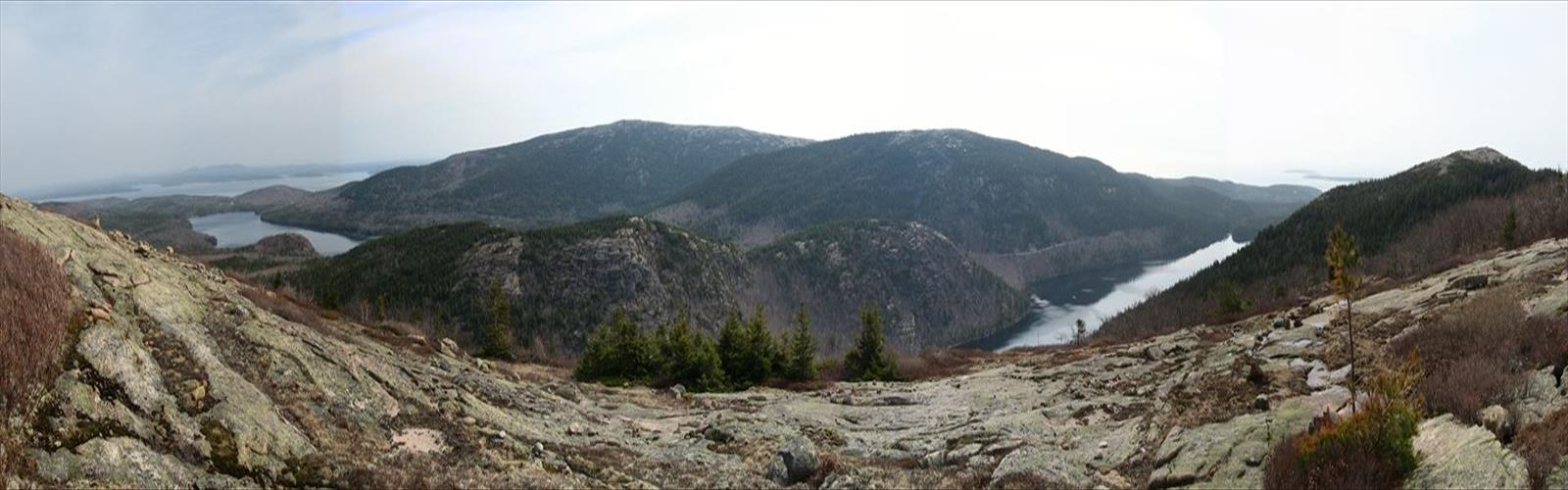

Ready to explore Acadia National Park? Here's everything you need to know before you go!
Discover the trail

Trail description
Acadia National Park sprawls across Maine's rugged coastline and nearby islands, offering some of the most diverse terrain you'll find in any single park. This isn't just another pretty destination—it's a place where granite peaks meet crashing Atlantic waves, where dense spruce forests give way to pristine lakes, and where every trail delivers a different slice of Maine's wild character.
The park's landscape reads like a geological textbook brought to life. Rocky coastlines dominate the eastern sections, carved by millennia of wave action into dramatic cliffs and tide pools. Inland, rolling mountains covered in thick forests of spruce, fir, and birch create a completely different world. Between these extremes, you'll find quiet lakes reflecting the sky and rivers that wind through valleys carved by ancient glaciers.
What Makes Acadia Special
Unlike many national parks that focus on a single ecosystem, Acadia packs incredible variety into its boundaries. You can start your day hiking through dense forest, break for lunch beside a mountain lake, and finish watching sunset from a rocky headland—all without leaving the park. This diversity extends to the wildlife as well. Moose browse in the quieter inland areas, while bald eagles soar over both forest and coast, taking advantage of the rich fishing in nearby waters.
The park's trail network accommodates everyone from families with young kids to serious peak-baggers. Some paths follow old carriage roads built in the early 1900s, offering gentle grades and wide, well-maintained surfaces perfect for a leisurely walk. Others climb straight up granite faces, rewarding the effort with panoramic views that stretch from the mainland mountains to the scattered islands offshore.
Terrain and Trail Experience
Acadia's hiking terrain varies dramatically depending on which section you choose. The mountain trails typically involve steady climbs over granite slabs and through forest, with occasional scrambles over exposed rock. Most routes offer moderate challenges that provide enough elevation gain to feel accomplished without being overwhelming for hikers with reasonable fitness levels. Expect to spend anywhere from a quick hour-long walk to full-day adventures, depending on which trails catch your interest and how many viewpoints demand extended photo stops.
Coastal trails offer an entirely different experience. Here, you'll walk along clifftops with constant ocean views, navigate around tide pools, and feel the salt spray on particularly windy days. The footing can be tricky on wet rocks, but the scenery more than compensates for the extra attention required. These paths showcase the raw power of the Atlantic, especially during storm seasons when waves crash against the granite with thunderous force.
Forest trails wind through some of the most pristine woodland in Maine. Tall spruces create a cathedral-like atmosphere, while the soft forest floor muffles sound and creates an almost meditative hiking experience. These trails often connect to lakes where you can take a break and possibly spot some of the park's wildlife coming to drink. The interplay of light filtering through the canopy creates constantly changing conditions that make even familiar trails feel new on different visits.
Key Landmarks and Attractions
Bass Harbor Head Light stands sentinel on a rocky promontory, its white tower and red roof creating one of Maine's most photographed scenes. The lighthouse still operates, guiding boats safely past the rocky coastline, and the surrounding area offers excellent tide pooling at low tide. The approach to the lighthouse involves a short walk through coastal forest, building anticipation before the dramatic reveal of the structure perched on its granite foundation.
Thunder Hole represents nature's raw power in action. This natural rock formation channels incoming waves into a narrow opening, creating a thunderous boom and impressive spray when conditions are right. The effect works best during incoming tides with moderate wave action—calm seas produce little drama, while storm conditions can make the viewing area dangerous. Timing your visit requires some patience, but witnessing the full spectacle makes the wait worthwhile.
Beyond these headline attractions, the park contains dozens of smaller gems. Hidden coves offer quiet spots for reflection, mountain summits provide sweeping views of the surrounding landscape, and forest clearings reveal glimpses of wildlife that many visitors never see. Each season transforms these locations, creating reasons to return throughout the year.
Activities Beyond Hiking
While hiking forms the backbone of most Acadia visits, the park's diverse landscape supports numerous other activities. The extensive carriage road system attracts cyclists looking for car-free riding through beautiful scenery. These roads, originally built for horse-drawn carriages, now provide perfect cycling terrain with gentle grades and stunning stone bridges that are engineering marvels in their own right.
Fishing opportunities abound in both fresh and salt water. The park's lakes hold brook trout and other freshwater species, while the coastal areas offer chances for saltwater fishing from shore or by kayak. Speaking of kayaking, the protected coves and inlets around the park provide excellent paddling for all skill levels, from beginners who want to explore quiet waters to experienced kayakers ready to tackle more challenging coastal conditions.
Rock climbing draws enthusiasts to the park's granite faces, which offer routes ranging from beginner-friendly to seriously challenging. The combination of solid rock and spectacular settings makes Acadia a destination for climbers from across the region. Camping within the park connects you more deeply to the landscape, with the sounds of waves or forest birds providing a natural soundtrack that no hotel can match.
Planning Your Visit
Acadia's location in coastal Maine means weather can change quickly, especially near the ocean. Even summer days can turn cool and foggy without warning, so layered clothing works better than trying to predict exact conditions. Waterproof gear proves valuable not just for rain, but for the spray and humidity common near the coast.
The park's popularity means timing matters, especially during peak summer months and fall foliage season. Early morning starts not only avoid crowds but often provide the best wildlife viewing opportunities and the calmest conditions for photography. The changing seasons each offer distinct advantages—spring brings migrating birds and wildflowers, summer offers the warmest weather and longest days, fall delivers spectacular foliage, and winter transforms the landscape into a quiet, snow-covered wonderland perfect for cross-country skiing and snowshoeing.
The Essential Hiking Checklist
Everything you need for your next hike. Bilingual, printable, 1 page.
Get your free hiking checklistRecommended gear for this trail
As an Amazon Associate I earn from qualifying purchases.


Ready to go?
Everything you need to know before you goStarting Point
The best way to get to the start of the trails at the acadia national park is to drive.
The best way to get to the start of the trails at the acadia national park is to drive.
The best way to get to the start of the trails at the acadia national park is to drive.
The best way to get to the start of the trails at the acadia national park is to drive.
When?
How much?
As an Amazon Associate I earn from qualifying purchases.
Affiliate links — LGPO may earn a commission at no extra cost to you.
- Hiking shoes Essential
- → Salomon Elixir Tour Mid WP · 203.38 $
- Layered clothing Essential
- Rain jacket Essential
- Trekking poles
- → Black Diamond Trail Ergo Cork · 69.99 $
- Headlamp
- → Petzl Actik Core 625 · 103.95 $
FAQ - Frequently asked questions
Everything you need to knowSimilar hikes nearby
Discover other trails you might enjoy
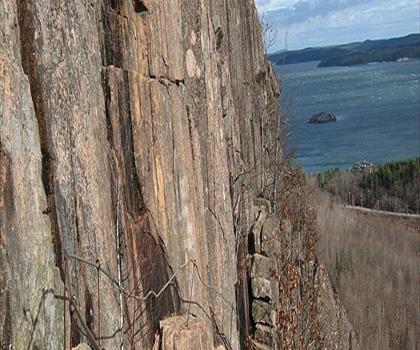
Precipice Trail
Down East & Acadia
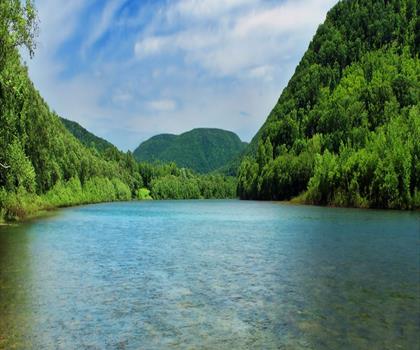
Branch Lake Public Forest
Down East & Acadia
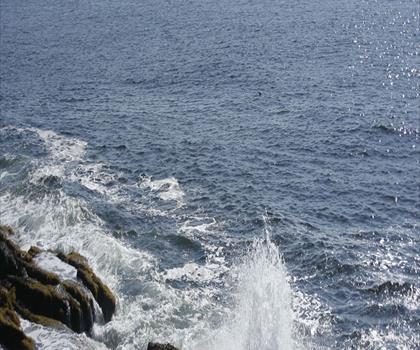
Giant's Stairs Trail
Down East & Acadia
St Sauveur Mountain
Down East & Acadia
Valley Peak
Down East & Acadia
Champlain Mountain Summit
Down East & Acadia
Hiking near Bar Harbor
0 trails to explore ~7 km away
We work hard to provide the most up-to-date and error-free data possible. If something seems incorrect, let us know! Your contribution helps the whole community.
Hikers' opinions
Be the first to review!
No hiker has shared their experience yet. Share your impressions and help other hikers!