

Ready to explore Valley Peak? Here's everything you need to know before you go!
Discover the trail
Trail description
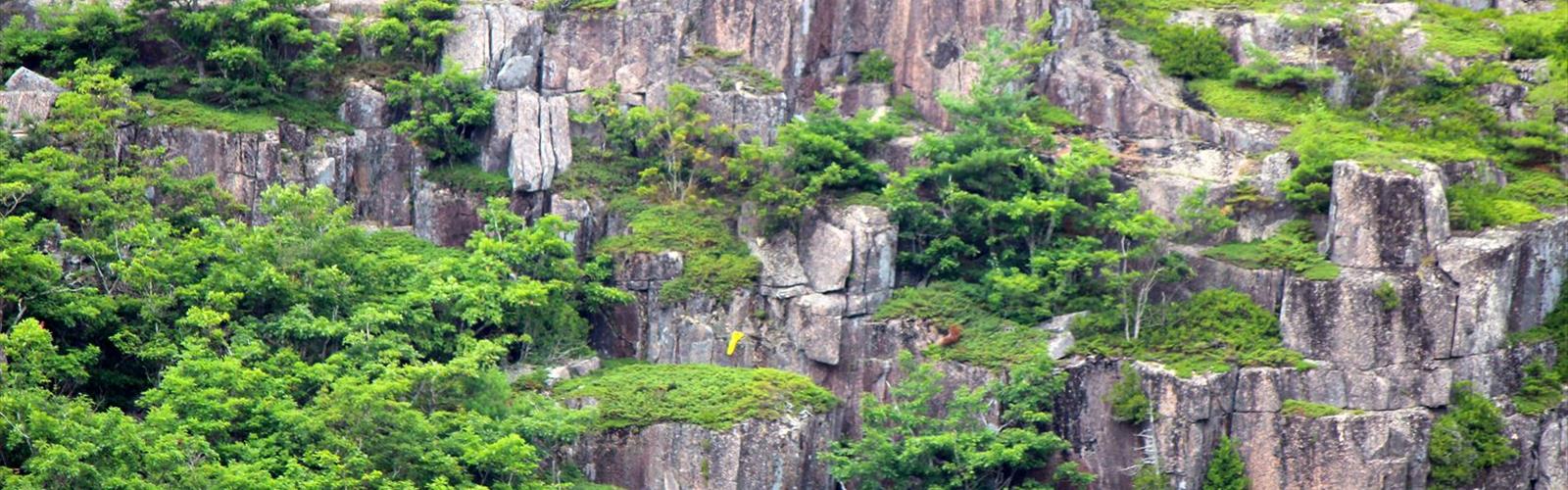
Valley Peak stands as one of the region's most rewarding hiking destinations, offering a diverse network of trails that cater to hikers of varying experience levels. The mountain's distinctive profile rises prominently from the surrounding landscape, creating a natural landmark that draws outdoor enthusiasts seeking both challenge and scenic beauty.
The trail system at Valley Peak provides multiple route options, each offering its own character and rewards. The terrain varies significantly as you ascend, beginning with gentle forest paths that wind through dense stands of mixed hardwood and coniferous trees. The lower elevations feature well-maintained trails with moderate grades, making them accessible to families and casual hikers looking for a pleasant day outdoors.
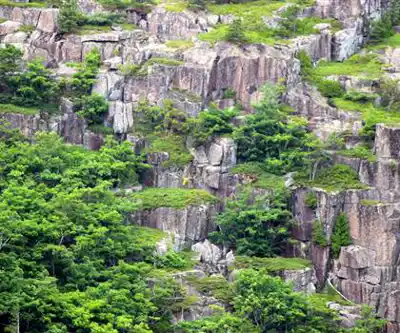
As the trails climb higher, the landscape transforms dramatically. The forest canopy opens up to reveal increasingly spectacular views of the surrounding valleys and distant mountain ranges. Rocky outcroppings become more frequent, providing natural rest stops and photo opportunities. The upper sections of the mountain present more challenging terrain, with steeper grades and occasional scrambles over granite ledges that require sure footing and basic scrambling skills.
Trail Network and Route Options
The Valley Peak trail system is thoughtfully designed to accommodate different hiking preferences and abilities. The main approach trail follows a steady but manageable gradient, switchbacking through the forest to minimize steep sections while still providing a good workout. This primary route serves as the backbone of the trail network, with several connecting paths and alternate routes branching off at key points.
For those seeking a more direct challenge, steeper connector trails offer shortcuts to the upper elevations, though these routes demand greater physical fitness and hiking experience. The trail surfaces vary from packed earth and forest duff in the lower sections to exposed rock and loose scree near the summit areas.
Navigation is generally straightforward, with trail junctions clearly marked and the main routes well-established. However, hikers should carry a map and compass or GPS device, particularly if planning to explore the less-traveled connector trails or venture off the main routes.
Summit Experience and Views
The summit area of Valley Peak rewards hikers with panoramic views that justify the effort required to reach the top. The exposed granite summit provides 360-degree vistas, with sight lines extending across multiple mountain ranges and valley systems. On clear days, the views stretch for dozens of miles, offering perspectives on both familiar local landmarks and distant peaks that appear as blue silhouettes on the horizon.
The summit itself features several distinct viewpoints, each offering slightly different perspectives and photo opportunities. The highest point is marked by a small cairn, while nearby rock formations provide natural seating areas perfect for lunch breaks and extended rest stops. The open nature of the summit area makes it an excellent spot for sunrise or sunset hikes, though early morning and evening ascents require careful planning and appropriate lighting equipment.
Seasonal Considerations
Valley Peak offers excellent hiking opportunities throughout much of the year, though conditions vary significantly with the seasons. Spring hiking reveals wildflowers in the lower elevations and provides comfortable temperatures, though muddy conditions and occasional snow patches in shaded areas may persist into late spring.
Summer brings the most reliable trail conditions and the longest daylight hours, making it the peak season for hiking. However, the exposed upper sections can become quite warm during midday hours, making early morning starts advisable during hot weather. The summit's elevation provides welcome relief from valley heat, often offering temperatures 10-15 degrees cooler than at the trailhead.
Fall hiking at Valley Peak is particularly spectacular, as the mixed forest displays vibrant autumn colors that create a stunning backdrop for the mountain views. The crisp air and clear skies common in autumn often provide the best visibility for long-distance views from the summit.
Winter conditions require specialized equipment and experience, as snow and ice can make the trails treacherous. The upper elevations may remain snow-covered well into spring, and winter hikers should be prepared for alpine conditions and potential weather changes.
Wildlife and Natural Features
The diverse ecosystems found along Valley Peak's trails support a rich variety of wildlife. The lower forest zones provide habitat for deer, various bird species, and smaller mammals. Hikers often encounter chipmunks and squirrels along the trails, while more observant visitors may spot evidence of larger animals including black bears, though actual sightings are relatively uncommon.
The changing elevation zones create distinct ecological communities, from the mixed hardwood forests at the base to the more sparse, hardy vegetation near the summit. This diversity makes Valley Peak an excellent destination for nature observation and photography, with different species of plants and animals adapted to each elevation zone.
Practical Information
The trailhead for Valley Peak is accessible by car, with parking available though spaces can fill quickly during peak hiking seasons and weekends. Arriving early in the day ensures parking availability and provides the best hiking conditions, particularly during summer months when afternoon thunderstorms are possible.
Hikers should come prepared with adequate water, as no reliable water sources exist along the upper portions of the trails. The exposed nature of the summit area requires sun protection including hats, sunscreen, and appropriate clothing. Weather can change rapidly at elevation, so layers and rain gear are recommended even on apparently clear days.
The rocky terrain in the upper sections demands sturdy hiking boots with good ankle support and aggressive tread patterns. Trekking poles can be particularly helpful on the steeper sections and during descent, when the loose rock and steep grades can be challenging to navigate safely.
The Essential Hiking Checklist
Everything you need for your next hike. Bilingual, printable, 1 page.
Get your free hiking checklistRecommended gear for this trail
As an Amazon Associate I earn from qualifying purchases.


Ready to go?
Everything you need to know before you goStarting Point
To access the hiking trails, head to the trailhead located at 123 Valley Road, Townsville, ME. There is a parking lot available for visitors. Additionally, an alternative starting point can be found at 456 Summit Drive, Villagetown, ME. Both locations provide convenient access to the trails.
When?
How much?
As an Amazon Associate I earn from qualifying purchases.
Affiliate links — LGPO may earn a commission at no extra cost to you.
- Hiking shoes Essential
- → Salomon Elixir Tour Mid WP · 203.38 $
- Layered clothing Essential
- Rain jacket Essential
- Trekking poles
- → Black Diamond Trail Ergo Cork · 69.99 $
- Headlamp
- → Petzl Actik Core 625 · 103.95 $
FAQ - Frequently asked questions
Everything you need to knowSimilar hikes nearby
Discover other trails you might enjoy
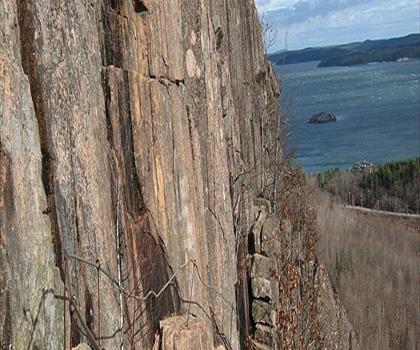
Precipice Trail
Down East & Acadia
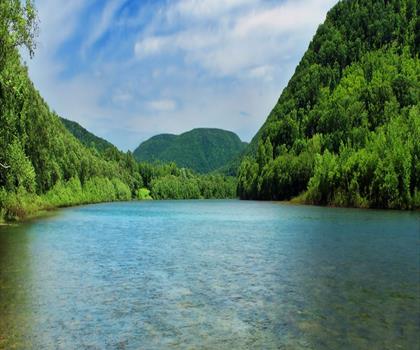
Branch Lake Public Forest
Down East & Acadia

Giant's Stairs Trail
Down East & Acadia
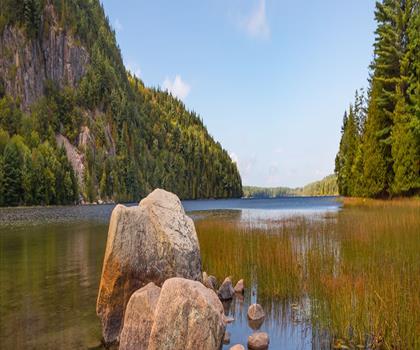
St Sauveur Mountain
Down East & Acadia
Champlain Mountain Summit
Down East & Acadia

Green Lake National Fish Hatchery
Down East & Acadia
Hiking near Bar Harbor
0 trails to explore ~13 km away
We work hard to provide the most up-to-date and error-free data possible. If something seems incorrect, let us know! Your contribution helps the whole community.
Hikers' opinions
Be the first to review!
No hiker has shared their experience yet. Share your impressions and help other hikers!