

Ready to explore Cutler Coast Public Reserved Land? Here's everything you need to know before you go!
Discover the trail
Trail description
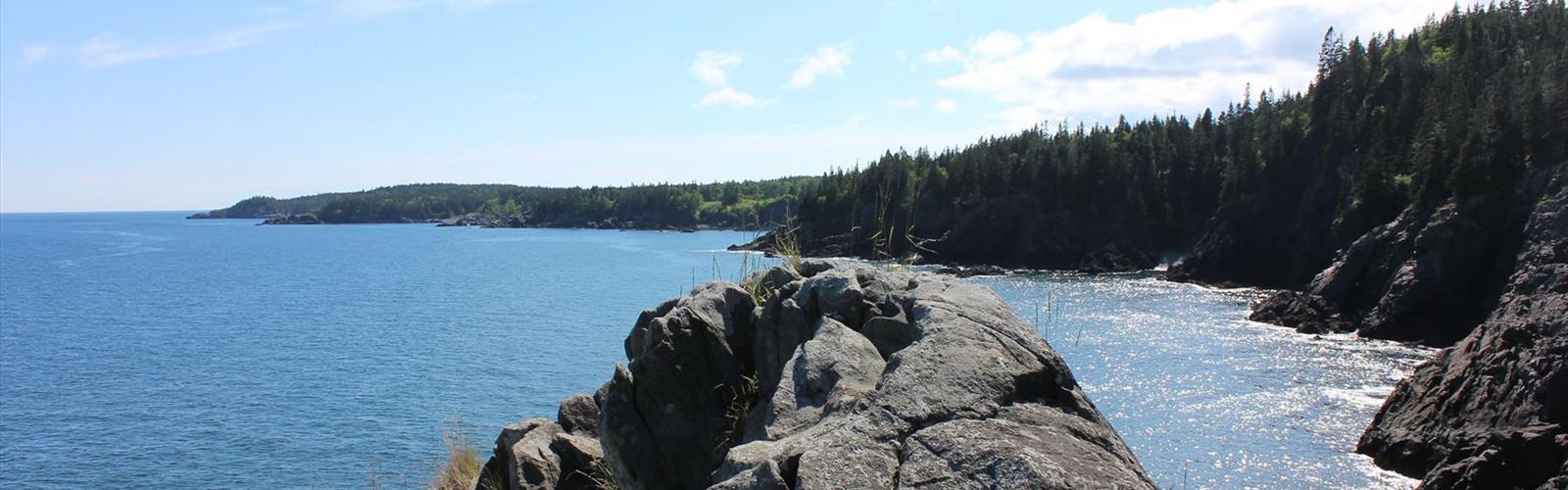
Cutler Coast Public Reserved Land stretches across 12,000 acres of Maine's Bold Coast, where dramatic headlands meet the North Atlantic in one of the state's most striking coastal landscapes. This reserve protects a rare stretch of undeveloped shoreline where 200-foot cliffs drop straight into the ocean, creating some of the most spectacular coastal scenery in New England.
The terrain here tells the story of geological forces and maritime weather. Dark basalt headlands, carved by millennia of storms, jut into the Atlantic while sheltered coves reveal cobble beaches polished smooth by endless tides. Inland, the landscape shifts to dense spruce-fir forests interspersed with sphagnum bogs and small ponds. This transition from exposed coastal barrens to protected woodland creates distinct microclimates within a relatively small area.
Trail Network and Hiking Experience
The reserve's trail system centers around the Coastal Trail Loop, a challenging 9.7-kilometer circuit that showcases the area's diverse landscapes. This isn't a casual walk—the trail demands attention as it navigates rocky terrain, boggy sections, and exposed headlands where weather conditions can change rapidly. Most hikers need about 3 hours and 15 minutes to complete the full loop, though the constantly changing scenery makes the time pass quickly.
Starting from the trailhead, you'll first traverse dense spruce-fir forest where the canopy filters sunlight into dappled patterns on the forest floor. The trail surface varies from packed earth to exposed roots and granite slabs, requiring steady footing. After roughly two miles, the forest begins to thin as you approach the coast, and the sound of waves grows stronger.
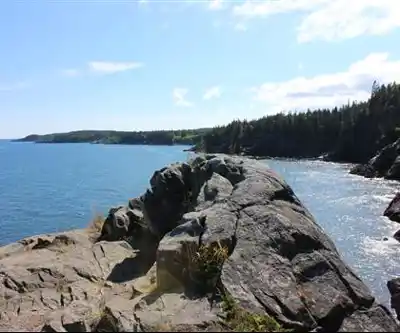
The coastal section delivers the reserve's signature experience. Here, the trail follows clifftops where panoramic views stretch across the Bay of Fundy toward New Brunswick's distant shores. On clear days, the horizon seems infinite, broken only by the occasional lobster boat working the waters below. Rocky outcrops provide natural viewing platforms where harbor seals often haul out during low tide, their dark forms visible against the lighter rocks.
The trail's most dramatic moments come at the major headlands, where the full force of the Atlantic becomes apparent. Waves crash against the cliffs with thunderous impact, sending spray high into the air. The exposure here is significant—strong winds are common, and fog can roll in quickly, reducing visibility to mere yards. Despite the moderate difficulty rating, the combination of rocky footing, weather exposure, and the trail's length makes this a demanding hike.
Moving inland from the coast, the trail crosses extensive peat bogs via wooden boardwalks. These wetlands support unique plant communities including carnivorous pitcher plants and sundews, along with various orchid species during summer months. The boardwalks protect both hikers and the fragile bog ecosystem, but they can become slippery when wet.
Wildlife and Natural Features
Cutler Coast's position along the Atlantic flyway makes it exceptional for bird watching. Peregrine falcons nest on the cliffs, while bald eagles patrol the shoreline hunting for fish. During migration periods, the headlands serve as concentration points for hawks, warblers, and other species following the coast. The exposed clifftops provide unobstructed viewing opportunities that are rare along developed coastlines.
Marine wildlife viewing opportunities abound from the clifftops. Harbor seals are year-round residents, often visible basking on offshore ledges during low tide. Gray seals appear less frequently but are larger and more distinctive when spotted. Porpoises occasionally surface in the deeper waters, and whale sightings, while uncommon, do occur during summer months when the waters warm.
The forest sections harbor typical Maine woodland species including white-tailed deer, red squirrels, and various songbirds. Black bears inhabit the area but encounters are rare due to the coastal location and human activity on the main trails. The transition zones between forest and coast often provide the best wildlife viewing as animals move between habitats.
Camping and Overnight Options
Primitive camping is permitted throughout the reserve at designated backcountry sites. These locations offer a genuine wilderness experience with no facilities beyond fire rings at some sites. Campers must be completely self-sufficient, carrying all water and supplies needed for their stay.
The coastal campsites provide the most dramatic settings, positioned on headlands where you fall asleep to the sound of waves and wake to sunrise over the Atlantic. However, these exposed locations can be challenging during windy or stormy weather. Inland sites offer more protection but less dramatic scenery. The 150 meters of elevation change throughout the reserve means some camping areas sit higher than others, affecting exposure to wind and weather.
Water sources within the reserve are limited and unreliable. Most hikers and campers carry all needed water or bring purification equipment for treating water from ponds and streams. The coastal location means no natural freshwater sources are guaranteed to be available, making water planning crucial for overnight stays.
Seasonal Considerations and Planning
The hiking season at Cutler Coast typically runs from late spring through fall, with July through September offering the most reliable weather. However, conditions can be challenging any time of year due to the exposed coastal location and the maritime climate that dominates this part of Maine.
Summer brings the warmest temperatures and longest days, but also the highest visitor numbers and potential for fog. The moderate difficulty rating becomes more apparent during summer when longer daylight hours allow hikers to fully appreciate the trail's varied terrain. Fall offers spectacular foliage in the inland sections and clearer air for distance views, though weather becomes more unpredictable.
Winter hiking is possible but requires experience with harsh coastal conditions including ice, snow, and severe wind exposure. The clifftop sections become particularly treacherous when icy, and the bog boardwalks can be dangerously slippery.
Weather preparation is crucial regardless of season. Coastal conditions change rapidly, and the exposed headlands offer no shelter from wind, rain, or sudden temperature drops. Layered clothing, rain gear, and extra food and water are essential even for day hikes. The combination of moderate terrain and unpredictable coastal weather makes proper preparation more important here than on many inland trails of similar difficulty.
The Essential Hiking Checklist
Everything you need for your next hike. Bilingual, printable, 1 page.
Get your free hiking checklistRecommended gear for this trail
As an Amazon Associate I earn from qualifying purchases.


Ready to go?
Everything you need to know before you goStarting Point
The cutler coast public reserved land is located in Cutler, Maine. To get to the start of the trails, take Route 191 north from Machias and turn left onto Cutler Road. The trailhead is located at the end of Cutler Road.
When?
How much?
As an Amazon Associate I earn from qualifying purchases.
Affiliate links — LGPO may earn a commission at no extra cost to you.
- Hiking shoes Essential
- → Salomon Elixir Tour Mid WP · 203.38 $
- Layered clothing Essential
- Rain jacket Essential
- Trekking poles
- → Black Diamond Trail Ergo Cork · 69.99 $
- Headlamp
- → Petzl Actik Core 625 · 103.95 $
FAQ - Frequently asked questions
Everything you need to knowSimilar hikes nearby
Discover other trails you might enjoy
Precipice Trail
Down East & Acadia
Branch Lake Public Forest
Down East & Acadia
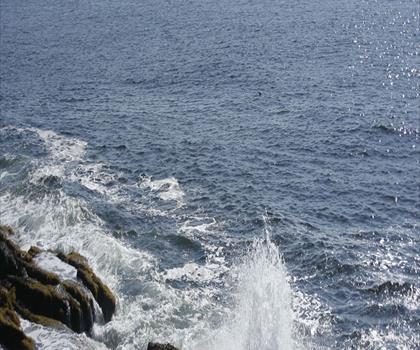
Giant's Stairs Trail
Down East & Acadia
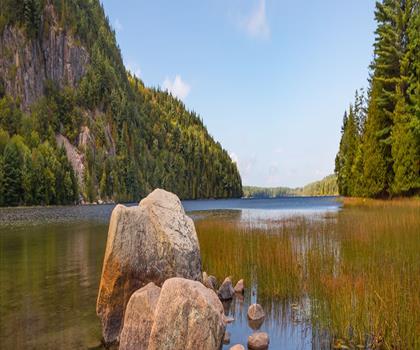
St Sauveur Mountain
Down East & Acadia
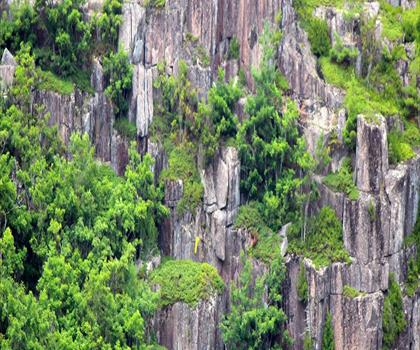
Valley Peak
Down East & Acadia
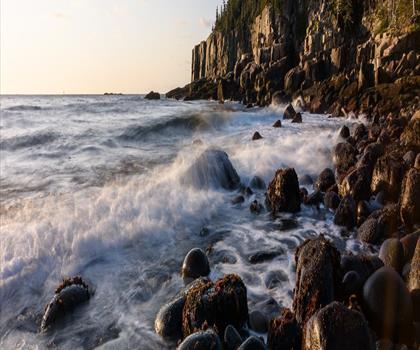
Gorham Mountain Trailhead
Down East & Acadia
Hiking near Bar Harbor
0 trails to explore ~89 km away
We work hard to provide the most up-to-date and error-free data possible. If something seems incorrect, let us know! Your contribution helps the whole community.
Hikers' opinions
Be the first to review!
No hiker has shared their experience yet. Share your impressions and help other hikers!