
Ready to explore Alder Trl? Here's everything you need to know before you go!
Discover the trail

Oh no! We don't have any photos 😢
This trail hasn't been captured yet. Be the first to share your adventure!Trail description
Description
Alder Trail offers hikers a peaceful 1.6-kilometer journey through the diverse woodland terrain of Maine's Down East & Acadia region. This easy trail provides an accessible introduction to the area's mixed forest environments, winding through interconnected paths that showcase the natural beauty of coastal Maine's interior landscapes. With just 61 meters of elevation gain spread over approximately 30 minutes of hiking, the trail welcomes outdoor enthusiasts of all experience levels.
The trail takes its name from the abundant alder trees that populate much of the route, particularly in the lower-lying areas where these moisture-loving deciduous trees thrive. These alders create a distinctive ecosystem that supports a variety of wildlife and provides seasonal interest as their leaves change from bright green in summer to golden yellow in fall before dropping to reveal their distinctive bark patterns in winter.
Trail Experience and Terrain
The path alternates between well-established dirt tracks and narrower sections that require more careful footing. Root systems from the surrounding trees occasionally cross the trail, creating natural steps and minor obstacles that add character to the hike without presenting significant technical challenges. The gentle elevation gain is distributed evenly throughout the route, making for a comfortable walking experience that never feels strenuous.
Forest composition changes as you progress along the route, creating distinct zones that keep the experience engaging. While alder trees dominate certain sections, hikers will also pass through areas populated by maple, birch, and various coniferous species typical of Maine's coastal forests. This diversity creates distinct microclimates and habitat zones, each supporting different plant and animal communities that observant hikers can discover along the way.
Water features play a subtle but important role in shaping the trail experience. Small seasonal streams and drainage areas influence both the vegetation patterns and the trail conditions, particularly during spring snowmelt and after heavy rainfall periods. These water sources also attract wildlife, making certain sections of the trail particularly rewarding for those interested in animal observation.
Seasonal Hiking Conditions
Spring hiking reveals the forest awakening, with new growth emerging and migrating birds returning to establish territories. The trail surface during this period can be soft and occasionally muddy, particularly in low-lying areas where snowmelt collects. This season offers excellent opportunities to observe the forest's transition from winter dormancy to active growth.
Summer conditions provide the most stable footing and the fullest canopy coverage, creating cooler hiking conditions even on warm days. The dense leaf cover means that views of the surrounding landscape are more limited during this season, but the forest floor comes alive with understory plants and increased wildlife activity. The moderate length and easy difficulty make this an ideal summer family outing.
Fall transforms Alder Trail into a showcase of autumn colors, with the namesake alder trees contributing their golden hues to a broader palette that includes the reds and oranges of maples and the yellows of birch trees. This season often provides the most photogenic hiking conditions, though fallen leaves can occasionally obscure trail markers and create slippery conditions on steeper sections.
Winter hiking requires appropriate preparation and equipment, as snow accumulation can significantly alter the trail's character. The bare trees provide better visibility of the surrounding terrain and distant landmarks, but navigation becomes more challenging when snow covers trail markers and familiar landmarks.
Wildlife and Natural Features
The diverse habitat created by the mixed forest environment supports a variety of wildlife species that hikers may encounter throughout the year. Small mammals such as squirrels and chipmunks are commonly observed, while larger species including white-tailed deer occasionally cross the trail or can be spotted in the distance through the trees.
Bird watching opportunities abound on Alder Trail, with different species favoring different sections of the route. The alder groves attract species that prefer edge habitats and younger forest growth, while the more mature forest sections provide habitat for birds that require larger trees for nesting and feeding. Early morning and late afternoon hikes often yield the best wildlife viewing opportunities.
The forest floor supports a variety of plant communities that change with the seasons and microclimatic conditions. Spring wildflowers emerge in areas where the canopy allows sufficient light penetration, while ferns and mosses thrive in the more shaded and moist sections of the trail. The relatively short distance allows hikers to take time observing these smaller natural details without committing to a lengthy expedition.
Navigation and Trail Conditions
Alder Trail is generally well-marked, though the quality and frequency of trail markers can vary along different sections of the route. Hikers should pay attention to blazes and trail signs, particularly at junction points where multiple paths intersect. The trail network design allows for various route combinations, giving hikers flexibility in planning their specific journey length and difficulty level.
Trail maintenance is ongoing, but natural factors such as fallen trees, erosion, and seasonal growth can occasionally impact trail conditions. Most obstacles are minor and can be easily navigated by hikers with basic outdoor experience, though conditions can change rapidly during severe weather events.
The trail surface varies from packed earth to areas with more loose soil and organic matter. Root exposure is common in certain sections, requiring hikers to watch their footing, particularly when conditions are wet or when leaves obscure the ground surface. Despite these minor challenges, the overall trail condition remains suitable for hikers seeking an accessible woodland experience.
Planning Your Visit
The short distance and easy difficulty make Alder Trail an excellent choice for families with children, beginning hikers, or anyone seeking a brief but satisfying outdoor experience. Sturdy hiking footwear with good traction is recommended, as trail surfaces can be uneven and potentially slippery depending on weather conditions and seasonal factors.
Weather can change quickly in forested environments, so layered clothing allows hikers to adjust their comfort level as conditions change throughout the day. The forest canopy provides natural protection from direct sunlight and light precipitation, but proper rain gear is advisable during unsettled weather periods.
Water and basic snacks should be carried, as the trail system does not provide facilities along the route. The natural environment offers plenty of opportunities for rest breaks, with fallen logs and natural clearings providing informal stopping points where hikers can pause to enjoy the surroundings and observe wildlife activity.
Ready to go?
Everything you need to know before you goStarting Point
To get to the start of the trails at the alder trl in Maine, take exit 113 from I-95 and drive east on ME-4 for about 5 miles. Turn left onto alder trl and park in the lot on the right.
When?
How much?
- Hiking shoes Essential
- Layered clothing Essential
- Rain jacket Essential
- Trekking poles
- Headlamp
FAQ - Frequently asked questions
Everything you need to knowThe Essential Hiking Checklist
Everything you need for your next hike. Bilingual, printable, 1 page.
Download the free checklistSimilar hikes nearby
Discover other trails you might enjoy
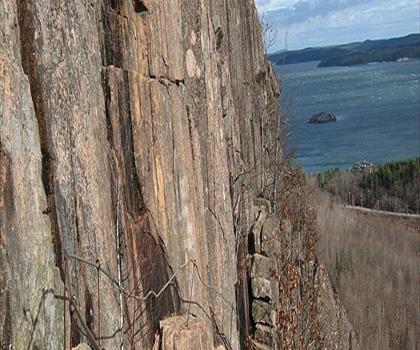
Precipice Trail
Down East & Acadia
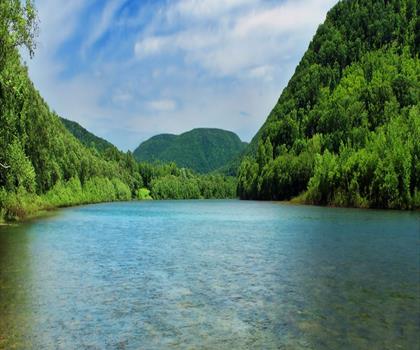
Branch Lake Public Forest
Down East & Acadia

Bernard Mountain
Down East & Acadia
Giant's Stairs Trail
Down East & Acadia
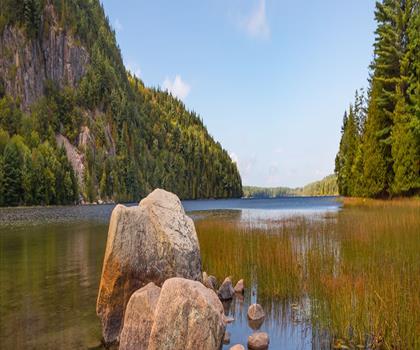
St Sauveur Mountain
Down East & Acadia

Penobscot Mountain
Down East & Acadia
Hiking near Bar Harbor
0 trails to explore ~13 km away
We work hard to provide the most up-to-date and error-free data possible. If something seems incorrect, let us know! Your contribution helps the whole community.
Hikers' opinions