


Ready to explore Great Head Trail (Acadia National Park)? Here's everything you need to know before you go!
Discover the trail

Available trails
| TrailTrails | Dist.Distance | GainElevation | TimeDuration | Difficulty | GPX |
|---|---|---|---|---|---|
|
|
2.39 km | — | 32min | GPX |
GPX track: © OpenStreetMap contributors — ODbL 1.0
Trail description
The Great Head Trail in Acadia National Park delivers one of Maine's most rewarding short hikes, combining dramatic ocean views, fascinating wartime history, and surprisingly varied terrain in a compact 2.6-kilometer loop. Located on Mount Desert Island's eastern edge, this moderately challenging trail attracts hikers who want maximum scenic payoff without committing to an all-day adventure.
Starting from the Sand Beach area, the trail immediately sets itself apart from Acadia's inland routes. Instead of dense forest canopies, you'll find yourself navigating exposed granite ledges, scrambling over rocky outcrops, and following cairn-marked paths that hug the coastline. The terrain shifts constantly—one moment you're picking your way across smooth granite slabs, the next you're stepping through low-growing beach vegetation or balancing on boulder fields shaped by centuries of Atlantic storms.
The trail's moderate difficulty rating comes not from distance or elevation, but from the technical nature of the terrain. Rocky sections require careful foot placement, especially when wet, and the exposed coastal environment means weather conditions can change the hiking experience dramatically. On calm days, the granite warms under the sun and provides excellent traction. During storms or high winds, these same surfaces become slippery and the exposed sections can feel genuinely challenging.
Coastal Views and Natural Features
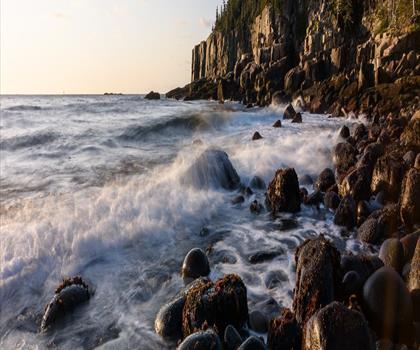
What sets Great Head Trail apart from other Acadia hikes is its unobstructed Atlantic Ocean panorama. The trail's highest point offers sweeping views that stretch from Sand Beach's distinctive pink sand shoreline to the Schoodic Peninsula on clear days. Below, waves crash against the dark granite cliffs with a force that's both mesmerizing and humbling, sending spray high enough to mist hikers on the upper sections during rough weather.
The contrast between the rugged coastline and Sand Beach creates one of Maine's most photographed vistas. The beach's unique coloration—created by crushed shells and sea urchin fragments mixed with traditional sand—stands out brilliantly against the dark granite headland. From the trail's vantage points, you can watch the interplay between the protected beach environment and the wild, wave-battered cliffs just hundreds of yards away.
Pine trees cling to cracks in the granite, their roots finding purchase in seemingly impossible places. These hardy survivors create natural frames for ocean views and provide occasional shade on hot summer days. The salt air carries their resinous scent, mixing with the briny ocean smell to create that distinctive Maine coast atmosphere that keeps visitors coming back.
Historical Elements
Great Head's strategic position didn't go unnoticed during World War II, when military planners recognized its commanding view of the approaches to Bar Harbor. Concrete foundations and metal remnants scattered along the trail mark where gun emplacements and observation posts once stood guard against potential submarine attacks. These weathered structures, now softened by decades of salt air and vegetation, add an unexpected historical dimension to what might otherwise be purely a nature walk.
The fortifications blend surprisingly well with the natural granite landscape, and discovering them feels like uncovering secrets. Some are obvious—large concrete pads that clearly once supported heavy equipment. Others require a more observant eye: metal fixtures embedded in rock faces, or geometric cuts in the granite that reveal human modification of the natural stone.
Trail Experience and Navigation
The loop can be hiked in either direction, but most hikers prefer the clockwise route, which saves the most dramatic ocean views for the trail's second half. The first section climbs gradually through low vegetation and scattered trees, offering glimpses of what's to come without revealing the full spectacle. This approach builds anticipation and makes the eventual coastal reveal more impactful.
Cairns mark the route across exposed granite sections where the trail might otherwise disappear into the rock. These stone markers become crucial navigation aids, especially when fog rolls in from the ocean. The trail surface varies dramatically—from well-defined dirt paths through vegetation to unmarked granite slabs where you follow the most logical route between cairns.
The most technical sections involve scrambling over boulder fields and navigating around cliff edges. While never truly dangerous for careful hikers, these areas demand attention and respect. The granite can be slippery when wet, and the ocean wind can be stronger than expected on exposed sections.
Practical Considerations
Plan on about an hour and fifteen minutes for the complete loop, though many hikers spend considerably longer stopping for photos and simply absorbing the views. The trail's compact nature makes it easy to revisit favorite viewpoints or explore side paths that lead to different coastal perspectives.
Sturdy footwear is essential—the granite can be unforgiving on ankles, and the varied terrain demands shoes with good traction and support. Trail runners work well in dry conditions, but hiking boots provide better ankle protection for the rockier sections. Water is crucial, especially on sunny days when the exposed granite reflects heat and the salt air increases dehydration.
Weather dramatically affects the trail experience. Fog can roll in quickly, transforming ocean views into mysterious gray landscapes and making navigation more challenging. High winds make the exposed sections genuinely exciting, while calm, clear days offer visibility that extends far down the Maine coast. Each weather condition creates a different but equally memorable hiking experience.
Bring a camera, but also be prepared to put it away and simply experience the environment. The interplay of light on water, the sound of waves against granite, and the feeling of ocean wind create a sensory experience that photographs can't fully capture on this remarkable coastal trail.
The Essential Hiking Checklist
Everything you need for your next hike. Bilingual, printable, 1 page.
Get your free hiking checklistRecommended gear for this trail
As an Amazon Associate I earn from qualifying purchases.


Ready to go?
Everything you need to know before you goStarting Point
The start of the trails at the Great Head Trail (Acadia National Park) in Maine can be accessed by parking at the Sieur de Monts Spring parking lot and following the signs to the trailhead.
When?
How much?
As an Amazon Associate I earn from qualifying purchases.
Affiliate links — LGPO may earn a commission at no extra cost to you.
- Hiking shoes Essential
- → Salomon Elixir Tour Mid WP · 203.38 $
- Layered clothing Essential
- Rain jacket Essential
- Trekking poles
- → Black Diamond Trail Ergo Cork · 69.99 $
- Headlamp
- → Petzl Actik Core 625 · 103.95 $
FAQ - Frequently asked questions
Everything you need to knowSimilar hikes nearby
Discover other trails you might enjoy
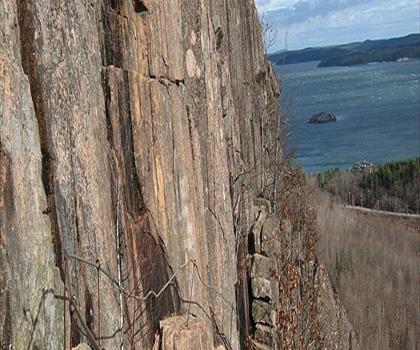
Precipice Trail
Down East & Acadia

Branch Lake Public Forest
Down East & Acadia
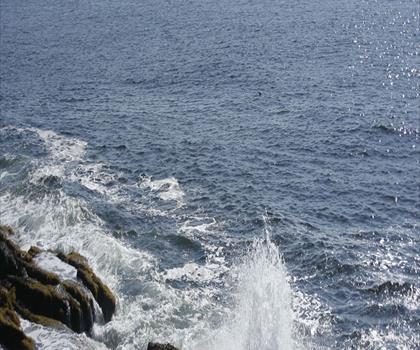
Giant's Stairs Trail
Down East & Acadia
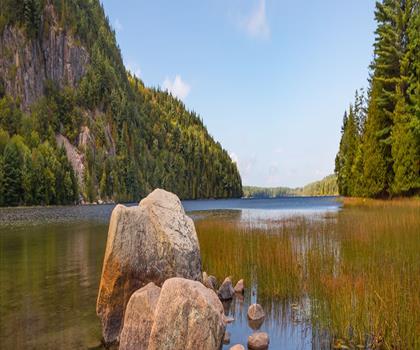
St Sauveur Mountain
Down East & Acadia
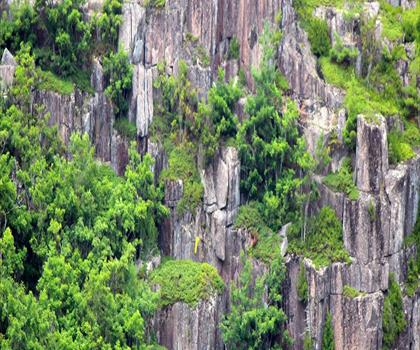
Valley Peak
Down East & Acadia
Gorham Mountain Trailhead
Down East & Acadia
Hiking near Bar Harbor
0 trails to explore ~7 km away
We work hard to provide the most up-to-date and error-free data possible. If something seems incorrect, let us know! Your contribution helps the whole community.
Hikers' opinions
Be the first to review!
No hiker has shared their experience yet. Share your impressions and help other hikers!