
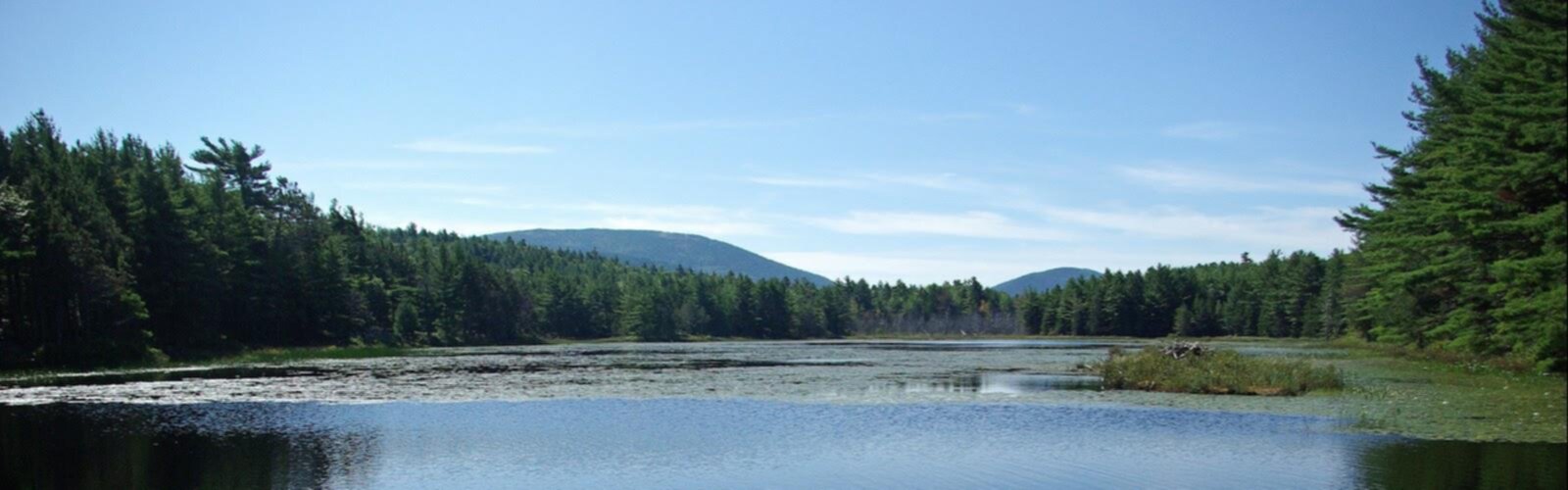

Ready to explore McFarland Mountain, Maine? Here's everything you need to know before you go!
Discover the trail
Oh no! We don't have any photos 😢
This trail hasn't been captured yet. Be the first to share your adventure!Trail description
McFarland Mountain is one of those quiet corners of Maine that doesn't show up on everyone's radar — and that's exactly what makes it worth the trip. Tucked into the Down East & Acadia region, this peak offers a genuine Maine hiking experience: mixed forest, a steady climb, and summit views that remind you just how much undeveloped wilderness this state still holds.
The Trail
The hike covers 3.2 km with 227 meters of elevation gain, and most hikers complete the round trip in around an hour and a half. The difficulty is rated easy, which holds true — the trail is approachable for hikers with a basic fitness level, including older kids and those returning to hiking after a break.
The path starts gently through the lower forest, giving your legs a chance to warm up before the grade picks up. The ascent unfolds at a natural pace, following the contours of the mountain rather than charging straight up. Trail surfaces shift as you gain elevation — soft forest floor in the lower sections, transitioning to rockier ground higher up. Neither extreme is particularly technical, but good footwear makes a difference, especially after rain or during fall when wet leaves can make footing unpredictable.
Forest and Wildlife
The forest on McFarland Mountain is classic Maine mixed woodland — maple, birch, and spruce sharing the canopy, with a lush understory that changes noticeably with the seasons. The lower sections feel rich and moist, with dense undergrowth and soft soil underfoot. Higher up, the vegetation thins and the terrain gets rockier, giving the hike a sense of progression even over a relatively short distance.
Wildlife is present throughout. Deer are common in this part of Maine, and the forest supports a solid variety of bird species. Smaller mammals move through the undergrowth regularly. The area doesn't see heavy foot traffic, which works in your favor — quieter trails mean better odds of actual wildlife encounters rather than just tracks and sounds.
The Summit
The top of McFarland Mountain delivers the kind of view that justifies the climb. Rolling hills covered in dense woodland stretch out in every direction, with very little development breaking the horizon. It's a perspective that puts Maine's scale into focus — this is a state where the forest genuinely dominates, and the summit makes that clear in a way that's hard to appreciate from the road.
The summit is a natural spot to stop, eat something, and take your time before heading back down. The 1h30 estimated duration gives you room to do exactly that without feeling rushed.
Seasonal Conditions
Each season changes the character of the hike in meaningful ways. Spring brings fresh growth and wildflowers along the forest floor, but expect muddy sections and potentially soft trail surfaces after snowmelt. Summer offers the fullest canopy and warmest temperatures, though afternoon thunderstorms can build quickly in Maine — check the forecast before you go and keep an eye on the sky. Fall is arguably the most visually rewarding time to be on this mountain, with the mixed forest turning through reds, oranges, and yellows, though wet leaves on the trail demand extra attention underfoot. Winter is a different experience entirely and requires appropriate gear and experience with cold-weather hiking.
Maine mountain weather can shift faster than conditions in nearby towns suggest, so dressing in layers and carrying a rain layer is a smart habit regardless of the season.
What to Bring
For a hike of this length and difficulty, the basics cover you well. Sturdy hiking boots with ankle support handle the varied terrain comfortably. Carry more water than you think you need — the climb generates more effort than the easy rating might suggest, and staying hydrated keeps the experience enjoyable. Pack a snack or a light lunch to make the most of the summit stop. A camera is worth the space in your pack; the forest light and summit views both reward it.
Given the mountain's location in Maine's backcountry, cell coverage may be limited, so downloading an offline map before you leave is a practical step rather than an optional one.
The Essential Hiking Checklist
Everything you need for your next hike. Bilingual, printable, 1 page.
Get your free hiking checklistRecommended gear for this trail
As an Amazon Associate I earn from qualifying purchases.


Ready to go?
Everything you need to know before you goStarting Point
To access the hiking trails, you can start at one of the following trailheads:
- Trailhead 1: Located at the end of McFarland Road, there is a small parking area available for hikers.
- Trailhead 2: Accessible from the intersection of Route 26 and Mountain Road, where roadside parking is permitted.
Ensure to check local maps for precise directions and any seasonal access restrictions.
When?
How much?
As an Amazon Associate I earn from qualifying purchases.
Affiliate links — LGPO may earn a commission at no extra cost to you.
- Hiking shoes Essential
- → Salomon Elixir Tour Mid WP · 203.38 $
- Layered clothing Essential
- Rain jacket Essential
- Trekking poles
- → Black Diamond Trail Ergo Cork · 69.99 $
- Headlamp
- → Petzl Actik Core 625 · 103.95 $
FAQ - Frequently asked questions
Everything you need to knowSimilar hikes nearby
Discover other trails you might enjoy
Precipice Trail
Down East & Acadia
Branch Lake Public Forest
Down East & Acadia
Giant's Stairs Trail
Down East & Acadia
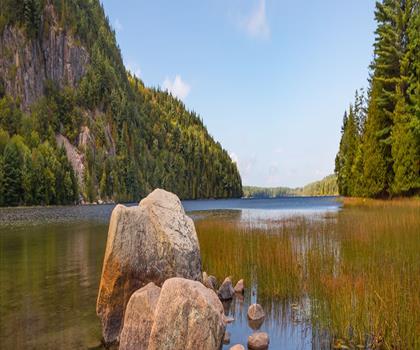
St Sauveur Mountain
Down East & Acadia
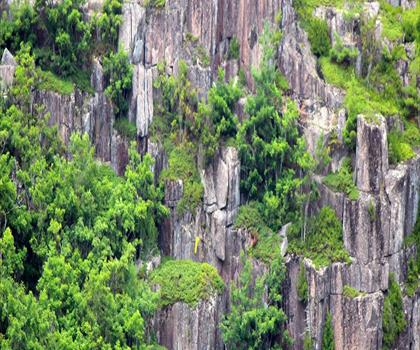
Valley Peak
Down East & Acadia
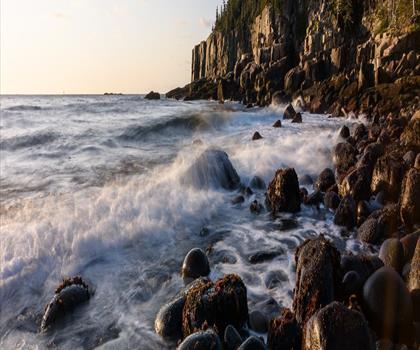
Gorham Mountain Trailhead
Down East & Acadia
Hiking near Bar Harbor
0 trails to explore ~5 km away
We work hard to provide the most up-to-date and error-free data possible. If something seems incorrect, let us know! Your contribution helps the whole community.
Hikers' opinions
Be the first to review!
No hiker has shared their experience yet. Share your impressions and help other hikers!