
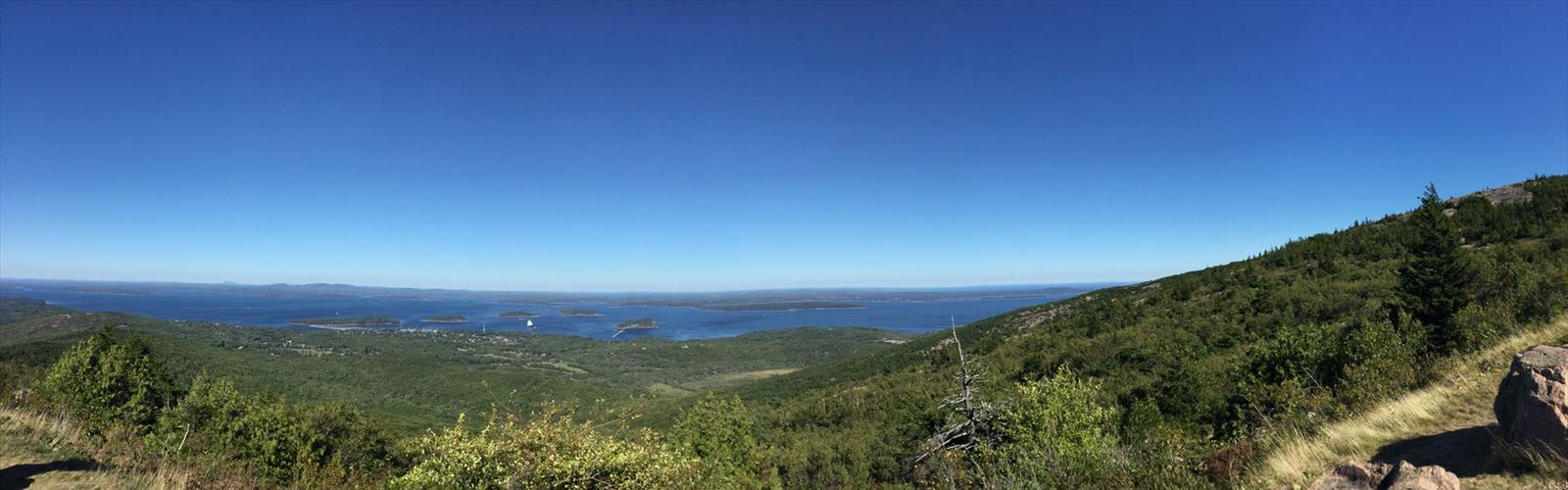

Ready to explore Mt Desert Island? Here's everything you need to know before you go!
Discover the trail

Trail description
Mount Desert Island stands as Maine's premier hiking destination, combining rugged coastal terrain with mountain peaks in a landscape unlike anywhere else on the East Coast. This massive island, the largest off Maine's coast, delivers an extraordinary range of hiking experiences within a relatively compact area, making it possible to summit a mountain in the morning and walk rocky shores by afternoon.
Acadia National Park: The Island's Crown Jewel
Acadia National Park covers much of Mount Desert Island and provides the framework for most hiking adventures here. The park's trail system spans over 150 miles, weaving through diverse terrain that shifts from dense spruce-fir forests to exposed granite ridges to pristine lakeshores. What sets these trails apart is their variety—you can choose anything from flat carriage roads perfect for families to steep, rocky scrambles that challenge experienced hikers.
The trail network here follows natural contours and historic routes, including the famous carriage roads built by John D. Rockefeller Jr. in the early 1900s. These gravel paths provide excellent hiking on gentler grades, while the hiking trails proper often follow more direct routes up mountainsides and along the coast. The carriage roads create a unique dual-trail system where you can often choose between a moderate grade on gravel or a steeper, more direct path on the same mountain.
Cadillac Mountain: The East Coast's Highest Peak
At 1,530 feet, Cadillac Mountain claims the distinction of being the tallest peak on the U.S. East Coast, and the hiking experience lives up to that status. The summit offers 360-degree views that stretch from the Atlantic Ocean to inland Maine's lakes and forests. On clear days, you can see all the way to Nova Scotia.
The sunrise experience from Cadillac Mountain has become legendary among hikers. As one of the first places in the United States to see daylight, the summit draws early risers who make the pre-dawn hike to witness the sun emerging from the Atlantic. The granite summit provides plenty of space to spread out and take in the spectacle, though expect company during peak season.
Multiple routes lead to Cadillac's summit, ranging from moderate climbs to more challenging approaches. The terrain typically involves hiking through mixed forests before emerging onto open granite slabs as you near the top. The transition from forest to exposed rock creates a dramatic shift in the hiking experience as views gradually open up.
Ocean Path Trail: Where Mountains Meet the Sea
The Ocean Path Trail showcases Mount Desert Island's most distinctive feature—the dramatic meeting of mountains and ocean. This four-mile round-trip trail follows the coastline between Sand Beach and Otter Point, staying close to the shore for nearly its entire length.
Walking this trail means navigating along pink granite cliffs while waves crash below. The path itself rates as easy to moderate, with some rocky sections and gentle elevation changes. What makes this hike memorable isn't the physical challenge but the constantly changing coastal scenery. You'll pass Thunder Hole, where waves create booming sounds as they surge into a narrow inlet, and numerous viewpoints where you can watch the interplay of granite, forest, and sea.
The trail surface varies from smooth sections to areas where you're walking directly on granite slabs. The proximity to the ocean means conditions can change quickly—calm seas can become rough, and fog can roll in without warning, transforming the entire hiking experience.
Terrain and Trail Character
Mount Desert Island's granite foundation shapes every hiking experience here. The rock formations create natural steps, ledges, and viewpoints that make each trail feel like a journey through a massive outdoor sculpture garden. Many trails incorporate iron rungs and stone steps built into the natural rock faces, helping hikers navigate steeper sections safely.
The island's forests consist primarily of spruce and fir trees, creating a distinctly northern character even in summer. These dense woods provide shelter and shade on inland trails, while coastal routes often feature more open terrain with scattered vegetation adapted to salt spray and wind exposure. The contrast between these environments means you can experience dramatically different hiking conditions within the same day.
Wildlife and Natural Environments
Mount Desert Island's position between land and sea creates habitat diversity that supports an impressive range of wildlife. White-tailed deer are common throughout the island's forests and frequently seen along trails, especially during early morning and evening hikes. Peregrine falcons nest on the island's cliffs and can often be spotted soaring above coastal areas.
The coastline provides opportunities to observe marine life, particularly harbor seals that haul out on offshore rocks and ledges. During certain times of year, you might spot porpoises or even whales from elevated coastal viewpoints.
The island's varied habitats—from dense coniferous forests to open meadows to freshwater ponds—create excellent conditions for nature observation and photography. Each ecosystem supports different species, so hiking various trails increases your chances of diverse wildlife encounters.
Planning Your Island Adventure
Mount Desert Island accommodates both day hikers and those planning extended stays. The trail system's design allows you to combine different routes and difficulty levels depending on your time and energy. Many hikers find that spending several days on the island provides the best experience, allowing time to explore both mountain and coastal trails without rushing.
Trail conditions can vary significantly with weather and season, so checking current conditions before heading out proves essential. The granite surfaces common on many trails can become slippery when wet, and coastal trails may be affected by high winds or storms. Proper footwear with good grip becomes crucial, especially on the exposed rock sections that characterize many of the island's most scenic routes.
Essential gear includes plenty of water, as natural water sources are limited on many trails, and snacks or meals for longer hikes. Weather-appropriate clothing is crucial, especially on coastal trails where conditions can change rapidly. The combination of elevation and ocean exposure means temperatures and wind conditions can vary dramatically even within a single hike.
The Essential Hiking Checklist
Everything you need for your next hike. Bilingual, printable, 1 page.
Get your free hiking checklistRecommended gear for this trail
As an Amazon Associate I earn from qualifying purchases.


Ready to go?
Everything you need to know before you goStarting Point
The best way to get to the start of the trails at the mt desert island is to take a ferry from Bar Harbor.
When?
How much?
As an Amazon Associate I earn from qualifying purchases.
Affiliate links — LGPO may earn a commission at no extra cost to you.
- Hiking shoes Essential
- → Salomon Elixir Tour Mid WP · 203.38 $
- Layered clothing Essential
- Rain jacket Essential
- Trekking poles
- → Black Diamond Trail Ergo Cork · 69.99 $
- Headlamp
- → Petzl Actik Core 625 · 103.95 $
FAQ - Frequently asked questions
Everything you need to knowSimilar hikes nearby
Discover other trails you might enjoy
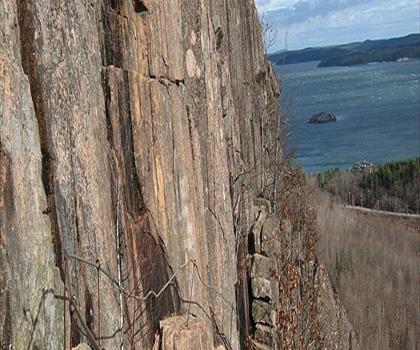
Precipice Trail
Down East & Acadia
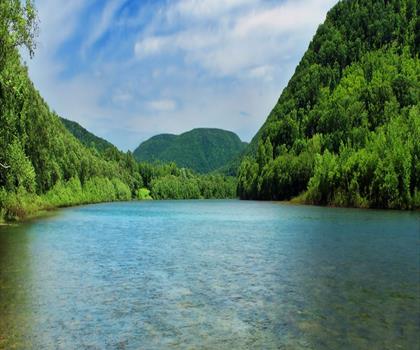
Branch Lake Public Forest
Down East & Acadia
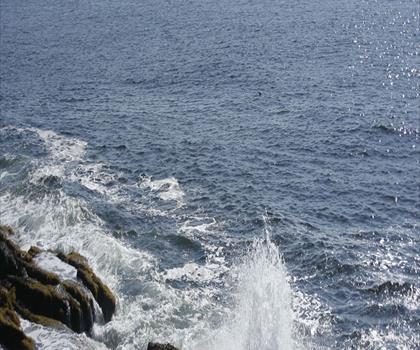
Giant's Stairs Trail
Down East & Acadia
St Sauveur Mountain
Down East & Acadia
Valley Peak
Down East & Acadia
Gorham Mountain Trailhead
Down East & Acadia
Hiking near Bar Harbor
0 trails to explore ~8 km away
We work hard to provide the most up-to-date and error-free data possible. If something seems incorrect, let us know! Your contribution helps the whole community.
Hikers' opinions
Be the first to review!
No hiker has shared their experience yet. Share your impressions and help other hikers!