


Ready to explore Penobscot? Here's everything you need to know before you go!
Discover the trail
Oh no! We don't have any photos 😢
This trail hasn't been captured yet. Be the first to share your adventure!Trail description
The Penobscot River stands as Maine's largest waterway and New England's second-largest river after the Connecticut, flowing approximately 310 miles from its headwaters in the northern wilderness to the Atlantic Ocean. This massive river system drains more than 8,000 square miles of north-central and eastern Maine, creating a watershed that encompasses much of the state's legendary North Woods and includes Mount Katahdin, Maine's highest peak at the northern terminus of the Appalachian Trail.
What makes the Penobscot particularly compelling for outdoor enthusiasts is its incredible diversity of recreational opportunities along its length. The river transforms dramatically as it flows southward, offering everything from challenging whitewater runs in its upper reaches to excellent fishing waters and scenic paddling in its lower sections. This variety means you can experience vastly different outdoor adventures depending on which section of the river you choose to explore.
Upper River: Whitewater and Wilderness
The Penobscot begins its journey at Ripogenus Dam in Ripogenus Gorge, part of the Allagash Wilderness Waterway in Aroostook County. The upper sections of the river are a magnet for whitewater enthusiasts, who flock here for some of the most exciting rafting and kayaking in the Northeast. The river's character in these reaches is defined by powerful rapids, rocky gorges, and the kind of remote wilderness setting that makes Maine's North Woods famous.
As the river flows south-southeast through a series of pristine lakes and ponds—including Chesuncook Lake, Webster Lake, and Ripogenus Lake—it offers paddlers a chance to experience the vast, undeveloped landscape that once covered much of northern New England. These waters provide a stark contrast to the whitewater sections, with calm paddling conditions perfect for taking in the surrounding wilderness.
Middle Sections: Industrial Heritage and Scenic Beauty
Moving downstream, the Penobscot passes through Penobscot County and several historic mill towns including Medway, Millinocket, East Millinocket, and Bucksport. This section tells the story of Maine's industrial heritage, where the river served as both a transportation route and a power source for the lumber and paper industries that shaped the region's economy for generations. The presence of several dams and hydroelectric plants along this stretch, including the significant Howland Dam built in 1906, reflects this industrial legacy.
Despite the industrial influence, this middle section offers excellent recreational opportunities. The stretch from Eddington to Bangor is considered one of New England's premier whitewater runs, combining technical challenges with scenic beauty. The Howland Dam controls water flow into the Howland Canal, a man-made channel that connects the Penobscot with the Bangor Hydroelectric Dam on Kenduskeag Stream, creating interesting paddling conditions for those familiar with the area's hydrology.
Lower River: Tidal Waters and Fishing Excellence
Below Bucksport, the Penobscot's character changes once again as it becomes a tidal river, with ocean tides influencing its flow and direction. The tidal range of about 6 feet means the river can change direction relatively quickly, creating unique paddling conditions but also navigation challenges that have historically made this section notorious for shipwrecks. Understanding tidal timing becomes crucial for anyone planning to paddle or fish these lower reaches.
The lower Penobscot is renowned for its exceptional salmon and trout fishing. The river supports a diverse fish population including brook trout, landlocked salmon, smallmouth bass, and American eel. Recent dam removal projects have helped restore fish migration patterns, particularly benefiting salmon populations that were historically important to both the ecosystem and local communities.
Cultural and Historical Significance
The Penobscot River carries deep cultural significance that extends far beyond its recreational value. The Penobscot Indian Nation has inhabited this watershed for thousands of years and maintains a profound connection to the river that continues today. For early European settlers, the river served as a vital transportation corridor, allowing access to the interior forests and facilitating the timber industry that would define much of Maine's early economy.
This historical importance is still visible today in the towns and infrastructure along the river's course. The transportation networks, mill sites, and community locations all reflect the river's role in shaping human settlement patterns throughout central and eastern Maine.
Planning Your Visit
The Penobscot's 310-mile length and diverse character mean that planning is essential for making the most of your visit. Whitewater enthusiasts should focus on the upper sections, particularly during spring runoff when water levels are optimal. The timing of dam releases can significantly affect conditions, so checking current water levels and release schedules is crucial for safety and enjoyment.
For fishing, the lower sections offer the most consistent opportunities, though different species are active at different times of year. The tidal influence in the lower river means that tide charts become as important as weather forecasts for planning successful fishing trips.
Scenic paddling opportunities exist throughout the system, but the lake sections in the upper watershed provide the most peaceful experiences for those seeking to immerse themselves in Maine's wilderness character. These areas also offer the best opportunities for wildlife viewing, as the undeveloped shorelines provide habitat for the diverse species that call the North Woods home.
Access points vary significantly along the river's length, from remote wilderness launches requiring careful planning and self-sufficiency to easily accessible town landings with parking and facilities. The river's role as a major transportation corridor means that roads and bridges provide numerous access opportunities, though some of the most rewarding sections require more effort to reach.
The Essential Hiking Checklist
Everything you need for your next hike. Bilingual, printable, 1 page.
Get your free hiking checklistRecommended gear for this trail
As an Amazon Associate I earn from qualifying purchases.


Ready to go?
Everything you need to know before you goStarting Point
The penobscot is located in Bangor, Maine. To get to the start of the trails, take exit 182 from I-95 and head north on Main Street. The penobscot will be on your right.
The penobscot is located in Bangor, Maine. To get to the start of the trails, take exit 182 from I-95 and head north on Main Street. The penobscot will be on your left.
The penobscot is located in Orono, Maine. To get to the start of the trails, take exit 187 from I-95 and head north on US Route 2. The penobscot will be on your right.
The penobscot is located in Bangor, Maine. To get to the start of the trails, take exit 182 from I-95 and head north on Main Street. The penobscot will be on your right.
When?
How much?
As an Amazon Associate I earn from qualifying purchases.
Affiliate links — LGPO may earn a commission at no extra cost to you.
- Hiking shoes Essential
- → Salomon Elixir Tour Mid WP · 203.38 $
- Layered clothing Essential
- Rain jacket Essential
- Trekking poles
- → Black Diamond Trail Ergo Cork · 69.99 $
- Headlamp
- → Petzl Actik Core 625 · 103.95 $
FAQ - Frequently asked questions
Everything you need to knowSimilar hikes nearby
Discover other trails you might enjoy
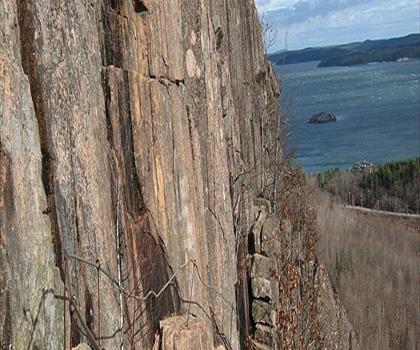
Precipice Trail
Down East & Acadia
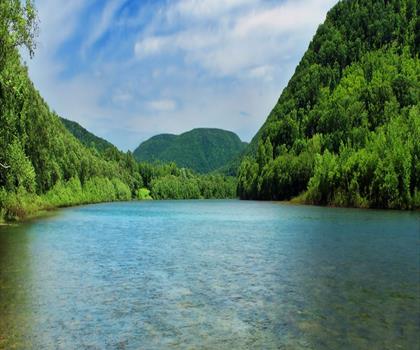
Branch Lake Public Forest
Down East & Acadia
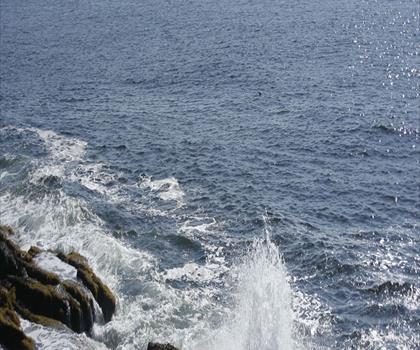
Giant's Stairs Trail
Down East & Acadia
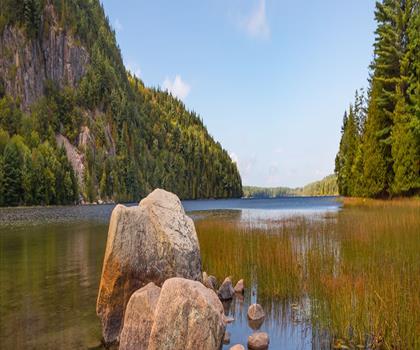
St Sauveur Mountain
Down East & Acadia

Valley Peak
Down East & Acadia
Gorham Mountain Trailhead
Down East & Acadia
Hiking near Bangor
0 trails to explore ~38 km away
We work hard to provide the most up-to-date and error-free data possible. If something seems incorrect, let us know! Your contribution helps the whole community.
Hikers' opinions
Be the first to review!
No hiker has shared their experience yet. Share your impressions and help other hikers!