
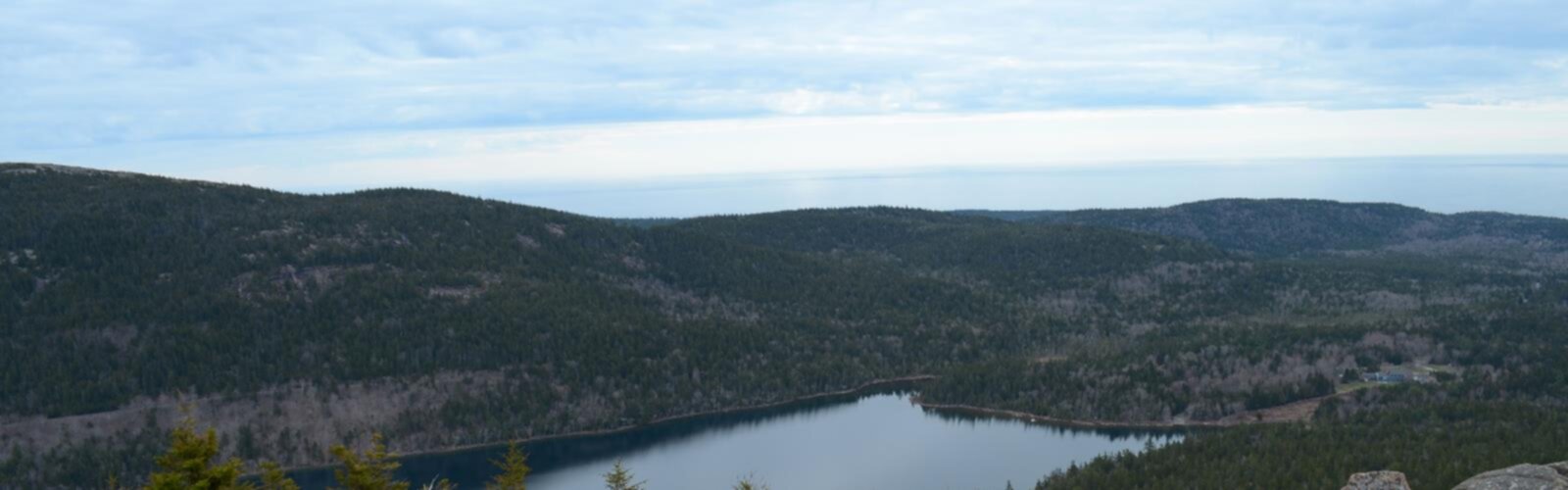

Ready to explore Sargent Mountain, Maine? Here's everything you need to know before you go!
Discover the trail
Oh no! We don't have any photos 😢
This trail hasn't been captured yet. Be the first to share your adventure!Trail description
Sargent Mountain stands as the second-highest peak on Mount Desert Island at 1,373 feet, offering some of the most rewarding hiking experiences in Acadia National Park. Located on the quieter western side of the island, this granite dome provides spectacular panoramic views while drawing fewer crowds than the more famous Cadillac Mountain. The mountain's exposed summit delivers sweeping vistas across Frenchman Bay, the Porcupine Islands, and the rugged coastline that defines this corner of Maine.
The hiking experience on Sargent Mountain varies dramatically depending on your chosen route, with options ranging from gentle carriage road approaches to steep, technical scrambles up granite slabs. The mountain's position in the heart of the island means hikers traverse diverse ecosystems, from dense coniferous forests at the base to windswept alpine zones near the summit. The granite bedrock creates unique terrain features, including smooth slabs, deep crevices, and scattered boulders that make each trail segment feel distinct.
Trail Options and Routes
The Sargent Mountain Loop Trail represents the most popular and well-balanced approach, covering approximately 5.2 miles with 1,200 feet of elevation gain. This route typically begins from the Jordan Pond Path parking area and follows the Jordan Cliffs Trail northward. The initial section winds through mixed hardwood and coniferous forest, gradually ascending along well-maintained stone steps and wooden boardwalks that protect sensitive vegetation.
As the trail gains elevation, hikers encounter the dramatic Jordan Cliffs section, where the path hugs steep granite faces with iron rungs and handholds bolted into the rock. This portion requires careful attention and basic scrambling skills, especially when wet. The exposure here provides early glimpses of Jordan Pond far below and the rolling hills extending toward Bar Harbor.
The Sargent South Ridge Trail offers a more direct but steeper ascent, climbing roughly 1,000 feet over 1.4 miles. This route appeals to hikers seeking a more challenging workout without technical difficulties. The trail follows old fire roads for portions of the climb before transitioning to narrower footpaths through dense spruce and fir stands. Near the summit, the forest opens to reveal increasingly expansive views.
For those preferring gentler grades, the carriage road system provides access via the Sargent Mountain Carriage Road, which approaches from the north. This gravel road maintains moderate grades suitable for families with children, though the distance increases to approximately 3.2 miles one-way from the nearest parking area. The carriage road intersects with hiking trails at several points, allowing for creative loop combinations.
Summit Experience and Views
Sargent Mountain's broad, granite summit plateau spans several acres, providing ample space for groups and extended breaks. Unlike many New England peaks, the summit offers 360-degree views with minimal tree obstruction. To the east, Cadillac Mountain dominates the skyline, while Frenchman Bay stretches toward the mainland with its intricate pattern of islands and inlets.
The western views encompass the quieter side of Mount Desert Island, including the villages of Southwest Harbor and Tremont nestled along protected harbors. On clear days, the Camden Hills are visible across Penobscot Bay, and the White Mountains appear as a distant blue line on the northwestern horizon. The summit's granite composition creates natural seating areas and wind shelters, making it an ideal spot for extended rest stops.
Weather conditions on the summit can change rapidly, with temperatures typically 10-15 degrees cooler than at sea level. The exposed granite heats quickly in direct sunlight but provides little protection from wind or precipitation. Morning fog frequently obscures views during summer months, often clearing by mid-morning to reveal spectacular vistas.
Terrain and Hiking Experience
The granite slabs that characterize Sargent Mountain create a unique hiking environment unlike most other peaks in the region. These smooth rock faces require careful foot placement, particularly when damp from morning dew or recent rain. The natural fractures in the granite form convenient handholds and footholds, but hikers should test each hold before committing their full weight.
Lower elevation sections feature classic Maine forest terrain with exposed roots, rocky steps, and occasional muddy patches during wet periods. The transition from forest to open granite happens gradually, giving hikers time to adjust to the changing terrain. Cairns mark the route across open rock faces where the trail becomes less obvious, though the path generally follows the most logical line up the mountain.
Seasonal Considerations and Conditions
Spring hiking on Sargent Mountain typically becomes feasible by late April, though snow may persist in shaded areas and at higher elevations into early May. Mud season affects lower elevation trails more than the rocky upper sections, but hikers should expect wet conditions and potentially icy patches during morning hours. Spring offers excellent visibility before summer haze develops, and migrating birds add interest to the hiking experience.
Summer represents peak hiking season, with warm temperatures and generally stable weather patterns. However, afternoon thunderstorms develop regularly, making early morning starts advisable for summit attempts. The granite slabs become extremely hot during midday sun exposure, and the lack of water sources on upper portions of trails requires careful hydration planning. Blackflies and mosquitoes can be problematic in wooded areas during June and early July.
Fall hiking provides some of the year's best conditions, with comfortable temperatures, reduced insect activity, and spectacular foliage displays. Peak color typically occurs during the first two weeks of October, though timing varies with weather patterns. The granite summit areas offer excellent vantage points for photographing the autumn transformation across the island's forests.
Winter access requires snowshoes or microspikes depending on conditions, and the carriage roads receive regular grooming for cross-country skiing. The hiking trails themselves become more challenging due to ice formation on granite slabs and reduced daylight hours. Winter views can be exceptional, with snow-covered landscapes extending to the horizon and reduced atmospheric haze.
Practical Information and Planning
Parking for Sargent Mountain hikes fills quickly during peak summer months, particularly at the Jordan Pond House lot. Alternative parking areas include the Bubble Rock lot and various carriage road access points, though these may require longer approach walks. The Island Explorer shuttle system serves several trailheads during summer months, providing an alternative to driving.
Water sources are extremely limited on Sargent Mountain itself, making adequate hydration planning essential. Jordan Pond provides the only reliable water source near most trailheads, though proper filtration is necessary. Most hikers carry sufficient water for the entire trip rather than depending on natural sources.
Dogs are permitted on all Sargent Mountain trails but must remain leashed at all times. The granite slabs and iron rungs on certain trail sections can be challenging for dogs, particularly those with shorter legs or limited climbing experience. Paw protection may be advisable during hot weather when granite surfaces become extremely warm.
The mountain's trails are generally suitable for children with hiking experience, though the Jordan Cliffs section requires adult supervision and assistance. Families often prefer the carriage road approaches, which provide steady but manageable grades and wider trail surfaces. The summit's open areas allow children to explore safely while adults enjoy the panoramic views across Acadia National Park.
The Essential Hiking Checklist
Everything you need for your next hike. Bilingual, printable, 1 page.
Get your free hiking checklistRecommended gear for this trail
As an Amazon Associate I earn from qualifying purchases.


Ready to go?
Everything you need to know before you goStarting Point
To access the hiking trails, you can start at the Jordan Pond House parking area located at 2928 Park Loop Road, Seal Harbor, ME 04675. Another option is the parking area at the north end of Eagle Lake, accessible from Eagle Lake Road (Route 233). Both locations provide trailheads leading to your destination.
When?
How much?
As an Amazon Associate I earn from qualifying purchases.
Affiliate links — LGPO may earn a commission at no extra cost to you.
- Hiking shoes Essential
- → Salomon Elixir Tour Mid WP · 203.38 $
- Layered clothing Essential
- Rain jacket Essential
- Trekking poles
- → Black Diamond Trail Ergo Cork · 69.99 $
- Headlamp
- → Petzl Actik Core 625 · 103.95 $
FAQ - Frequently asked questions
Everything you need to knowSimilar hikes nearby
Discover other trails you might enjoy
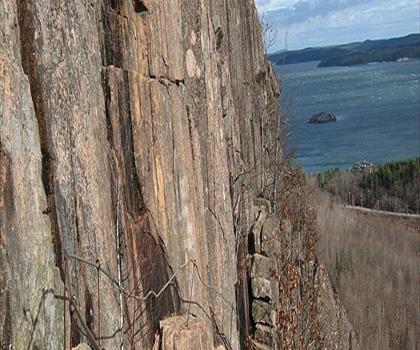
Precipice Trail
Down East & Acadia
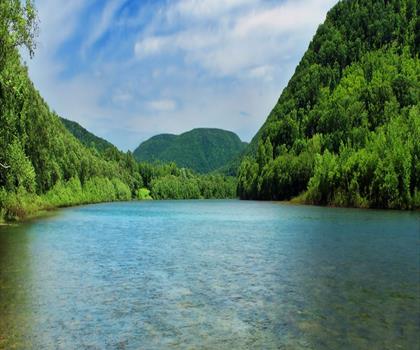
Branch Lake Public Forest
Down East & Acadia
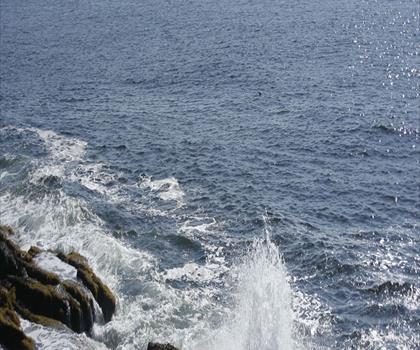
Giant's Stairs Trail
Down East & Acadia
St Sauveur Mountain
Down East & Acadia
Valley Peak
Down East & Acadia
Gorham Mountain Trailhead
Down East & Acadia
Hiking near Bar Harbor
0 trails to explore ~7 km away
We work hard to provide the most up-to-date and error-free data possible. If something seems incorrect, let us know! Your contribution helps the whole community.
Hikers' opinions
Be the first to review!
No hiker has shared their experience yet. Share your impressions and help other hikers!