

Ready to explore Abbot Trailside Lodging? Here's everything you need to know before you go!
Discover the trail
Oh no! We don't have any photos 😢
This trail hasn't been captured yet. Be the first to share your adventure!Trail description
Abbot Trailside Lodging is exactly what the name suggests — a place to sleep that puts you right next to the trail rather than a long drive away from it. Situated in Maine's highlands, this lodging is built around a simple idea: spend less time in the car and more time on the trail. Whether you're planning a weekend sampler or a multi-day push through the region's trail network, the location does a lot of the logistical work for you.
What Makes This Location Work
The Maine highlands have a particular character that sets them apart from the state's coastal areas or its more famous northern peaks. You're in dense spruce and fir country here, where the forest floor is soft with decades of fallen needles and the air carries that sharp, resinous smell that defines the region. Granite outcroppings push through the woodland at regular intervals, and clear streams cut across the terrain in ways that keep the landscape interesting even on flatter stretches.
Staying trailside means your mornings start differently. Instead of packing the car and navigating to a trailhead, you're lacing up your boots and stepping out. That shift in routine changes the whole rhythm of a hiking trip — you move at the pace of the terrain rather than the pace of a schedule.
Trail Access and Nearby Hiking
The Appalachian Trail runs through this section of Maine, and access from Abbot Trailside Lodging puts you on one of the more varied stretches of the entire route. This isn't the AT's flat, well-groomed sections — Maine's highland segment moves through stream crossings, moss-covered boulder fields, and exposed ridgeline walks where views open up across multiple mountain ranges. The trail demands attention: root-covered paths, occasional granite slab scrambles, and terrain that shifts character without much warning.
Borestone Mountain is another strong option for hikers based here. The trail takes you through classic Maine woodland before breaking out onto open ledges with wide panoramic views over the surrounding lake country. The effort-to-payoff ratio is solid — it's not a casual stroll, but it's not a sufferfest either. The summit's distinctive profile makes it a recognizable landmark in the region, and the views give you a real sense of how this highland terrain sits within the broader Maine landscape.
The wider trail network connects routes of varying character and difficulty. Families with younger hikers can find gentler forest walks, while more experienced hikers can push into technical terrain that requires careful foot placement and comfort with basic rock navigation. Spring snowmelt and post-rain conditions can make stream crossings a genuine consideration, so waterproof footwear earns its keep here.
Terrain and Trail Conditions
The elevation in this part of Maine keeps temperatures cooler than you might expect, even in summer, and the forest canopy provides natural shade during the warmest parts of the day. That said, the weather moves quickly. Afternoon thunderstorms are a real possibility in summer, which makes early starts a practical habit rather than just a suggestion. Morning fog often settles into the valleys while the peaks stay clear above it — one of those atmospheric details that makes highland hiking feel different from lower-elevation routes.
The trail surface here keeps you honest. Soft needle duff gives way to exposed roots and rock without much transition, and wet conditions make both slippery. Granite slabs require deliberate foot placement, especially on descents. None of this is beyond a reasonably fit hiker with appropriate footwear, but it's worth knowing before you head out in trail runners with worn soles.
Wildlife is a consistent part of the experience. Black bears live in these forests and generally keep their distance from people, but standard food storage practices apply. Moose are common in the wetter areas and can appear on trail suddenly, particularly in early morning and evening. White-tailed deer, red squirrels, and various woodpecker species round out the regular sightings.
The Lodging Itself
Abbot Trailside Lodging leans into its setting rather than working against it. The accommodations are practical and comfortable — designed around what hikers actually need after a day on rocky terrain rather than what looks good in a brochure. The rustic atmosphere fits the surroundings, and the fire pit provides a natural end-of-day gathering point where route planning for the next morning happens organically.
The rural location means genuine dark skies at night, which is worth staying up for on clear evenings, particularly in fall and winter when the air is dry and the stars are sharp. Local dining options focus on hearty, straightforward food — the kind of meals that make sense after a full day of elevation gain and trail miles rather than the kind that require a reservation weeks in advance.
Planning Your Visit
The trail variety here supports trips of different lengths and intentions. A weekend visit gives you enough time to sample the AT and get up Borestone Mountain. A longer stay opens up the broader trail network and lets you adjust daily plans based on weather, energy, or what the group is feeling. The range of difficulty levels means you're not locked into a single type of experience — you can push hard one day and take an easier forest walk the next.
Seasonal timing shapes the experience significantly. Summer brings reliable trail access and long daylight hours, along with the region's full insect season — black flies in late spring and mosquitoes through summer are part of the deal. Fall delivers the foliage that Maine's highlands are known for, along with cooler temperatures and fewer bugs. Spring is muddy and unpredictable but rewards patient hikers with wildflowers and near-empty trails. Winter converts the area to snowshoe and cross-country ski terrain for those with the gear and experience to handle Maine's serious cold.
The estimated hiking time of around one hour reflects the accessible options directly from the lodging, with the elevation gain of roughly 60 meters keeping things manageable for most fitness levels — though the broader trail network offers considerably more demanding options for those looking to push further.
The Essential Hiking Checklist
Everything you need for your next hike. Bilingual, printable, 1 page.
Get your free hiking checklistRecommended gear for this trail
As an Amazon Associate I earn from qualifying purchases.


Ready to go?
Everything you need to know before you goStarting Point
The abbot trailside lodging is located in Carrabassett Valley, Maine. To get to the start of the trails, take Route 27 north from Kingfield, Maine. The abbot trailside lodging will be on the right hand side.
When?
How much?
As an Amazon Associate I earn from qualifying purchases.
Affiliate links — LGPO may earn a commission at no extra cost to you.
- Hiking shoes Essential
- → Salomon Elixir Tour Mid WP · 203.38 $
- Layered clothing Essential
- Rain jacket Essential
- Trekking poles
- → Black Diamond Trail Ergo Cork · 69.99 $
- Headlamp
- → Petzl Actik Core 625 · 103.95 $
FAQ - Frequently asked questions
Everything you need to knowSimilar hikes nearby
Discover other trails you might enjoy
Chimney Peak, Maine
Maine Highlands
Katahdin
Maine Highlands

Little Spencer Mountain
Maine Highlands
barnard mountain
Maine Highlands
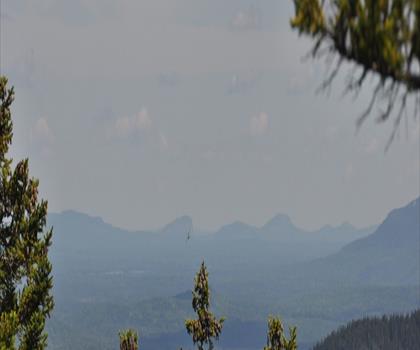
Pleasant Pond Mountain
Maine Highlands
Katahdin Lake
Maine Highlands
Hiking near Bangor
0 trails to explore ~70 km away
We work hard to provide the most up-to-date and error-free data possible. If something seems incorrect, let us know! Your contribution helps the whole community.
Hikers' opinions
Be the first to review!
No hiker has shared their experience yet. Share your impressions and help other hikers!