
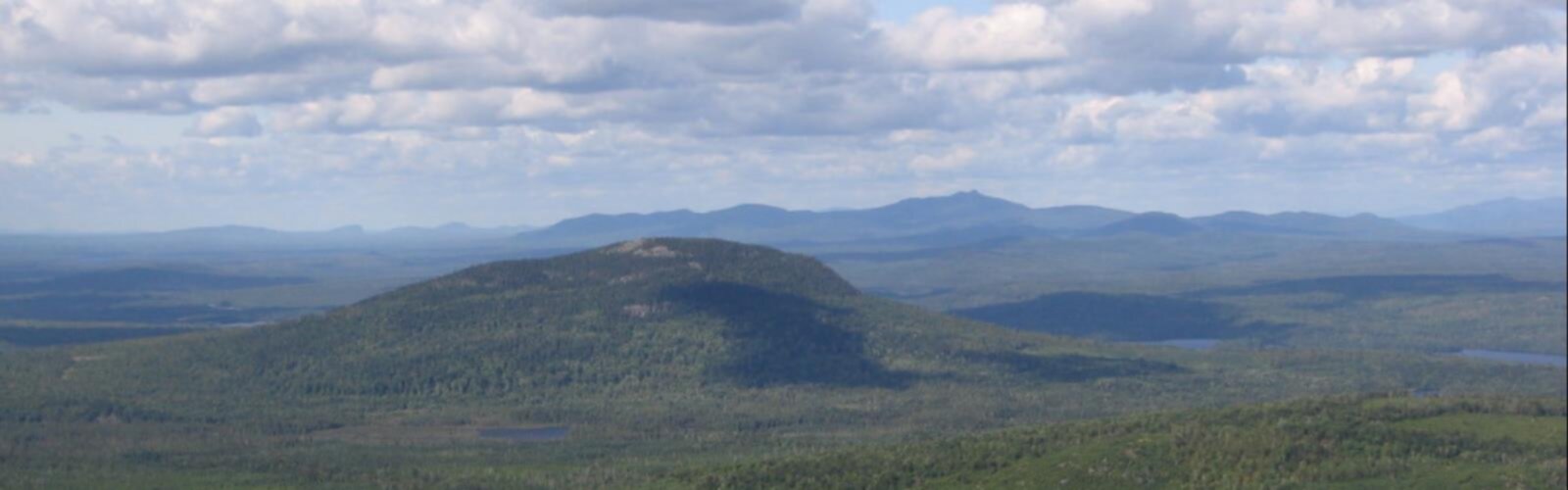

Ready to explore Big Moose Mountain, Maine? Here's everything you need to know before you go!
Discover the trail
Oh no! We don't have any photos 😢
This trail hasn't been captured yet. Be the first to share your adventure!Trail description
Big Moose Mountain is one of those peaks that earns its reputation the honest way — not through sheer size, but through the quality of the experience from trailhead to summit. At 3,196 feet, this Maine Highlands summit delivers panoramic views that genuinely compete with much taller mountains in the region, and the 5.6 km round trip with 335 meters of elevation gain hits a sweet spot that makes it accessible to a wide range of hikers without feeling like a pushover.
What makes Big Moose Mountain stand out in the western Maine mountains is the combination of varied terrain, a well-defined summit, and views that open up across multiple mountain ranges and pristine lakes. It's the kind of hike where the payoff matches the effort — and then some.
The Trail Experience
The approach starts in classic Maine woodland — dense mixed forest of maple, birch, and evergreen that keeps things shaded and cool in the lower sections. The grade is moderate early on, giving your legs a chance to find their rhythm before the trail starts asking more of you. Occasional stream crossings add a bit of character to the lower stretch without creating any real obstacles for most hikers.
As you gain elevation, the forest shifts noticeably. Maple and birch give way to spruce and fir, and the understory thins out into the low-growing shrubs and ground cover that thrive in cooler, windier conditions. It's a gradual transition, but by the time you're in the upper third of the climb, you're in a distinctly different environment than where you started.
The final push to the summit crosses open granite ledges where the trail markers become your best friends. These exposed rock faces are where the hike gets its character — smooth, glacier-polished slabs that require a bit of attention underfoot, especially if there's any moisture around. They can be slippery when wet, so trekking poles are worth considering if you're heading out after rain. The upside is that these open sections give you your first real previews of the views waiting at the top, which does a good job of keeping motivation high.
Summit Views
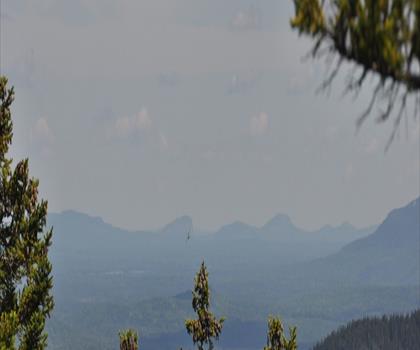
The summit area of Big Moose Mountain is genuinely open, with multiple vantage points spread across the exposed granite. From the high point, you can pick out numerous other peaks in the western Maine mountains — the kind of view that has you mentally mapping out future hikes while you eat your lunch. The lake views are a particular highlight, with several bodies of water visible from different spots along the summit ridge. The way they catch and reflect light throughout the day makes this a strong destination for photography, whether you're shooting with a dedicated camera or just your phone.
On a clear day, the visibility stretches far enough to give you a real sense of scale — you're not just looking at a pretty foreground, you're seeing deep into Maine's wilderness. The exposed summit also means weather can shift quickly, so it's worth checking the forecast before you head out and packing a layer even on warm days.
Wildlife and Natural Features
The varied habitats along the trail create good conditions for wildlife observation throughout the hike. Songbirds are active in the deciduous lower sections, while the coniferous upper elevations attract hardier species. The transition zones between forest types tend to concentrate wildlife activity, so it's worth slowing down in those areas and paying attention.
The forest floor tells a clear seasonal story — spring wildflowers, summer's full green canopy, and fall foliage that layers color across the mixed forest in a way that's particularly striking when viewed from the summit. The granite surfaces near the top show obvious glacial shaping, with smooth rounded forms that give you a tangible connection to the geological history of the region.
Signs of larger wildlife are common along the trails. Actual sightings depend on timing and how quietly you move, but Big Moose Mountain sits within a broader wilderness area that supports healthy animal populations and serves as part of active wildlife corridors.
Seasonal Notes
Summer is the most straightforward season on Big Moose Mountain — predictable weather, long daylight hours, and trail conditions that are generally reliable. It's the easiest time to take your time on the summit without worrying about conditions changing on you.
Fall is arguably the most visually rewarding season. The mixed forest creates layered foliage that looks especially good from the elevated summit perspective, and the cooler temperatures make for comfortable hiking. Weather becomes less predictable as the season progresses, so keep an eye on forecasts.
Winter hiking on Big Moose Mountain is a serious undertaking. The exposed summit areas are genuinely challenging in winter conditions, and proper gear — microspikes or snowshoes, layering system, navigation tools — is non-negotiable. The reward is real solitude and a dramatically different landscape, but this is not a casual winter outing.
Spring means mud season, which is a real factor in Maine. Trail conditions can be rough during snowmelt, and some sections may be soft enough to cause damage if hiked too early. Patience pays off here — waiting until conditions firm up makes for a better experience and helps protect the trails.
Practical Information
Trailheads for Big Moose Mountain are reached via forest roads connecting to the main highway system. Parking areas handle multiple vehicles, though busy weekends can fill up — arriving early on peak summer and fall weekends is a smart move. The access roads are generally manageable for standard passenger vehicles, though some ground clearance helps during wetter periods.
Trail marking is solid throughout, with clear blazing that keeps navigation straightforward on the lower and mid sections. The open summit area requires more attention to route-finding, particularly in low visibility — know where you're going before the weather closes in.
- Distance: 5.6 km
- Elevation gain: 335 m
- Difficulty: Moderate
- Estimated time: 3h15
- Fees: No fees required
- Dogs: Welcome on trail; should be comfortable with exposed rock sections
Families with older kids who have some hiking experience will find Big Moose Mountain a strong choice — it's a real summit hike with genuine views, but it doesn't require technical skills or extreme fitness to complete safely.
The Essential Hiking Checklist
Everything you need for your next hike. Bilingual, printable, 1 page.
Get your free hiking checklistRecommended gear for this trail
As an Amazon Associate I earn from qualifying purchases.


Ready to go?
Everything you need to know before you goStarting Point
The best way to get to the start of the trails at the big moose mountain, Maine is to drive there.
When?
How much?
As an Amazon Associate I earn from qualifying purchases.
Affiliate links — LGPO may earn a commission at no extra cost to you.
- Hiking shoes Essential
- → Salomon Elixir Tour Mid WP · 203.38 $
- Layered clothing Essential
- Rain jacket Essential
- Trekking poles
- → Black Diamond Trail Ergo Cork · 69.99 $
- Headlamp
- → Petzl Actik Core 625 · 103.95 $
FAQ - Frequently asked questions
Everything you need to knowSimilar hikes nearby
Discover other trails you might enjoy
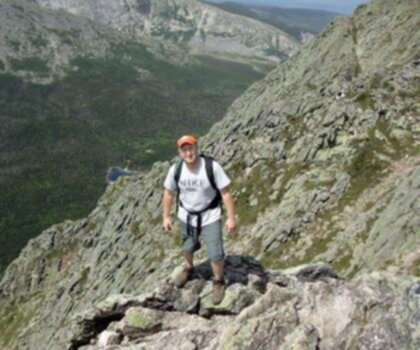
Chimney Peak, Maine
Maine Highlands
Katahdin
Maine Highlands

Little Spencer Mountain
Maine Highlands
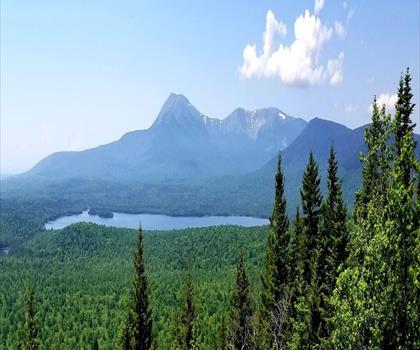
barnard mountain
Maine Highlands
Pleasant Pond Mountain
Maine Highlands
Katahdin Lake
Maine Highlands
Hiking near Bangor
0 trails to explore ~106 km away
We work hard to provide the most up-to-date and error-free data possible. If something seems incorrect, let us know! Your contribution helps the whole community.
Hikers' opinions
Be the first to review!
No hiker has shared their experience yet. Share your impressions and help other hikers!