

Ready to explore Mt Katahdin? Here's everything you need to know before you go!
Discover the trail
Oh no! We don't have any photos 😢
This trail hasn't been captured yet. Be the first to share your adventure!Trail description
Description
Mt. Katahdin stands as Maine's crown jewel, rising to 5,267 feet as the state's highest peak and the dramatic northern terminus of the Appalachian Trail. This massive granite mountain dominates Baxter State Park's landscape, offering some of the most challenging and rewarding hiking experiences in New England. With its exposed ridges, technical scrambles, and sweeping views across Maine's vast wilderness, Katahdin delivers an alpine adventure that feels worlds away from the typical northeastern hiking experience.
The mountain's name derives from the Penobscot word "Ktaadn," meaning "the greatest mountain," and it truly lives up to that designation. Katahdin's distinctive profile features multiple peaks connected by knife-edge ridges, with Baxter Peak serving as the highest point. The mountain rises dramatically from the surrounding forested plateau, creating an imposing presence that's visible from miles away and commands respect from anyone who approaches its slopes.
Trail Routes and Technical Terrain
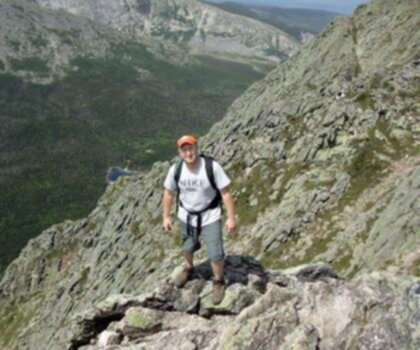
The most popular route to Baxter Peak follows the Appalachian Trail's final stretch via the Hunt Trail from Katahdin Stream Campground. This demanding climb gains over 4,000 feet of elevation through constantly changing terrain. You'll start in dense mixed forest, gradually transitioning through different ecological zones before breaking above treeline onto exposed granite slabs and challenging boulder fields. The final approach involves serious scrambling over large rocks and navigating steep, rocky sections that require both hands and feet.
For experienced hikers with a taste for adrenaline, the Knife Edge Trail provides one of the most thrilling ridge walks in the eastern United States. This narrow, exposed ridge connects Baxter Peak to Pamola Peak, featuring dramatic drop-offs on both sides. The traverse demands careful foot placement and a solid head for heights, as the ridge narrows to just a few feet wide in places with thousand-foot drops flanking either side. It's not for the faint of heart, but the experience is unforgettable.
Less technical alternatives include the Saddle Trail and Cathedral Trail, though "less technical" is relative on Katahdin. These routes still involve significant elevation gain and challenging sections but avoid some of the most exposed scrambling. The Saddle Trail offers a more gradual approach through beautiful alpine terrain, while the Cathedral Trail features interesting rock formations and constantly changing scenery that keeps the climb engaging.
Wildlife and Changing Ecosystems
The diverse ecosystems surrounding Katahdin support an impressive array of wildlife that changes as you gain elevation. Moose frequently browse in the wetlands and ponds throughout the park, particularly visible during early morning and evening hours when they emerge to feed. Black bears roam the forested slopes, making proper food storage absolutely essential for any visit. The area hosts numerous bird species, including peregrine falcons that nest on the mountain's dramatic cliffs and various raptors that soar along the ridges.
The vegetation transforms dramatically with elevation, creating distinct zones that provide constantly changing scenery. You'll start in mixed hardwood and coniferous forests at the base, transition through stunted spruce and fir near treeline, and finally encounter hardy alpine plants adapted to harsh conditions above 4,000 feet. Each zone offers its own unique character and challenges, making the climb feel like a journey through multiple ecosystems.
Planning Your Adventure
Baxter State Park maintains strict regulations to protect its wilderness character, making advance planning absolutely essential. The park limits daily access to popular trails, particularly during peak season from July through September. Reservations for day-use parking often fill up weeks or months in advance, especially for weekend dates. Check the park's website or call ahead to secure your spot and avoid the disappointment of being turned away at the gate.
Weather conditions on Katahdin can change with frightening speed and intensity. The exposed ridges and significant elevation create their own microclimate, with temperatures often running 20-30 degrees colder than at the base. High winds are common year-round, and clouds can roll in quickly, reducing visibility to near zero within minutes. The park frequently closes trails due to dangerous conditions, particularly the Knife Edge and other exposed routes where weather can quickly become life-threatening.
Trail conditions vary dramatically by season and recent weather. Snow can persist on the upper elevations well into June, and ice may form on exposed sections during spring and fall, making already challenging terrain downright dangerous. The hiking season typically runs from late May through October, with July and August offering the most reliable weather conditions, though these months also bring the largest crowds and most competitive parking reservations.
The Katahdin Experience
Plan for a full day on the mountain, with most routes requiring 8 to 12 hours round trip depending on your chosen path and hiking pace. The elevation gain of approximately 4,300 feet combined with technical terrain makes this a serious undertaking that demands good physical conditioning and previous mountain hiking experience. Many hikers underestimate the time and energy required, particularly for the descent, which can be harder on the knees and requires constant attention on loose rock and steep sections.
The panoramic views from Baxter Peak stretch across hundreds of square miles of unbroken forest, with countless lakes and ponds dotting the landscape far below. On clear days, you can see Mount Washington to the southwest and catch glimpses of the Atlantic Ocean to the southeast. The sense of wilderness is profound and humbling, with no visible development in any direction from the summit, offering a rare glimpse of what much of the northeast looked like centuries ago.
Water sources exist along most routes, but they become increasingly scarce above treeline. Carry significantly more water than you think you'll need, as the physical demands and potential for hot weather can lead to rapid dehydration. The rocky terrain is notoriously hard on feet and gear, so sturdy hiking boots with excellent ankle support aren't just recommended—they're essential for safely navigating the technical sections.
Weather protection remains crucial even on seemingly perfect days. Bring layers for warmth, quality rain gear for sudden storms, and comprehensive sun protection for the exposed ridges where UV reflection off granite can be intense. The combination of elevation, exposure, and northern latitude creates conditions that can quickly become dangerous for unprepared hikers, making proper gear selection a critical safety consideration.
Ready to go?
Everything you need to know before you goStarting Point
The best way to get to the start of the trails at Mt. Katahdin is to fly into Bangor, Maine and take a taxi or shuttle to Millinocket, Maine.
When?
How much?
- Hiking shoes Essential
- Layered clothing Essential
- Rain jacket Essential
- Trekking poles
- Headlamp
FAQ - Frequently asked questions
Everything you need to knowThe Essential Hiking Checklist
Everything you need for your next hike. Bilingual, printable, 1 page.
Download the free checklistSimilar hikes nearby
Discover other trails you might enjoy
Chimney Peak, Maine
Maine Highlands

Katahdin
Maine Highlands
Little Spencer Mountain
Maine Highlands
barnard mountain
Maine Highlands
Pleasant Pond Mountain
Maine Highlands
Katahdin Lake
Maine Highlands
Hiking near Bangor
0 trails to explore ~123 km away
We work hard to provide the most up-to-date and error-free data possible. If something seems incorrect, let us know! Your contribution helps the whole community.
Hikers' opinions